
- Puesto en BGG
- BGG #11.900
- Puntuación BGG
- 6,4
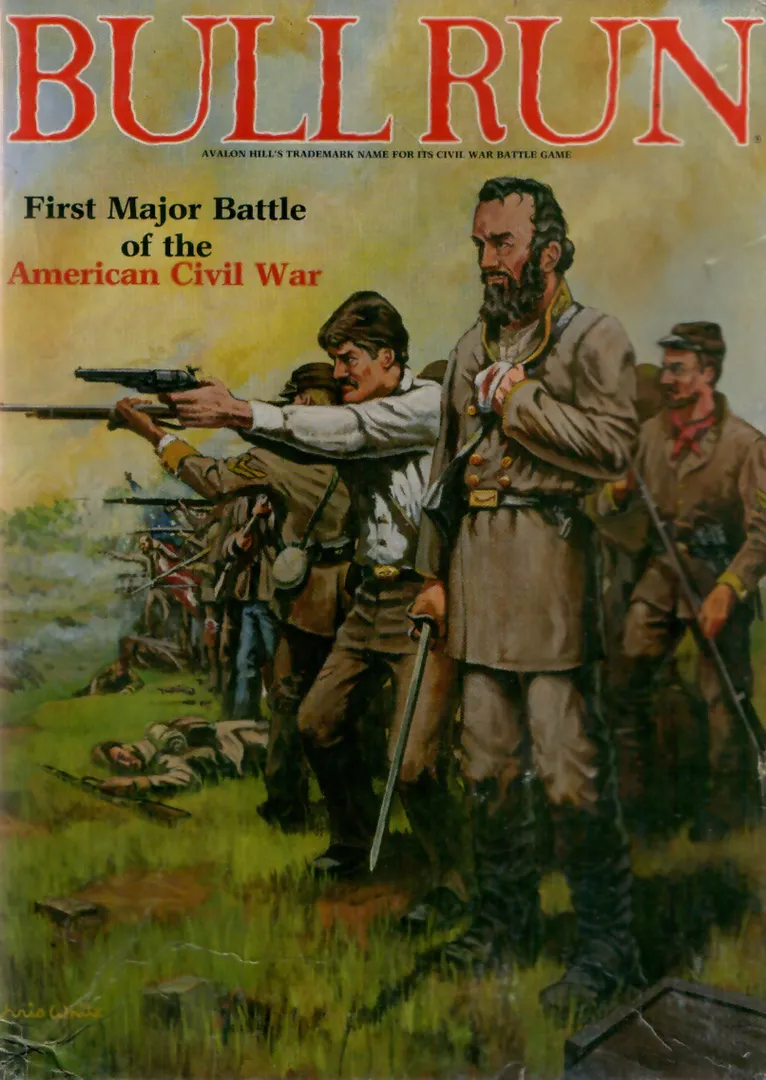
Bull Run: The First Major Battle of the American Civil War
- 2 jugadores
- 240 min
- Complejidad 2,8/5
- 1983
1995
Ayuda con las reglas de Antietam Campaign
Explicaciones claras de turnos, efectos de cartas y situaciones dudosas, con referencias a fuentes oficiales e historial de preguntas guardado.
Para 1 jugador
¿Qué quieres saber?
Las respuestas salen del reglamento oficial, con la página para comprobarlo.
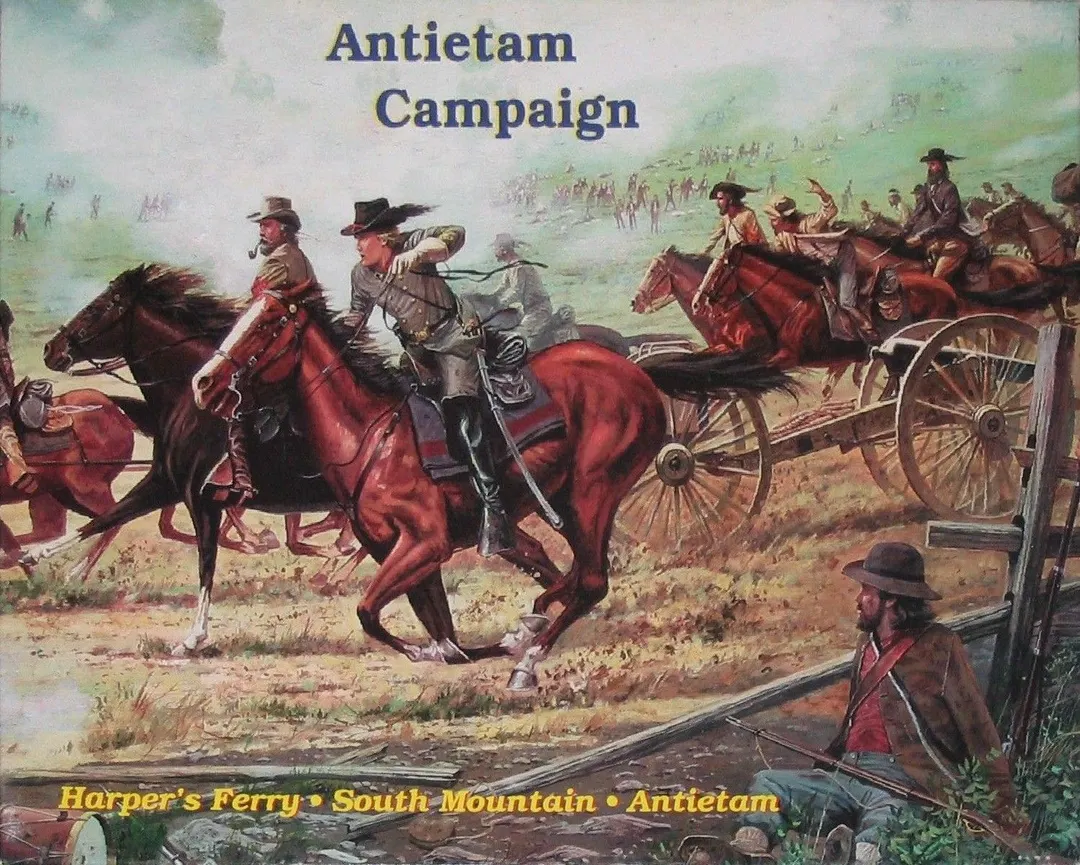
Antietam Campaign es un juego de mesa publicado en 1995 para 1–2 jugadores y a partir de 12 años. Fue diseñado por Charles L. Diamond y sus mecánicas principales son Dice Rolling, Variable Set-up y Grid Movement.
En inglés
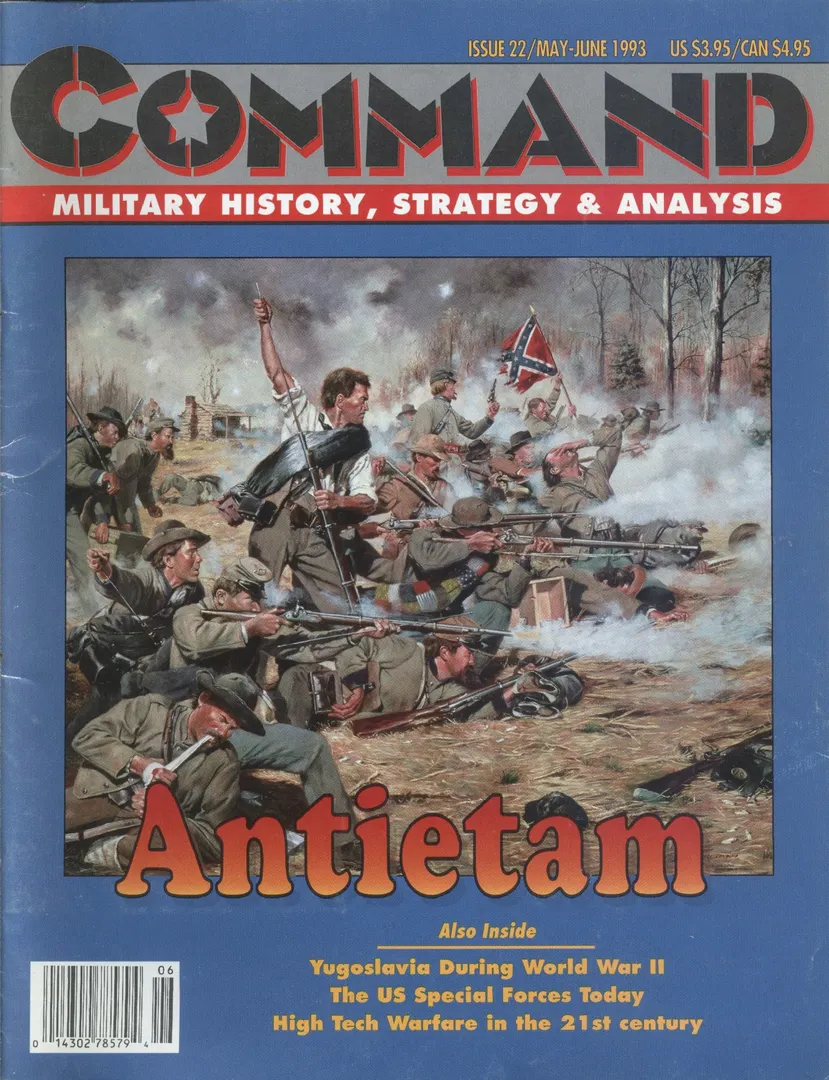
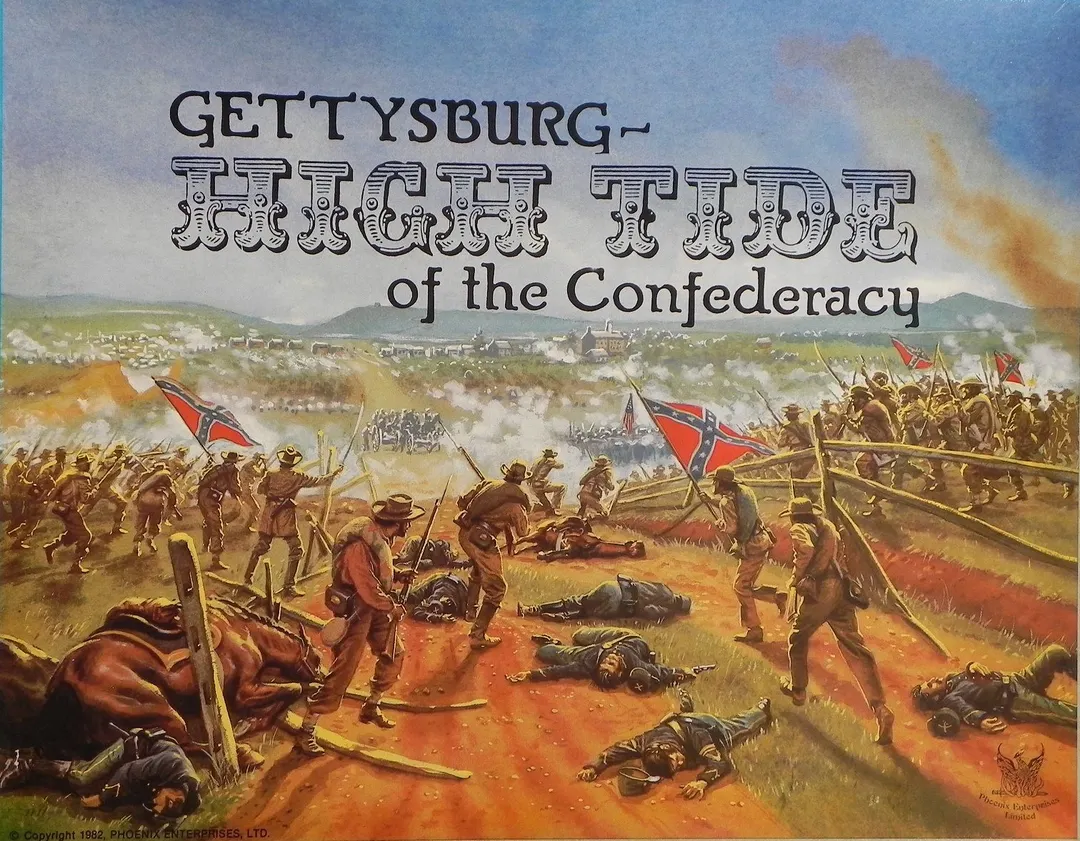
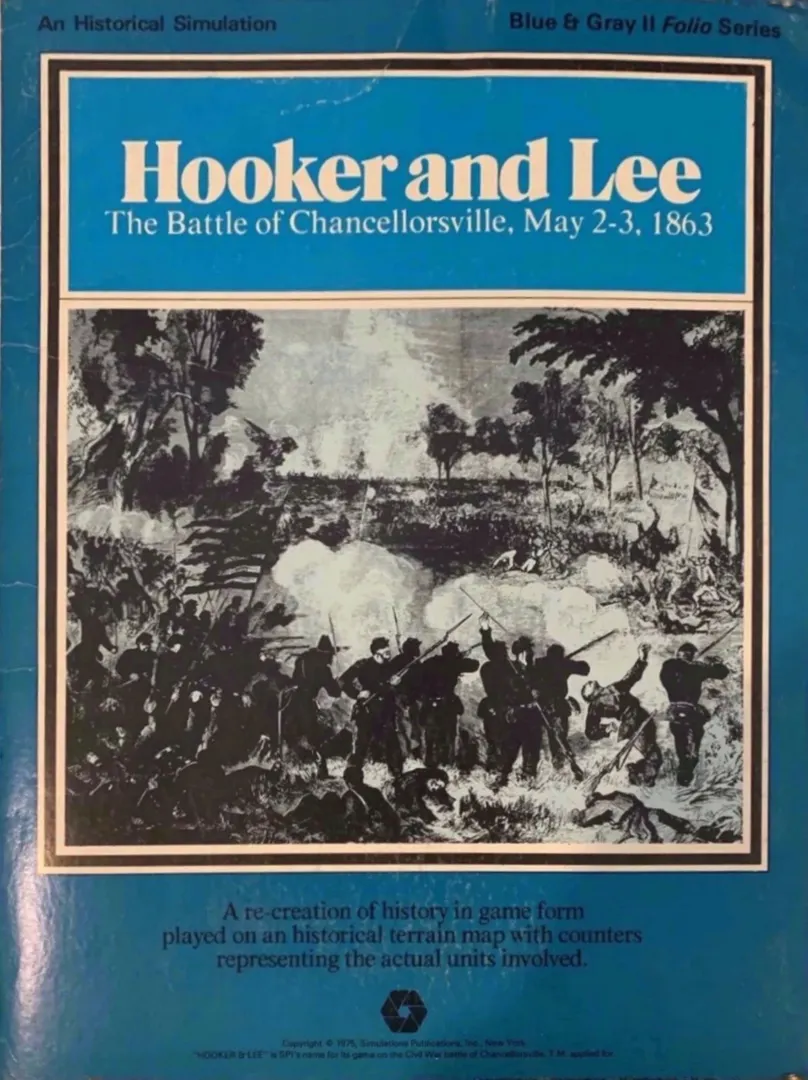
"Antietam Campaign" is a Grand Tactical hex-and-counter wargame for 2 players. With less than six pages of rules, it is very adept in it role as an introduction to gaming the American Civil War. The developer’s notes indicate that it is a modified installment of the Blue & Gray (SPI) system. The games comes with three scenarios, from nine to thirteen turns long. The hex scale is 300 yards. Each strength point represents 250 men. From the back of the box: ANTIETAM CAMPAIGN is the latest in a series of games based on Civil War campaigns. Scenarios cover the battles of Antietam, South Mountain, and Harper’s Ferry. All can be linked to re-create the entire campaign. Each unit and commander which fought or could have fought in the campaign is rated for its movement, combat and leadership capabilities. The Confederates are vastly outnumbered, but boast fine commanders such as Robert E. Lee, Thomas A. "Stonewall" Jackson and James Longstreet. The Union Army is fighting on its own ground and is much more powerful than the Confederate forces, but has difficulty bringing that might to bear. If they can, the war might end sooner. If the Confederates succeed, they might swing Maryland to the Southern side.
Según el catálogo, Antietam Campaign admite de 1 a 2 jugadores. Este intervalo corresponde al número de jugadores indicado por la editorial, así que el juego puede prepararse para cualquier grupo dentro de ese margen. La preparación, algunas reglas y la puntuación pueden variar según el número de jugadores; consulta la configuración exacta en el reglamento de tu edición.
El catálogo indica Antietam Campaign a partir de 12 años. Es la recomendación de la editorial y refleja la lectura necesaria, la complejidad de las reglas y las piezas pequeñas, no solo el tema. Los más pequeños a menudo pueden jugar con ayuda de un adulto: comprueba la edad recomendada en tu edición y la experiencia de tu grupo.
Antietam Campaign tiene una puntuación de complejidad de 2,2 sobre 5 según los jugadores de BoardGameGeek, lo que lo convierte en un juego algo ligero. La puntuación refleja cuánto conocimiento de reglas, planificación y toma de decisiones exige una partida típica. Los juegos exigentes requieren una explicación inicial más larga, así que conviene usar una guía de preparación.
Antietam Campaign pertenece a estas categorías: Wargame, Civil War y Post-Napoleonic. Sus mecánicas principales son Dice Rolling, Variable Set-up y Grid Movement. Las categorías describen el tema y la ambientación de un juego, mientras que las mecánicas describen lo que los jugadores hacen realmente en su turno. Cada mecánica lleva a una página del catálogo con juegos similares.
Los autores acreditados de Antietam Campaign son: Charles L. Diamond. Estos créditos proceden de los datos publicados del juego y nombran a las personas responsables de su diseño, no a ilustradores ni editoriales. Las páginas de autor de MeepleRules reúnen otros títulos de los mismos autores, algo útil cuando un juego te gusta y buscas otros parecidos.
El catálogo clasifica Antietam Campaign como juego base. Se juega por sí solo con los componentes de la caja y no requiere ningún otro título. Las expansiones, si existen, añaden contenido o reglas nuevas y aparecen por separado en el catálogo con un enlace a este juego base.