
- Puesto en BGG
- BGG #13.049
- Puntuación BGG
- 8,2
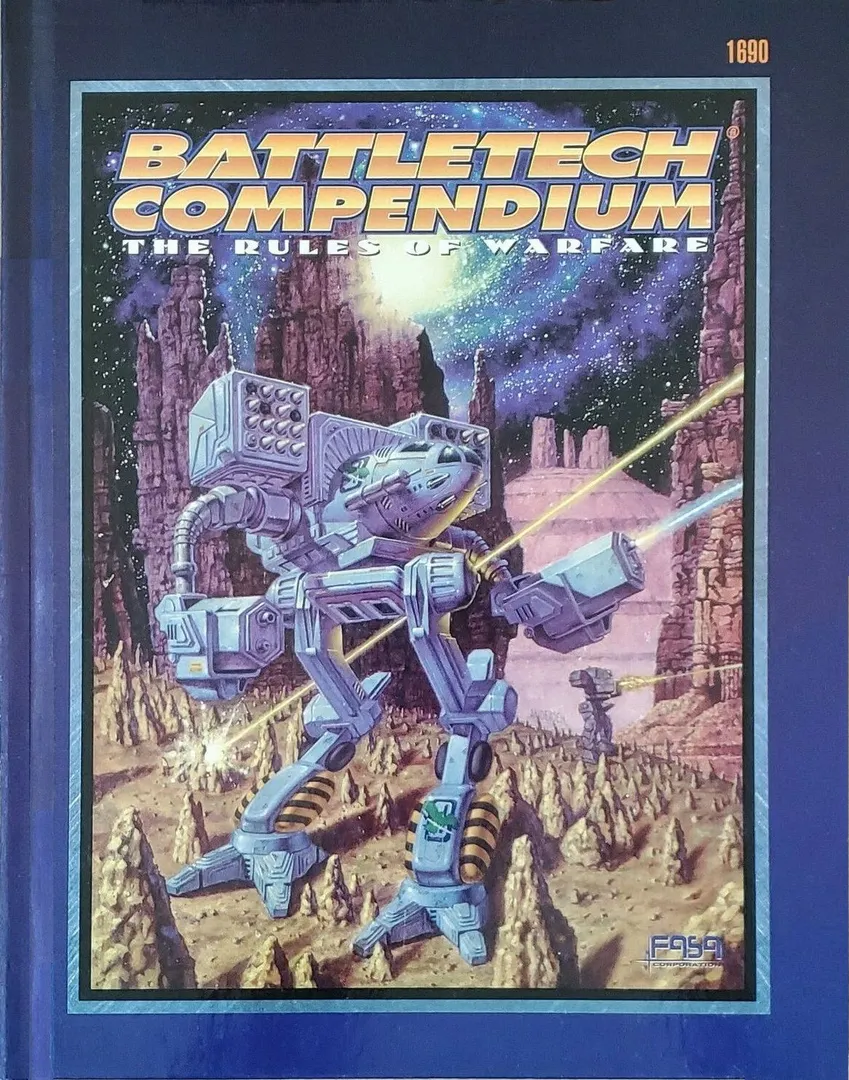
BattleTech Compendium: The Rules of Warfare
- 2–6 jugadores
- 120 min
- Complejidad 3,6/5
- 1994
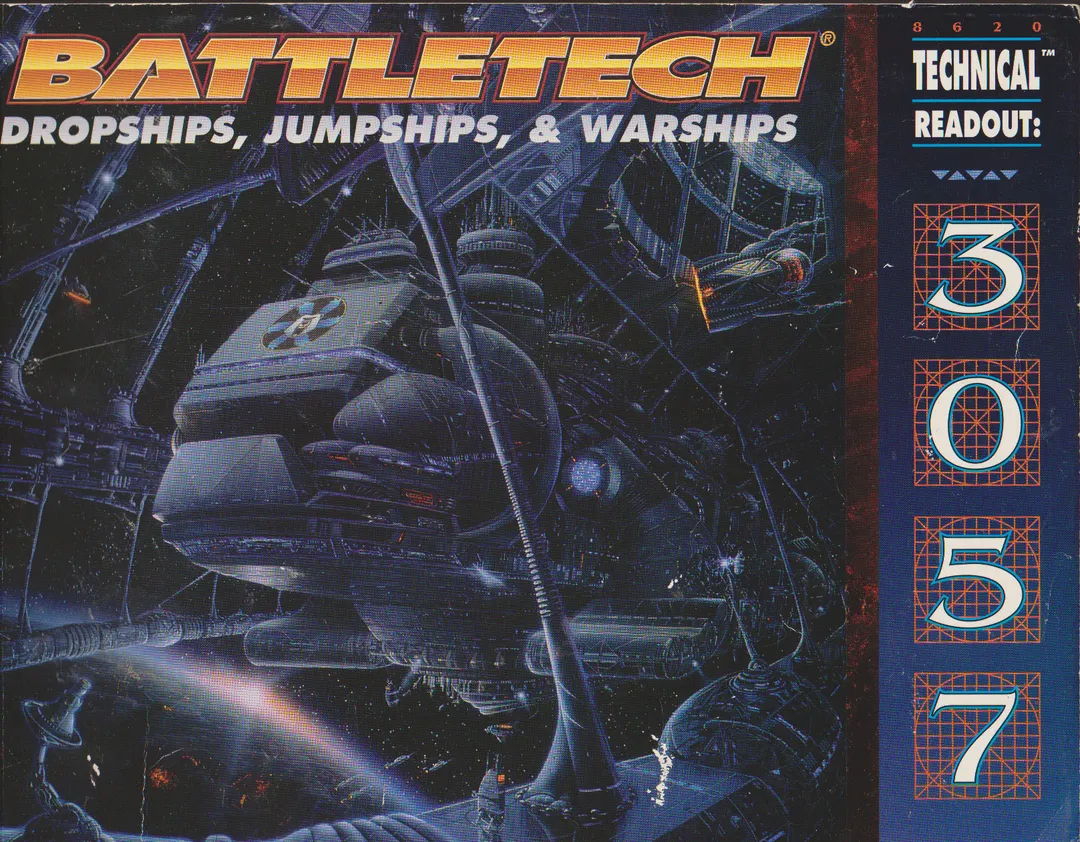
Ayuda con las reglas de BattleTech Technical Readout: 3057
Explicaciones claras de turnos, efectos de cartas y situaciones dudosas, con referencias a fuentes oficiales e historial de preguntas guardado.
¿Qué quieres saber?
Las respuestas salen del reglamento oficial, con la página para comprobarlo.
BattleTech Technical Readout: 3057 es una expansión de AeroTech: The BattleTech Game of Fighter Combat publicada en 1994 para 2–6 jugadores y con partidas de 240 minutos. Fue diseñado por Chris Hartford y sus mecánicas principales son Dice Rolling, Hexagon Grid y Simulation.


En inglés
From the back cover: In 3049, the first Clan forces appeared in the Inner Sphere. Armed with advanced technologies of a long-dead age, the warlike invaders unleashed a devastating blitzkrieg, capturing world after world until a total Clan victory seemed certain. Unable to match the enemy's superior 'Mechs, the Inner Sphere militaries increasingly turned to their combat fleets for relief, only to find the skies filled with deadly Clan DropShips, JumpShips, and WarShips - massive vessels not seen in the Inner Sphere for hundreds of years. Now the Great Houses have begun to rebuild their own armadas and stand ready to challenge the Clan invaders in the infinite battlefield of space. The BattleTech Technical Readout: 3057 contains descriptions, illustrations, and full BattleSpace statistics for the latest Inner Sphere and Clan DropShips, JumpShips, WarShips, small craft, aerospace fighters, OmniFighters, and conventional aircraft. BattleSpace rules clarifications and record sheets are also included. For use with BattleSpace.
Según el catálogo, BattleTech Technical Readout: 3057 admite de 2 a 6 jugadores. Este intervalo corresponde al número de jugadores indicado por la editorial, así que el juego puede prepararse para cualquier grupo dentro de ese margen. La preparación, algunas reglas y la puntuación pueden variar según el número de jugadores; consulta la configuración exacta en el reglamento de tu edición.
La duración indicada para BattleTech Technical Readout: 3057 es de 240 minutos, la estimación de la editorial para una partida completa. El tiempo real depende del grupo, del número de jugadores y del conocimiento de las reglas: las primeras partidas suelen alargarse y los grupos con experiencia terminan antes. La preparación y la explicación de las reglas no están incluidas.
BattleTech Technical Readout: 3057 tiene una puntuación de complejidad de 4,0 sobre 5 según los jugadores de BoardGameGeek, lo que lo convierte en un juego exigente. La puntuación refleja cuánto conocimiento de reglas, planificación y toma de decisiones exige una partida típica. Los juegos exigentes requieren una explicación inicial más larga, así que conviene usar una guía de preparación.
BattleTech Technical Readout: 3057 pertenece a estas categorías: Wargame, Miniatures y Science Fiction. Sus mecánicas principales son Dice Rolling, Hexagon Grid y Simulation. Las categorías describen el tema y la ambientación de un juego, mientras que las mecánicas describen lo que los jugadores hacen realmente en su turno. Cada mecánica lleva a una página del catálogo con juegos similares.
Los autores acreditados de BattleTech Technical Readout: 3057 son: Chris Hartford. Estos créditos proceden de los datos publicados del juego y nombran a las personas responsables de su diseño, no a ilustradores ni editoriales. Las páginas de autor de MeepleRules reúnen otros títulos de los mismos autores, algo útil cuando un juego te gusta y buscas otros parecidos.
El catálogo clasifica BattleTech Technical Readout: 3057 como expansión de AeroTech: The BattleTech Game of Fighter Combat. Las expansiones añaden contenido, reglas o escenarios al juego base y normalmente no se pueden jugar solas, así que necesitas AeroTech: The BattleTech Game of Fighter Combat para usarla. Comprueba que tu edición de AeroTech: The BattleTech Game of Fighter Combat sea compatible, porque algunas expansiones se revisaron entre ediciones.