
- Puesto en BGG
- BGG #1099
- Puntuación BGG
- 6,8
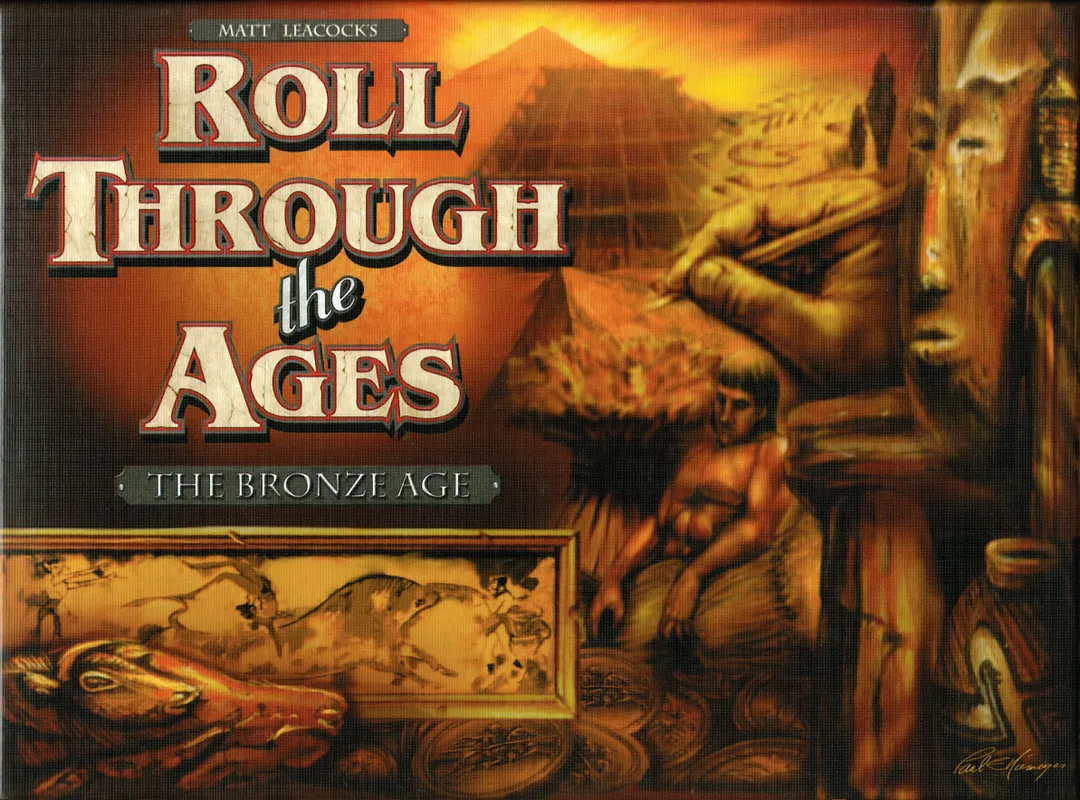
Roll Through the Ages: The Bronze Age
- 1–4 jugadores
- 30–45 min
- Complejidad 1,8/5
- 2008
2016
Ayuda con las reglas de Chariot Race
Explicaciones claras de turnos, efectos de cartas y situaciones dudosas, con referencias a fuentes oficiales e historial de preguntas guardado.
¿Qué quieres saber?
Las respuestas salen del reglamento oficial, con la página para comprobarlo.
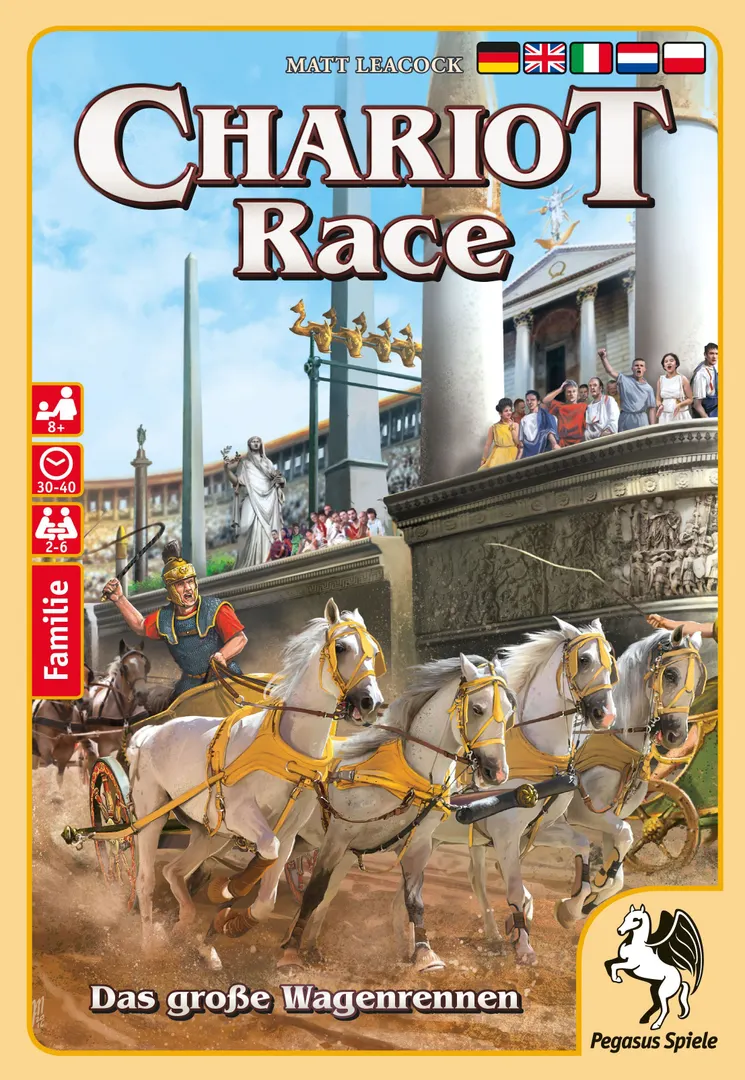
Chariot Race es un juego de mesa publicado en 2016 para 2–6 jugadores, con partidas de 15 a 45 minutos y a partir de 8 años. Fue diseñado por Matt Leacock y sus mecánicas principales son Race, Dice Rolling y Die Icon Resolution.




En inglés
Masses of people awaiting a spectacle… scorching afternoon heat… sweaty equine bodies nervously yanking their harnesses. There it is, the starting signal! Dashing ahead with your chariot, slowly at first, but quickly gaining speed… circling the spina in the center of the arena to complete the first lap. The next corner comes closer. Glancing back, one of the chariots is already far behind, and just ahead another chariot's speed is too high for the corner, sending the vehicle crashing into the wall and out of the race. Only a single chariot blocks your path to victory, so it's time to get uncivilized. Steadily you balance the javelin in your hand, waiting for the other charioteer to come into view…or should you just overtake him and throw caltrops in his path? In Chariot Race, players participate as charioteers in a great race in ancient Rome. Use the dice to complete two laps on the dusty arena's circuit and be the first to steer your chariot over the finish line. On a player's turn, if they have gained enough Favors of Fortuna, they can repair their chariot. Depending on the chariot's speed on the previous turn and its current condition, the initial speed is determined, which defines how many of the five dice will be rolled during the turn. Each face of the six-sided dice allows a different action: Gain new Favors, increase or decrease speed, change lanes, or attack opponents (either directly by hurling javelins or indirectly by dropping caltrops in their path). if the first roll is not satisfactory, the player may call on Fortuna to influence the dice, as long they have her favor. Once the result is set, the player moves their chariot forward according to the final speed they achieved and may then take actions against their rivals. However, breakneck racing and ramming are not without risk. If two chariots collide, they both take damage, and cornering at a wild gallop is not recommended. The further the safe speed is exceeded, the more damage is caused to the vehicle – which might fall apart in the middle of the arena if the driver is too careless, resulting in their elimination from the race.
Según el catálogo, Chariot Race admite de 2 a 6 jugadores. Este intervalo corresponde al número de jugadores indicado por la editorial, así que el juego puede prepararse para cualquier grupo dentro de ese margen. La preparación, algunas reglas y la puntuación pueden variar según el número de jugadores; consulta la configuración exacta en el reglamento de tu edición.
La duración indicada para Chariot Race es de 15 a 45 minutos, la estimación de la editorial para una partida completa. El tiempo real depende del grupo, del número de jugadores y del conocimiento de las reglas: las primeras partidas suelen alargarse y los grupos con experiencia terminan antes. La preparación y la explicación de las reglas no están incluidas.
El catálogo indica Chariot Race a partir de 8 años. Es la recomendación de la editorial y refleja la lectura necesaria, la complejidad de las reglas y las piezas pequeñas, no solo el tema. Los más pequeños a menudo pueden jugar con ayuda de un adulto: comprueba la edad recomendada en tu edición y la experiencia de tu grupo.
Chariot Race tiene una puntuación de complejidad de 1,8 sobre 5 según los jugadores de BoardGameGeek, lo que lo convierte en un juego ligero. La puntuación refleja cuánto conocimiento de reglas, planificación y toma de decisiones exige una partida típica. Los juegos exigentes requieren una explicación inicial más larga, así que conviene usar una guía de preparación.
Chariot Race pertenece a estas categorías: Ancient y Racing. Sus mecánicas principales son Race, Dice Rolling y Die Icon Resolution. Las categorías describen el tema y la ambientación de un juego, mientras que las mecánicas describen lo que los jugadores hacen realmente en su turno. Cada mecánica lleva a una página del catálogo con juegos similares.
Los autores acreditados de Chariot Race son: Matt Leacock. Estos créditos proceden de los datos publicados del juego y nombran a las personas responsables de su diseño, no a ilustradores ni editoriales. Las páginas de autor de MeepleRules reúnen otros títulos de los mismos autores, algo útil cuando un juego te gusta y buscas otros parecidos.
El catálogo clasifica Chariot Race como juego base. Se juega por sí solo con los componentes de la caja y no requiere ningún otro título. Las expansiones, si existen, añaden contenido o reglas nuevas y aparecen por separado en el catálogo con un enlace a este juego base.