

- Puesto en BGG
- BGG #1423
- Puntuación BGG
- 7,5
Ambush!
- 1 jugador
- 180–240 min
- Complejidad 3,3/5
- 1983
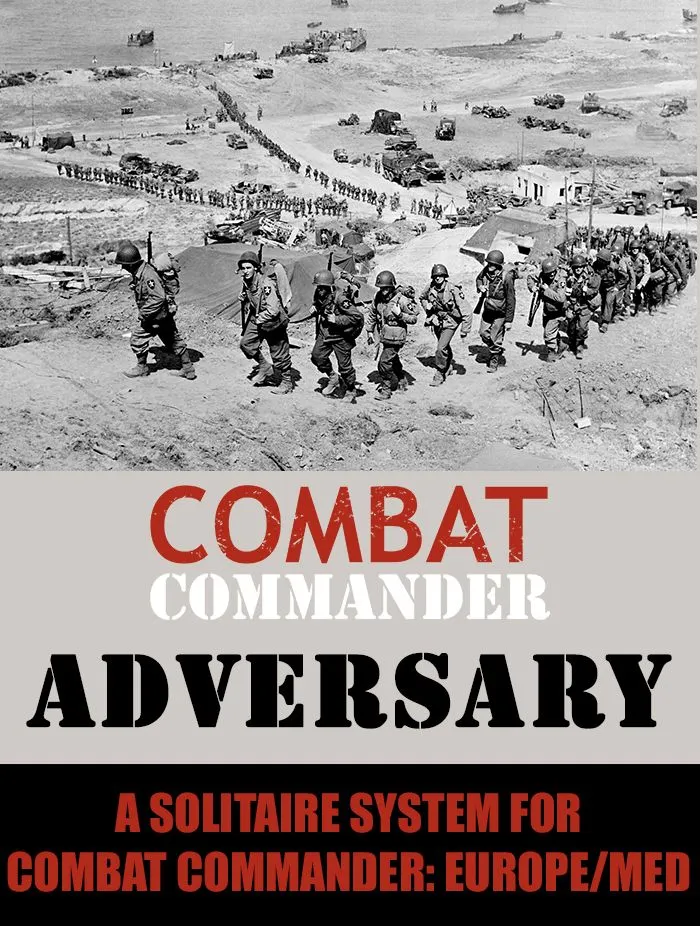
Expansión de Combat Commander: Europe
Ayuda con las reglas de Combat Commander: Adversary
Explicaciones claras de turnos, efectos de cartas y situaciones dudosas, con referencias a fuentes oficiales e historial de preguntas guardado.
¿Qué quieres saber?
Las respuestas salen del reglamento oficial, con la página para comprobarlo.
Combat Commander: Adversary es una expansión de Combat Commander: Europe para 1 jugador, con partidas de 60 a 180 minutos y a partir de 12 años. Fue diseñado por Francis K. Lalumiere y sus mecánicas principales son Grid Movement, Hexagon Grid y Simulation.
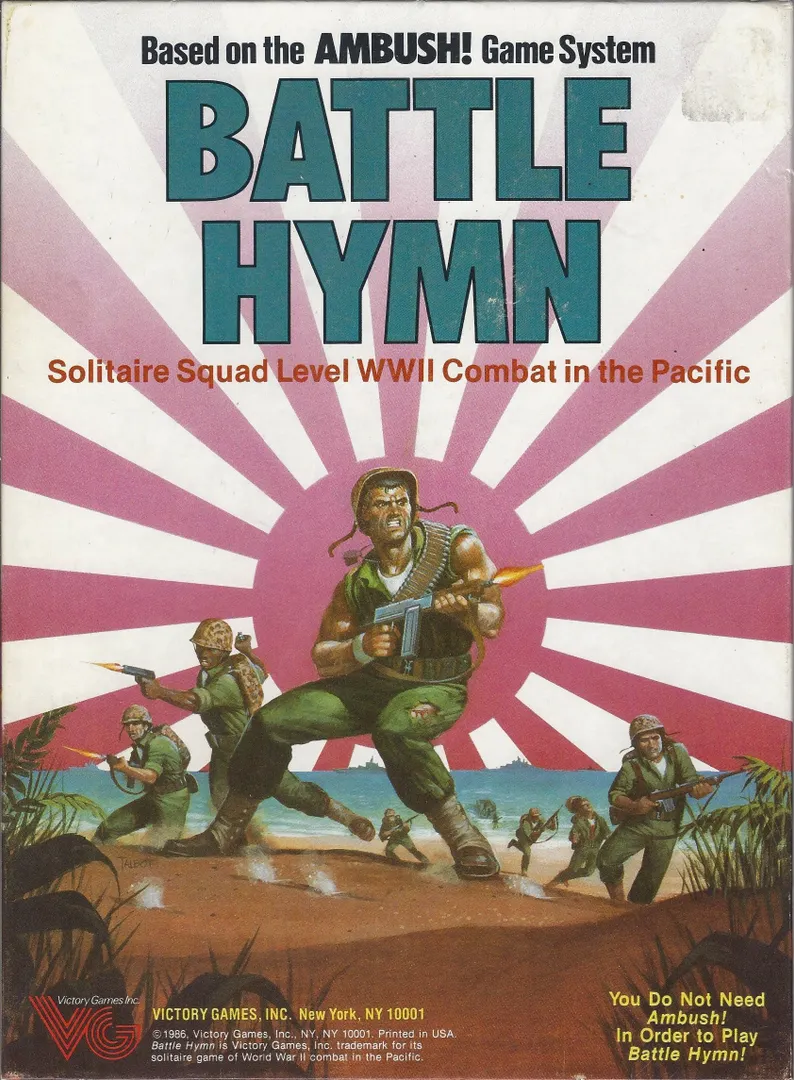



En inglés
Combat Commander: Adversary is a solitaire system that allows a human player to fight their way through any of the 24 scenarios provided with the 20th Anniversary Edition of Combat Commander against a completely automated opponent – the adversary. (The adversary works just as well with all previous editions of CC:Europe and CC:Mediterranean.) Through a combination of control logic and guided randomness, the adversary sets up its own forces (on any map you throw at it), activates units, determines targets, advances into melees, rushes towards objectives, and certainly won’t hesitate to interrupt your turn with opportunity fire or the play of an inconvenient wire. The system was designed with a care towards maintaining the ebb and flow – the feel – of a typical CC engagement: simple action resolutions and quick turnarounds, with surprises galore. The adversary acts logically, implementing tactics that produce results without turning into a predictable automaton. Underestimate that guy at your own peril. —description from the designer
Según el catálogo, Combat Commander: Adversary admite 1 jugador. Es el número de jugadores indicado por la editorial, así que el juego está diseñado exactamente para esa cantidad de participantes. Las variantes para otros tamaños de grupo, si existen, se describen en el reglamento de tu edición; consúltalo antes de preparar otra configuración.
La duración indicada para Combat Commander: Adversary es de 60 a 180 minutos, la estimación de la editorial para una partida completa. El tiempo real depende del grupo, del número de jugadores y del conocimiento de las reglas: las primeras partidas suelen alargarse y los grupos con experiencia terminan antes. La preparación y la explicación de las reglas no están incluidas.
El catálogo indica Combat Commander: Adversary a partir de 12 años. Es la recomendación de la editorial y refleja la lectura necesaria, la complejidad de las reglas y las piezas pequeñas, no solo el tema. Los más pequeños a menudo pueden jugar con ayuda de un adulto: comprueba la edad recomendada en tu edición y la experiencia de tu grupo.
Combat Commander: Adversary pertenece a estas categorías: Wargame, World War II y Expansion for Base-game. Sus mecánicas principales son Grid Movement, Hexagon Grid y Simulation. Las categorías describen el tema y la ambientación de un juego, mientras que las mecánicas describen lo que los jugadores hacen realmente en su turno. Cada mecánica lleva a una página del catálogo con juegos similares.
Los autores acreditados de Combat Commander: Adversary son: Francis K. Lalumiere. Estos créditos proceden de los datos publicados del juego y nombran a las personas responsables de su diseño, no a ilustradores ni editoriales. Las páginas de autor de MeepleRules reúnen otros títulos de los mismos autores, algo útil cuando un juego te gusta y buscas otros parecidos.
El catálogo clasifica Combat Commander: Adversary como expansión de Combat Commander: Europe. Las expansiones añaden contenido, reglas o escenarios al juego base y normalmente no se pueden jugar solas, así que necesitas Combat Commander: Europe para usarla. Comprueba que tu edición de Combat Commander: Europe sea compatible, porque algunas expansiones se revisaron entre ediciones.