
- Puesto en BGG
- BGG #30.763
- Puntuación BGG
- 4,6
Zola
- 2 jugadores
- 20–60 min
- Complejidad 1,8/5
- 2021
2022
Ayuda con las reglas de Diablo
Explicaciones claras de turnos, efectos de cartas y situaciones dudosas, con referencias a fuentes oficiales e historial de preguntas guardado.
Para 2 jugadores
¿Qué quieres saber?
Las respuestas salen del reglamento oficial, con la página para comprobarlo.
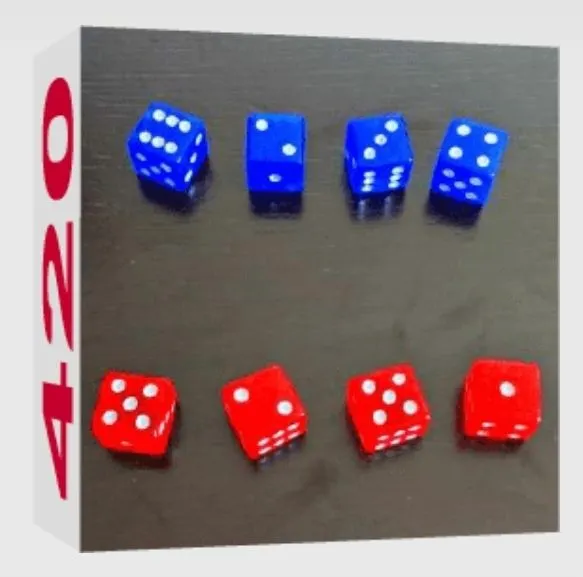
Diablo es un juego de mesa publicado en 2022 para 2 jugadores, con partidas de 20 a 60 minutos y a partir de 5 años. Fue diseñado por Mark Steere y sus mecánicas principales son Dice Rolling, Square Grid y Pattern Movement.
En inglés
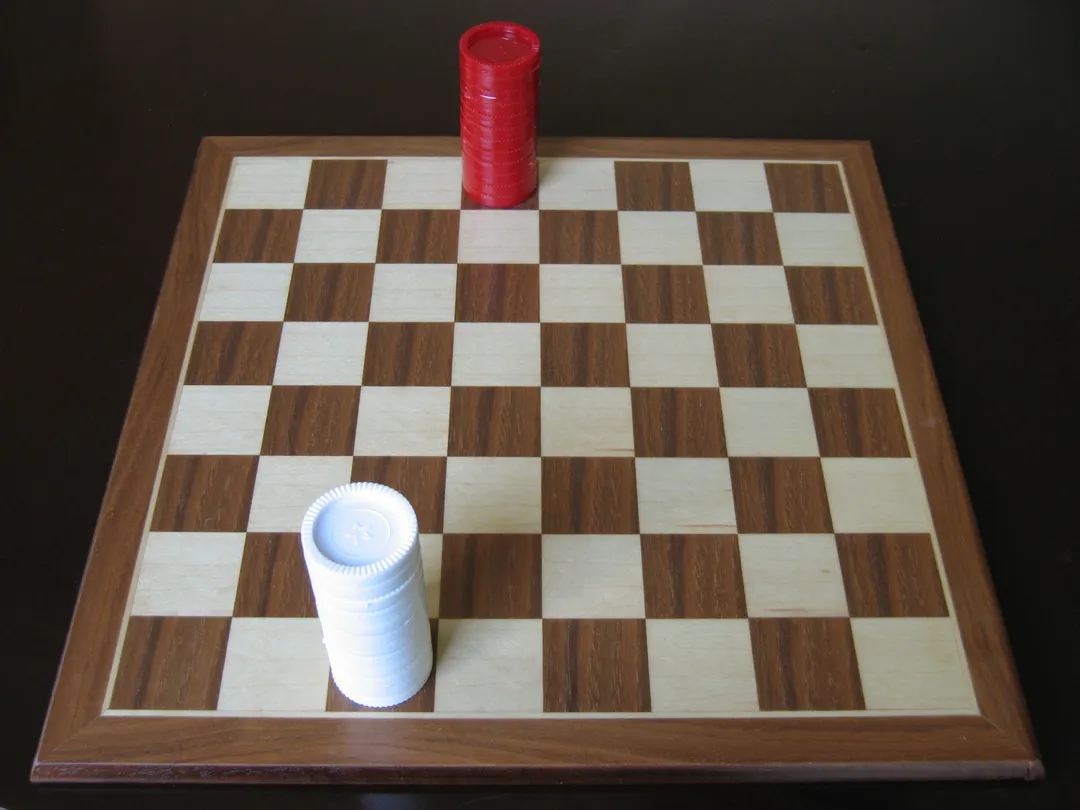
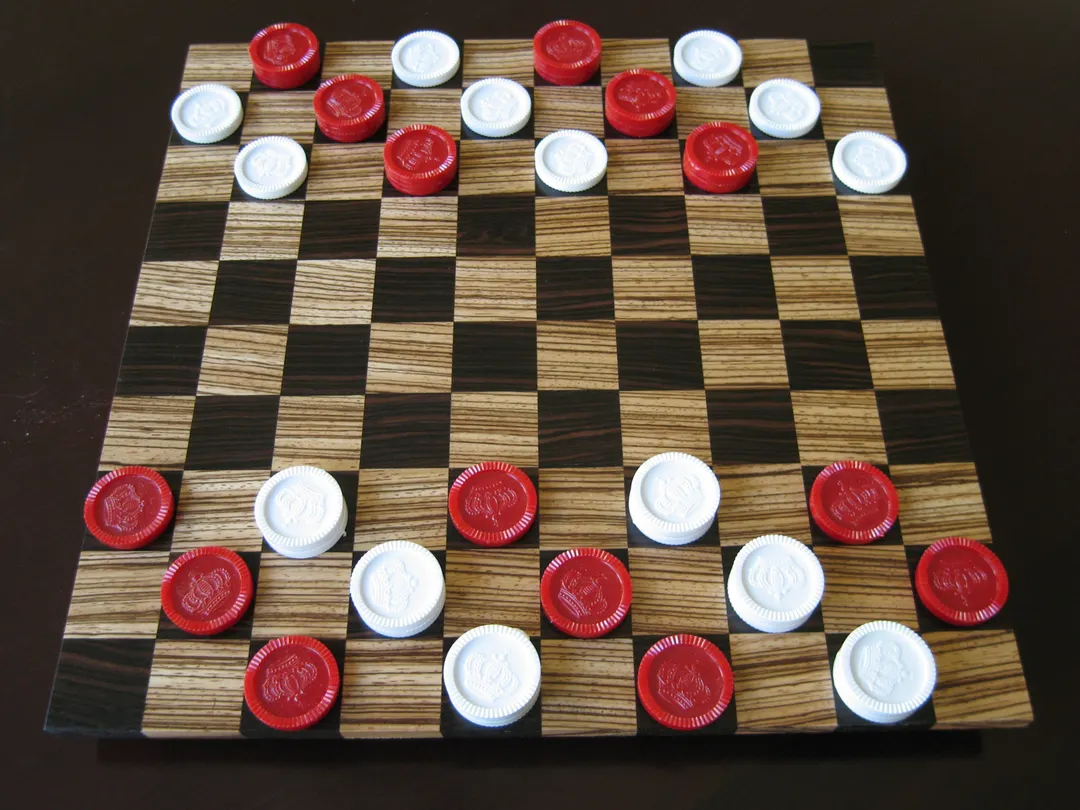
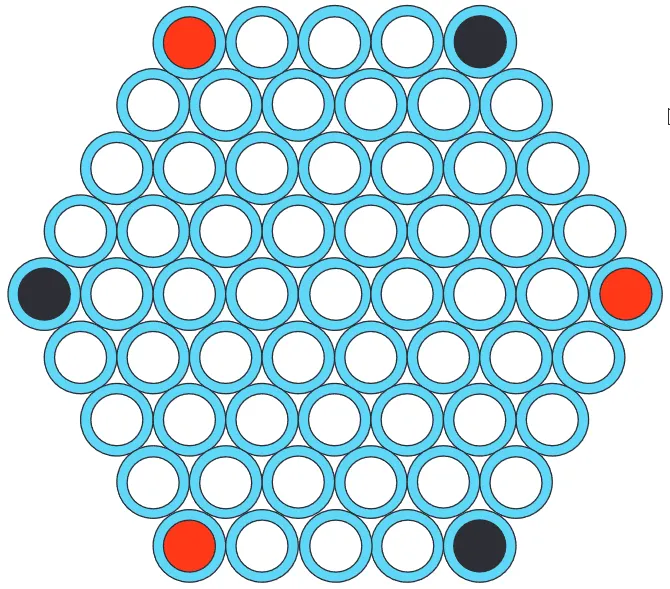
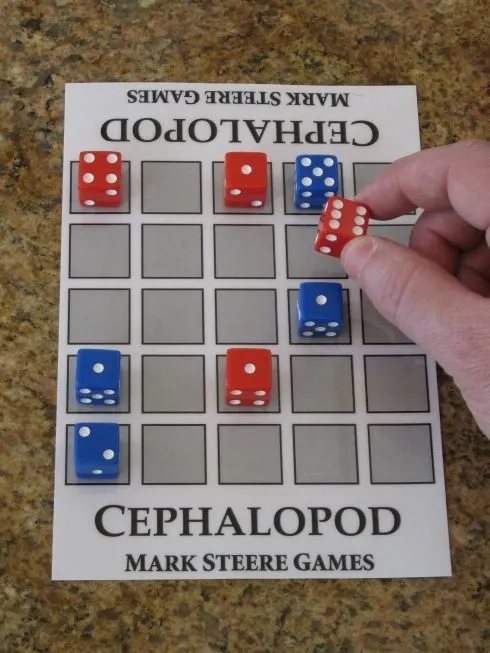
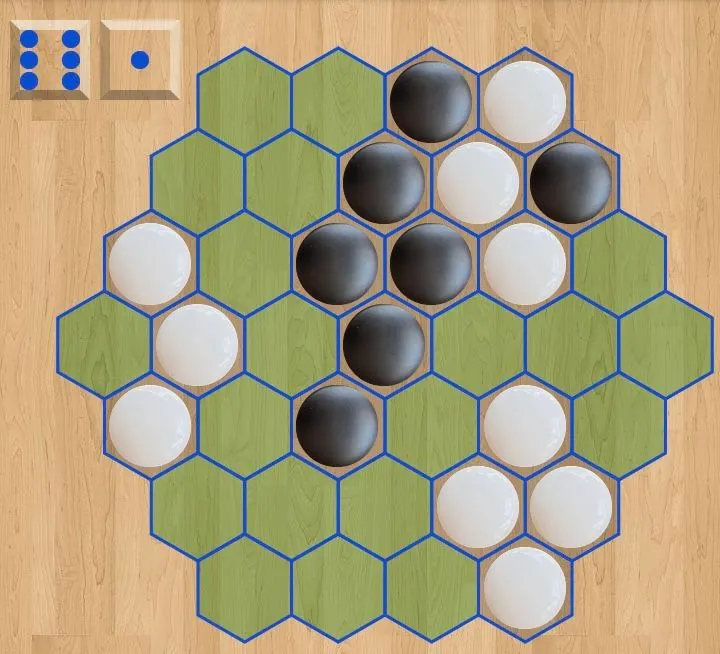
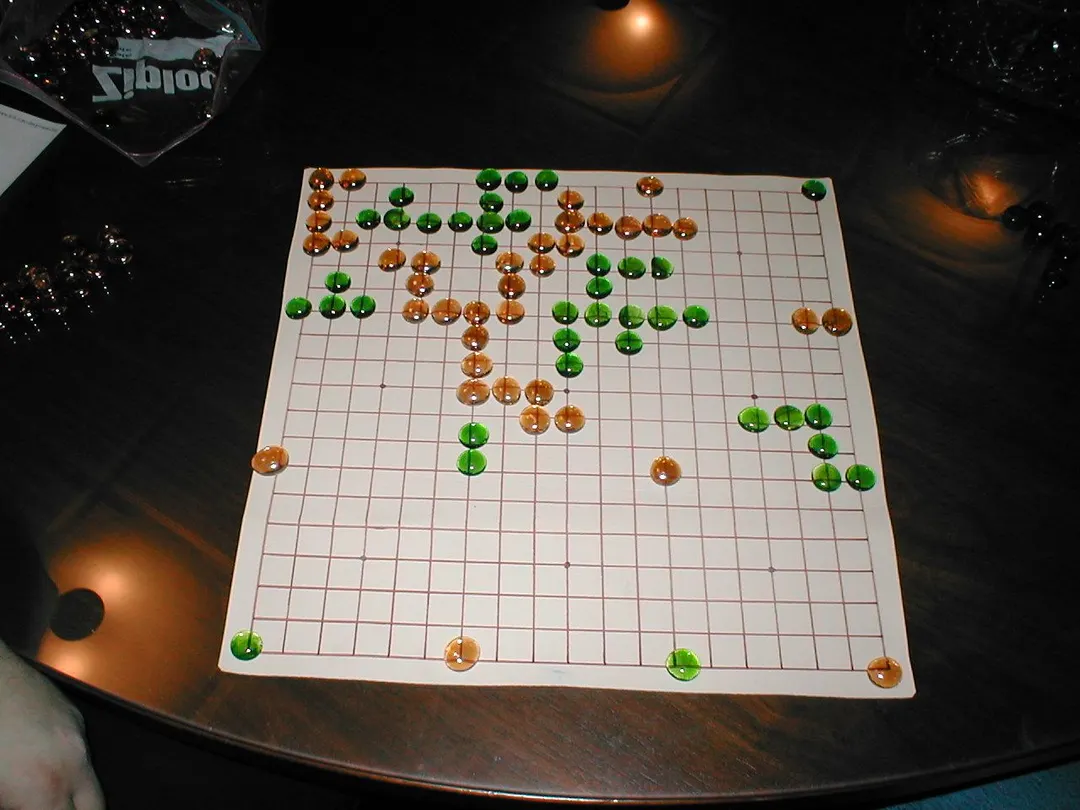
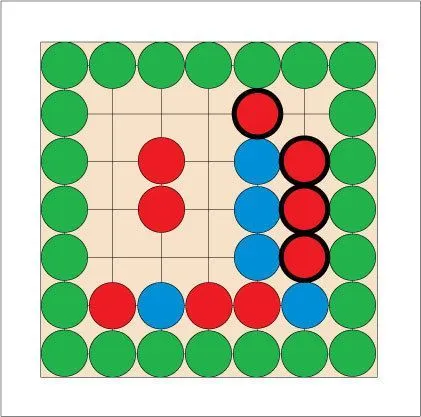
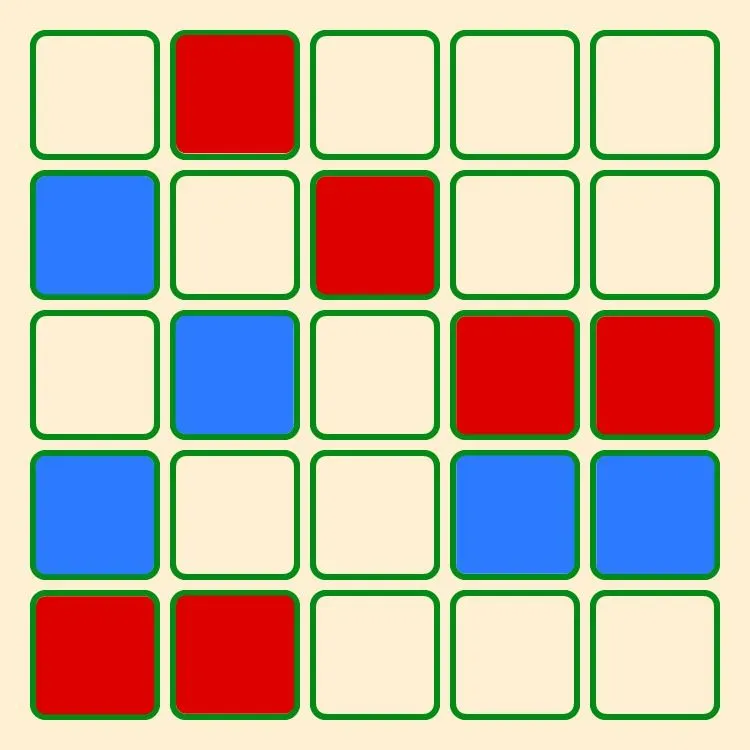
Diablo is a two-player game played with two dice and black and green checkers on a checkerboard of any even size. The number of faces on each of the dice is equal to half the length of the board. For example, if playing on a 6x6 board, the dice will be 3-sided. The board is initially populated with stacks of height one in a checkered pattern. The two players, Black and Green, take turns rolling the dice and moving their own stacks. All moves are horizontal or vertical. Only entire stacks can be moved. Stacks cannot be subdivided. Black goes first. Player turn After rolling the dice, you will take two actions. Possible action combinations: Move two stacks (or the same stack twice), each move driven by a different die. The two moves can be of the same type or different types (subject to restrictions explained in ACTION TYPES). Move one stack, driven by one of the dice, and remove one of your checkers from the board (subject to restrictions explained in ACTION TYPES). Remove two of your checkers from the board (subject to restrictions explained in ACTION TYPES). Action types Merging move. You may move one of your stacks onto another of your stacks at a distance indicated by one of the dice, merging the two stacks into one monocolored stack. Capturing move. You may capture by replacement an enemy stack of equal or smaller size at a distance indicated by one of the dice. Move to unoccupied square. You may move a stack to an unoccupied square at a distance indicated by one of the dice ONLY FOR ONE OF YOUR TWO ACTIONS. You can’t make two moves to unoccupied squares during your turn. Remove a checker. At the outset of your turn, if you are able to make any kind of a move (merge, capture, or move to unoccupied square) you must do so. If not, you must remove any two of your checkers from the board, concluding your turn. If you began your turn with a move to an unoccupied square, then you must finish your turn with a merge or capture if you can. If not, you must remove one of your checkers, concluding your turn. If you began your turn with a merge or capture, then you must finish your turn with any kind of a move (merge, capture, or move to an unoccupied square) if you can. If not, you must remove one of your checkers, concluding your turn. Balancing rule Black, on his first turn, plays only one of the two rolled dice, of his choosing. Object of the game A player wins when all of his opponent’s checkers have been removed from the board.
Según el catálogo, Diablo admite 2 jugadores. Es el número de jugadores indicado por la editorial, así que el juego está diseñado exactamente para esa cantidad de participantes. Las variantes para otros tamaños de grupo, si existen, se describen en el reglamento de tu edición; consúltalo antes de preparar otra configuración.
La duración indicada para Diablo es de 20 a 60 minutos, la estimación de la editorial para una partida completa. El tiempo real depende del grupo, del número de jugadores y del conocimiento de las reglas: las primeras partidas suelen alargarse y los grupos con experiencia terminan antes. La preparación y la explicación de las reglas no están incluidas.
El catálogo indica Diablo a partir de 5 años. Es la recomendación de la editorial y refleja la lectura necesaria, la complejidad de las reglas y las piezas pequeñas, no solo el tema. Los más pequeños a menudo pueden jugar con ayuda de un adulto: comprueba la edad recomendada en tu edición y la experiencia de tu grupo.
Diablo pertenece a estas categorías: Dice y Abstract Strategy. Sus mecánicas principales son Dice Rolling, Square Grid y Pattern Movement. Las categorías describen el tema y la ambientación de un juego, mientras que las mecánicas describen lo que los jugadores hacen realmente en su turno. Cada mecánica lleva a una página del catálogo con juegos similares.
Los autores acreditados de Diablo son: Mark Steere. Estos créditos proceden de los datos publicados del juego y nombran a las personas responsables de su diseño, no a ilustradores ni editoriales. Las páginas de autor de MeepleRules reúnen otros títulos de los mismos autores, algo útil cuando un juego te gusta y buscas otros parecidos.
El catálogo clasifica Diablo como juego base. Se juega por sí solo con los componentes de la caja y no requiere ningún otro título. Las expansiones, si existen, añaden contenido o reglas nuevas y aparecen por separado en el catálogo con un enlace a este juego base.