
- Puesto en BGG
- BGG #6107
- Puntuación BGG
- 8,4
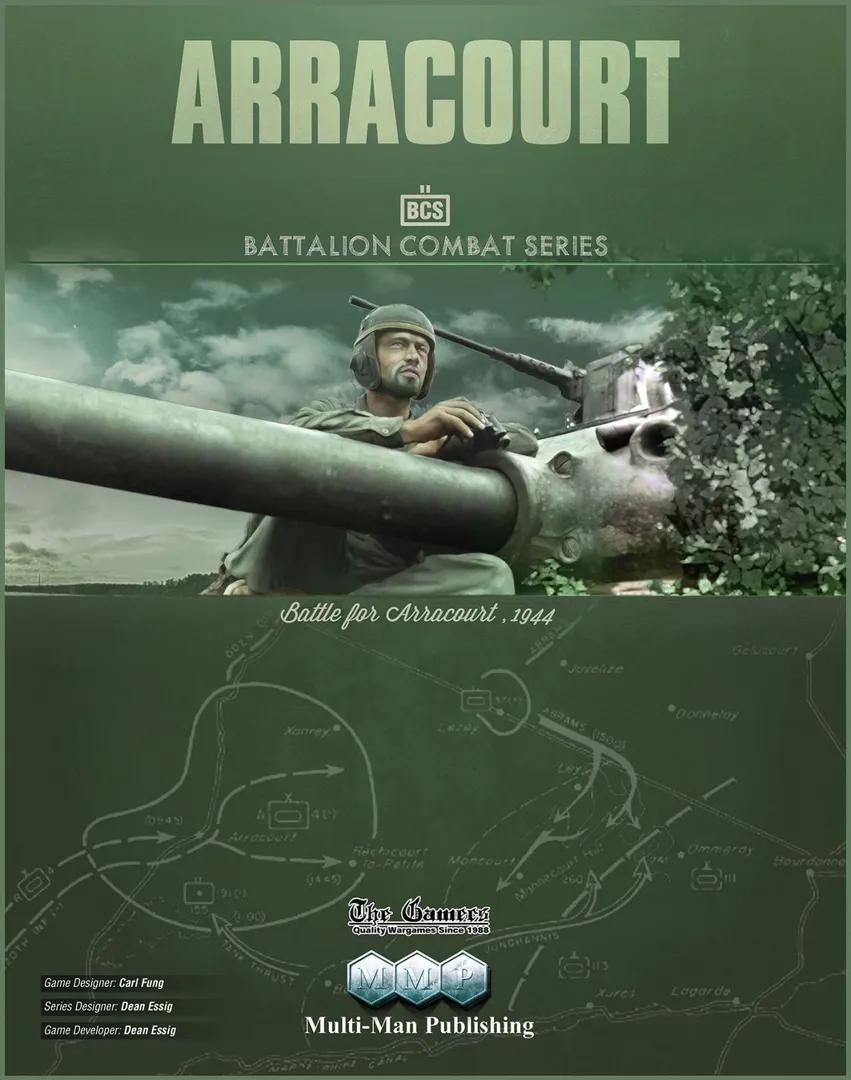
Arracourt
- 2 jugadores
- 120 min
- Complejidad 3,9/5
- 2022
2020
Ayuda con las reglas de Iron Curtain: Central Europe, 1945-1989
Explicaciones claras de turnos, efectos de cartas y situaciones dudosas, con referencias a fuentes oficiales e historial de preguntas guardado.
Para 1 jugador
¿Qué quieres saber?
Las respuestas salen del reglamento oficial, con la página para comprobarlo.
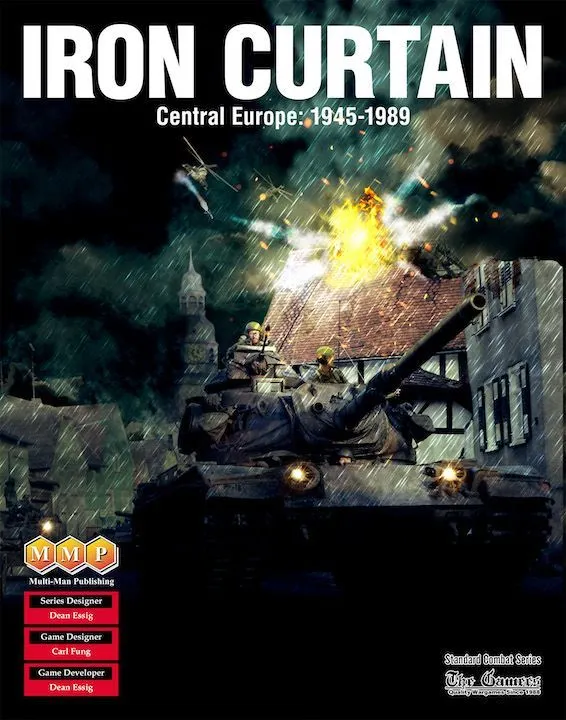
Iron Curtain: Central Europe, 1945-1989 es un juego de mesa publicado en 2020 para 1–2 jugadores. Fue diseñado por Dean Essig y Carl Fung y sus mecánicas principales son Dice Rolling y Hexagon Grid.



En inglés
Iron Curtain: Central Front, 1945-1989 is the 23rd game in the Standard Combat Series (SCS), and covers the potential "hot" war erupting between the East and the West at the flashpoint along the intra-German border established at the close of World War II. Scenarios examine the forces available over the entire 44-year period with snapshots in 1945, 1962, 1975, 1983, and 1989. The resulting force ratios not only change with weapon and OOB evolution but as a product of the tumultuous effects of the culture. In addition to the typical Warsaw Pact-invades-NATO situations, the game provides for three NATO offensive scenarios. The 1945 Churchill plan to continue WW2 before the Soviets could consolidate their gains (Operation UNTHINKABLE), the mishaps of 1983 that could have launched an offensive in error, and allowing the West to capitalize on the dissolution of the Warsaw Pact nations in 1989. Every game is different because while the units set up in their peace-time housing areas, each side gets an unpredictable amount of time to "run up" before the war actually begins while tension rises. The result will allow each side to move to deployment areas (or not) as the fates decree with all combinations of total surprise to total preparedness possible between them. Iron Curtain is a fast-paced game of what is assumed to be a month of intensive combat where both sides race to fulfill their objectives before a cease-fire ends hostilities. All the developments of modern warfare over this epoch are included: nuclear and chemical warfare, modern near-nuclear aviation effects, airmobile forces, attack helicopters, airborne mech forces, amphibious operations, and even the ill-fated Pentomic Division structure. It is your turn to decide the fate of Europe. Scenarios (all are a maximum of 10 turns): • Hot Time in the Town of Berlin—1945 Western Allies Offensive • Don’t Fence Me In—1945 Soviet Offensive • If I Had a Hammer—1962 Soviet Offensive • Bohemian Rhapsody—1975 Soviet Offensive • Eye of the Tiger—1983 Soviet Offensive • It’s a Mistake—1983 NATO Offensive • Everybody Wants to Rule the World—1989 Soviet Offensive • We Didn’t Start the Fire—1989 NATO Offensive Game Inventory: • One 8-page Standard Combat Series rulebook (Version 1.8) • One 52-page Iron Curtain game-specific rulebook • one 22" x 34" full color mapsheet • Four dual-side printed countersheets (1120 1/2" counters) • two full-color Player Displays • two full-color 2-sided Game Charts & Tables • box and 6-sided dice
Según el catálogo, Iron Curtain: Central Europe, 1945-1989 admite de 1 a 2 jugadores. Este intervalo corresponde al número de jugadores indicado por la editorial, así que el juego puede prepararse para cualquier grupo dentro de ese margen. La preparación, algunas reglas y la puntuación pueden variar según el número de jugadores; consulta la configuración exacta en el reglamento de tu edición.
Iron Curtain: Central Europe, 1945-1989 tiene una puntuación de complejidad de 2,7 sobre 5 según los jugadores de BoardGameGeek, lo que lo convierte en un juego algo ligero. La puntuación refleja cuánto conocimiento de reglas, planificación y toma de decisiones exige una partida típica. Los juegos exigentes requieren una explicación inicial más larga, así que conviene usar una guía de preparación.
Iron Curtain: Central Europe, 1945-1989 pertenece a estas categorías: Wargame y Modern Warfare. Sus mecánicas principales son Dice Rolling y Hexagon Grid. Las categorías describen el tema y la ambientación de un juego, mientras que las mecánicas describen lo que los jugadores hacen realmente en su turno. Cada mecánica lleva a una página del catálogo con juegos similares.
Los autores acreditados de Iron Curtain: Central Europe, 1945-1989 son: Dean Essig y Carl Fung. Estos créditos proceden de los datos publicados del juego y nombran a las personas responsables de su diseño, no a ilustradores ni editoriales. Las páginas de autor de MeepleRules reúnen otros títulos de los mismos autores, algo útil cuando un juego te gusta y buscas otros parecidos.
El catálogo clasifica Iron Curtain: Central Europe, 1945-1989 como juego base. Se juega por sí solo con los componentes de la caja y no requiere ningún otro título. Las expansiones, si existen, añaden contenido o reglas nuevas y aparecen por separado en el catálogo con un enlace a este juego base.