
- Puesto en BGG
- BGG #8495
- Puntuación BGG
- 7,8
Dead Man's Hand
- 2–6 jugadores
- 45 min
- Complejidad 2,1/5
- 2013
1913
Ayuda con las reglas de Little Wars
Explicaciones claras de turnos, efectos de cartas y situaciones dudosas, con referencias a fuentes oficiales e historial de preguntas guardado.
Para 2 jugadores
¿Qué quieres saber?
Las respuestas salen del reglamento oficial, con la página para comprobarlo.
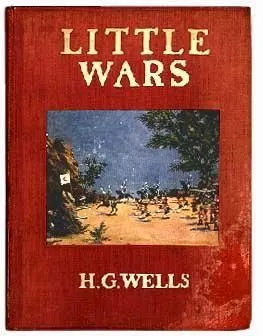
Little Wars es un juego de mesa publicado en 1913 para 2–4 jugadores, con partidas de 90 a 180 minutos y a partir de 12 años. Fue diseñado por H. G. Wells y sus mecánicas principales son Simulation y Measurement Movement.
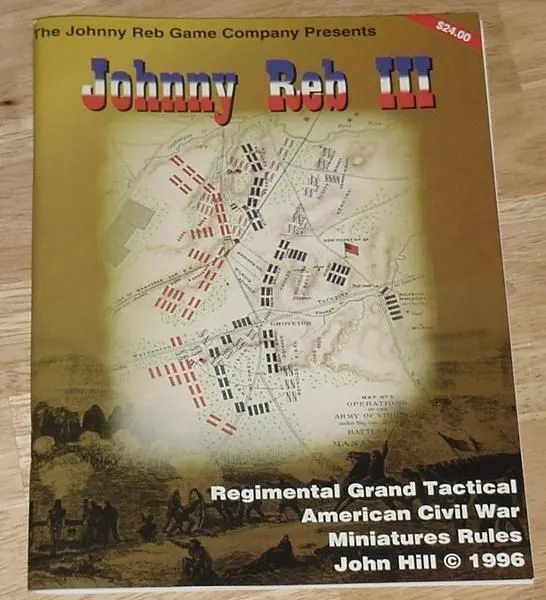



En inglés
Little Wars was first published in 1913, but has been published many times since then, including editions from MacMillan publishing and Dover Press. The rules portion of the book can be read for free online. The full book includes a fairly extensive history of the game and socio-political discussion of wargaming. Wells (the famous historian and science fiction writer) was a pacifist, and the book makes for interesting reading, as wargaming was his favorite hobby. He considered the generals he played with to be reckless buffoons, and was worried for his country should war break out. (WWI broke out the year after the book was published, and given the massive casualties of WWI, he seems justified in his opinions.) The rules themselves are fairly simple, as miniatures games go. There are rules for movement, ranged combat, melee combat, terrain setup, prisoners, etc. There are three types of units: cavalry, infantry and artillery. The toy soldiers of Wells' day were fairly large, so the movement factors are also large, and it's made to be played on a floor. Ranged combat results are entertaining, but hard to recreate in today's world. In Wells' time, toy cannons fired little pellets and were actually tooled to be quite accurate. The game calls for aiming the cannons and firing them, and any figures you knock over are casualties! The best recreation I've seen was at a convention where we used toy pistols that fired plastic disks: the player had to place the butt of the pistol on the floor next to his artillery and fire from there. Melee combat does not use a randomizer. (In the book Wells discusses how he started with a coin flip but was turned against it when one soldier won over twenty battles!) Instead, compare sizes of units, add in "supporting" units (within a certain distance), and each side takes casualties proportionately. The remaining smaller force is then taken prisoner and may be escorted to the rear lines - or freed on the way by a rescue attempt. Although modern miniatures rules are more complex and realistic, this is still a very fun game to play, and is a big hit at conventions. It's also free online! It is best played on a floor with one-foot tiles for ease of measurement. Stand alone expansion of Floor Games BGG Microbadge --
Según el catálogo, Little Wars admite de 2 a 4 jugadores. Este intervalo corresponde al número de jugadores indicado por la editorial, así que el juego puede prepararse para cualquier grupo dentro de ese margen. La preparación, algunas reglas y la puntuación pueden variar según el número de jugadores; consulta la configuración exacta en el reglamento de tu edición.
La duración indicada para Little Wars es de 90 a 180 minutos, la estimación de la editorial para una partida completa. El tiempo real depende del grupo, del número de jugadores y del conocimiento de las reglas: las primeras partidas suelen alargarse y los grupos con experiencia terminan antes. La preparación y la explicación de las reglas no están incluidas.
El catálogo indica Little Wars a partir de 12 años. Es la recomendación de la editorial y refleja la lectura necesaria, la complejidad de las reglas y las piezas pequeñas, no solo el tema. Los más pequeños a menudo pueden jugar con ayuda de un adulto: comprueba la edad recomendada en tu edición y la experiencia de tu grupo.
Little Wars tiene una puntuación de complejidad de 2,3 sobre 5 según los jugadores de BoardGameGeek, lo que lo convierte en un juego algo ligero. La puntuación refleja cuánto conocimiento de reglas, planificación y toma de decisiones exige una partida típica. Los juegos exigentes requieren una explicación inicial más larga, así que conviene usar una guía de preparación.
Little Wars pertenece a estas categorías: Wargame, Action / Dexterity y Miniatures. Sus mecánicas principales son Simulation y Measurement Movement. Las categorías describen el tema y la ambientación de un juego, mientras que las mecánicas describen lo que los jugadores hacen realmente en su turno. Cada mecánica lleva a una página del catálogo con juegos similares.
Los autores acreditados de Little Wars son: H. G. Wells. Estos créditos proceden de los datos publicados del juego y nombran a las personas responsables de su diseño, no a ilustradores ni editoriales. Las páginas de autor de MeepleRules reúnen otros títulos de los mismos autores, algo útil cuando un juego te gusta y buscas otros parecidos.
El catálogo clasifica Little Wars como juego base. Se juega por sí solo con los componentes de la caja y no requiere ningún otro título. Las expansiones, si existen, añaden contenido o reglas nuevas y aparecen por separado en el catálogo con un enlace a este juego base.