
- Puntuación BGG
- 8,0
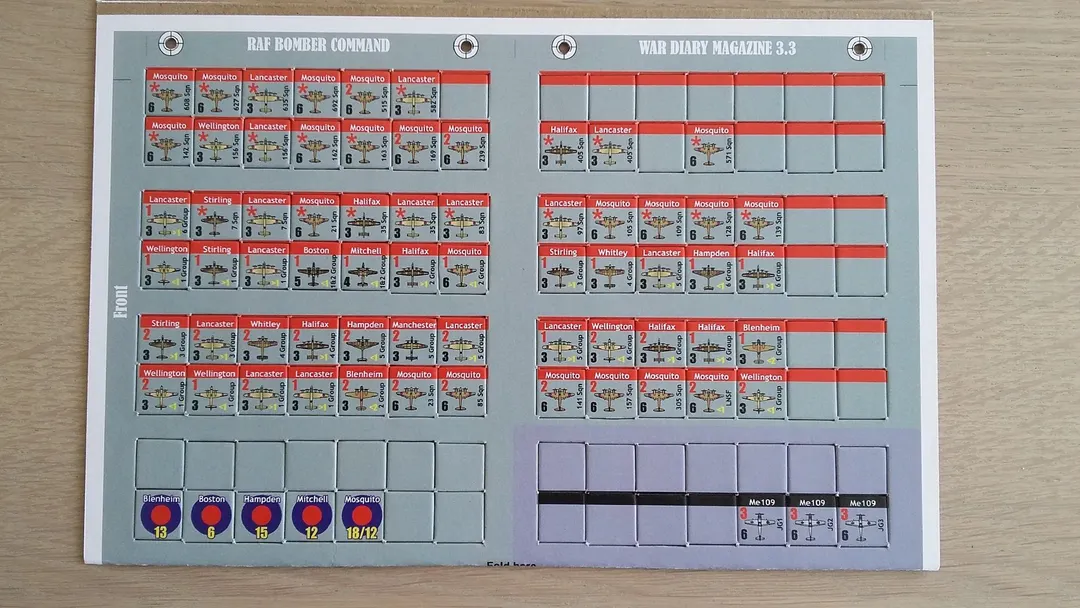
Luftwaffe: RAF Bomber Command Expansion
- 1–2 jugadores
- 200–240 min
- 2018
%2Fpic249323.jpg@webp)
2007
Ayuda con las reglas de Luftwaffe: Aerial Combat – Germany 1943-45
Explicaciones claras de turnos, efectos de cartas y situaciones dudosas, con referencias a fuentes oficiales e historial de preguntas guardado.
Para 2 jugadores
%2Fpic249323.jpg@webp)
¿Qué quieres saber?
Las respuestas salen del reglamento oficial, con la página para comprobarlo.
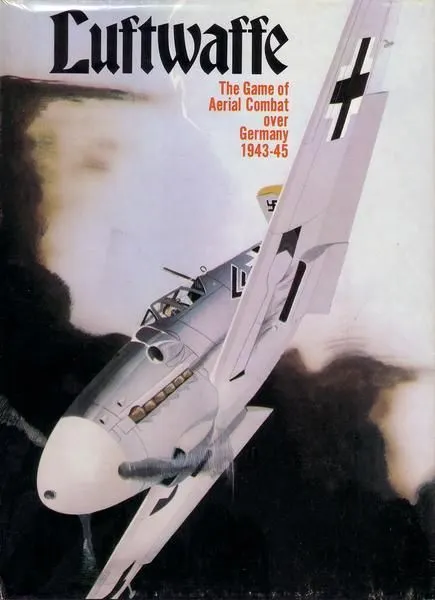
Luftwaffe: Aerial Combat – Germany 1943-45 es un juego de mesa publicado en 2007 para 2 jugadores, con partidas de 240 minutos y a partir de 12 años. Fue diseñado por Lou Zocchi y Joseph Miranda y sus mecánicas principales son Dice Rolling, Grid Movement y Secret Unit Deployment.


En inglés
(from the Decision Games web site:) Luftwaffe is an update of the classic Avalon Hill game covering the US strategic bombing campaign over Europe in World War II. As the US commander, your mission is to eliminate key German industrial complexes. You select the targets, direct the bombers, and plan a strategy intended to keep the Luftwaffe off-balance. As the German commander, the entire arsenal of German aircraft is at your disposal against the finest in Allied designs. Turns are quarterly, with German reinforcements keyed to that player's production choices. Units are wings and squadrons, and they're rated by type, sub-type, firepower, maneuverability and endurance. There are rules for radar, electronic warfare, variable production strategies, aces, target complexes, critical industries and diversion of forces to support the ground war. Beyond that, the original, classic game system remains essentially sound and hasn't otherwise been changed much. Most of the upgrade was in adding in additional rules, revising the order of battle, and adding more deployment and industrial options. The reverse side of the units now represents a condition of loss of effectiveness, rather than loss of material strength. That's due to a combination of factors: damage to aircraft, an infusion of novice pilots, or to veteran crews suffering combat fatigue. Historically, pilot training and morale were critical factors, and the game now shows that. Replacement points represent not only new aircraft but also logistical support, rest and relaxation time for aircrews, all of which are used to restore fatigued units to good morale. Fatigued units count the same as veterans for stacking on the assumption that a shot up or novice unit would be more difficult to coordinate in the air. The orders of battle are much the same as in the original game, though the German player now has to plan ahead if he wants to get jets. We added a US P-61 unit. While P-61s were historically used mostly as night fighters, the USAAF based two groups in France and used them as intruders, so they can be useful in attacking German airbases. The Americans also get a "Droop-Snoot" P-38. They were P-38s that had their guns replaced with a bombardier and were used as light bombers. While only a small number were built, they were effective as bomber-leaders, so they're included in this edition. The German player can now increase his ability to stack by expending fuel points, representing training pilots in large-unit formation tactics. The US player doesn't need to do that, since they had a much bigger training base as well as unlimited fuel. Since the Germans now get additional oil, owing to a more historic evaluation of the Ploesti fields, they can maintain an effective fighter defense as long as they can preserve that reserve of fuel. There are also other new targets on the map, such as the Germans' power generation grid. In the original game the US player had to bomb all the targets on the map to win. Given the way the victory point system now works, the Americans need bomb about four out of the five major target systems to win, thereby duplicating the historic result.
Según el catálogo, Luftwaffe: Aerial Combat – Germany 1943-45 admite 2 jugadores. Es el número de jugadores indicado por la editorial, así que el juego está diseñado exactamente para esa cantidad de participantes. Las variantes para otros tamaños de grupo, si existen, se describen en el reglamento de tu edición; consúltalo antes de preparar otra configuración.
La duración indicada para Luftwaffe: Aerial Combat – Germany 1943-45 es de 240 minutos, la estimación de la editorial para una partida completa. El tiempo real depende del grupo, del número de jugadores y del conocimiento de las reglas: las primeras partidas suelen alargarse y los grupos con experiencia terminan antes. La preparación y la explicación de las reglas no están incluidas.
El catálogo indica Luftwaffe: Aerial Combat – Germany 1943-45 a partir de 12 años. Es la recomendación de la editorial y refleja la lectura necesaria, la complejidad de las reglas y las piezas pequeñas, no solo el tema. Los más pequeños a menudo pueden jugar con ayuda de un adulto: comprueba la edad recomendada en tu edición y la experiencia de tu grupo.
Luftwaffe: Aerial Combat – Germany 1943-45 tiene una puntuación de complejidad de 2,8 sobre 5 según los jugadores de BoardGameGeek, lo que lo convierte en un juego algo ligero. La puntuación refleja cuánto conocimiento de reglas, planificación y toma de decisiones exige una partida típica. Los juegos exigentes requieren una explicación inicial más larga, así que conviene usar una guía de preparación.
Luftwaffe: Aerial Combat – Germany 1943-45 pertenece a estas categorías: Wargame, World War II y Aviation / Flight. Sus mecánicas principales son Dice Rolling, Grid Movement y Secret Unit Deployment. Las categorías describen el tema y la ambientación de un juego, mientras que las mecánicas describen lo que los jugadores hacen realmente en su turno. Cada mecánica lleva a una página del catálogo con juegos similares.
Los autores acreditados de Luftwaffe: Aerial Combat – Germany 1943-45 son: Lou Zocchi y Joseph Miranda. Estos créditos proceden de los datos publicados del juego y nombran a las personas responsables de su diseño, no a ilustradores ni editoriales. Las páginas de autor de MeepleRules reúnen otros títulos de los mismos autores, algo útil cuando un juego te gusta y buscas otros parecidos.
El catálogo clasifica Luftwaffe: Aerial Combat – Germany 1943-45 como juego base. Se juega por sí solo con los componentes de la caja y no requiere ningún otro título. Las expansiones, si existen, añaden contenido o reglas nuevas y aparecen por separado en el catálogo con un enlace a este juego base.