
- Puesto en BGG
- BGG #925
- Puntuación BGG
- 7,0
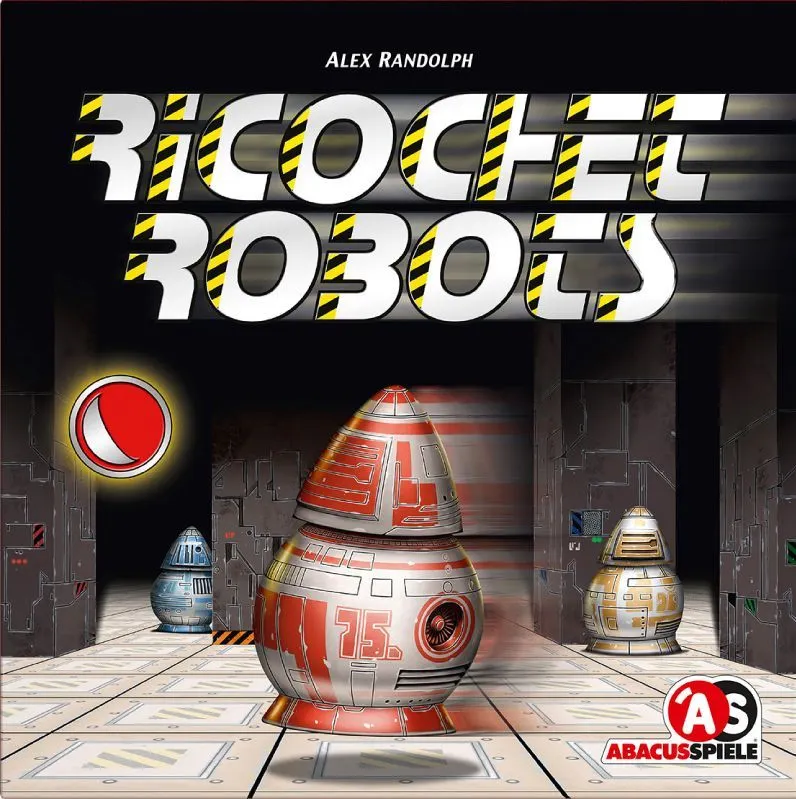
Ricochet Robots
- 1–99 jugadores
- 30 min
- Complejidad 2,4/5
- 1999
1962
Ayuda con las reglas de Oh-Wah-Ree
Explicaciones claras de turnos, efectos de cartas y situaciones dudosas, con referencias a fuentes oficiales e historial de preguntas guardado.
Para 2 jugadores
¿Qué quieres saber?
Las respuestas salen del reglamento oficial, con la página para comprobarlo.
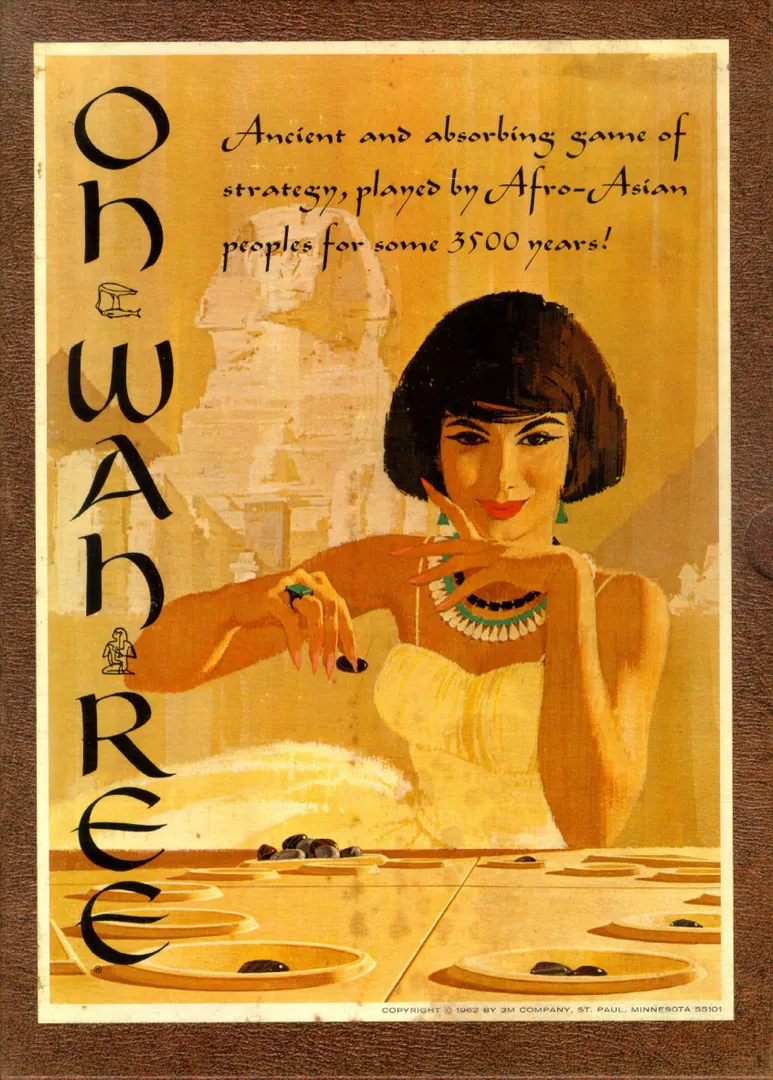
Oh-Wah-Ree es un juego de mesa publicado en 1962 para 2–4 jugadores, con partidas de 30 minutos y a partir de 8 años. Fue diseñado por Alex Randolph y sus mecánicas principales son Mancala.


En inglés
Part of the 3M Bookshelf Series later acquired by Avalon Hill. From the box: It takes a fascinating game to live on for 3500 years, and to have devotees in nations all over the world. Such a game is OH-WAH-REE, now available in a special edition to suit modern tastes. Like other historic games, OH-WAH-REE appeals to players of all ages; children love it as a fast-moving game of pebble and pit action and capture; adults, playing in another dimension, enjoy it as an exercise in long-range planning and execution. OH-WAH-REE can be played by two, three, or four players. The contoured fold-away board, pebbles, markers, and instruction folder go into a handsome case which fits easily on any bookshelf. This is a Mancala game with additional rules to allow play for up to 4 players. The players mark their pits by placing a colored marble in a hole next to the pit. The pebbles are genuine stone pebbles that have been tumbled to make them smooth.
Según el catálogo, Oh-Wah-Ree admite de 2 a 4 jugadores. Este intervalo corresponde al número de jugadores indicado por la editorial, así que el juego puede prepararse para cualquier grupo dentro de ese margen. La preparación, algunas reglas y la puntuación pueden variar según el número de jugadores; consulta la configuración exacta en el reglamento de tu edición.
La duración indicada para Oh-Wah-Ree es de 30 minutos, la estimación de la editorial para una partida completa. El tiempo real depende del grupo, del número de jugadores y del conocimiento de las reglas: las primeras partidas suelen alargarse y los grupos con experiencia terminan antes. La preparación y la explicación de las reglas no están incluidas.
El catálogo indica Oh-Wah-Ree a partir de 8 años. Es la recomendación de la editorial y refleja la lectura necesaria, la complejidad de las reglas y las piezas pequeñas, no solo el tema. Los más pequeños a menudo pueden jugar con ayuda de un adulto: comprueba la edad recomendada en tu edición y la experiencia de tu grupo.
Oh-Wah-Ree tiene una puntuación de complejidad de 1,5 sobre 5 según los jugadores de BoardGameGeek, lo que lo convierte en un juego ligero. La puntuación refleja cuánto conocimiento de reglas, planificación y toma de decisiones exige una partida típica. Los juegos exigentes requieren una explicación inicial más larga, así que conviene usar una guía de preparación.
Oh-Wah-Ree pertenece a estas categorías: Abstract Strategy. Sus mecánicas principales son Mancala. Las categorías describen el tema y la ambientación de un juego, mientras que las mecánicas describen lo que los jugadores hacen realmente en su turno. Cada mecánica lleva a una página del catálogo con juegos similares.
Los autores acreditados de Oh-Wah-Ree son: Alex Randolph. Estos créditos proceden de los datos publicados del juego y nombran a las personas responsables de su diseño, no a ilustradores ni editoriales. Las páginas de autor de MeepleRules reúnen otros títulos de los mismos autores, algo útil cuando un juego te gusta y buscas otros parecidos.
El catálogo clasifica Oh-Wah-Ree como juego base. Se juega por sí solo con los componentes de la caja y no requiere ningún otro título. Las expansiones, si existen, añaden contenido o reglas nuevas y aparecen por separado en el catálogo con un enlace a este juego base.