
- Puntuación BGG
- 8,0
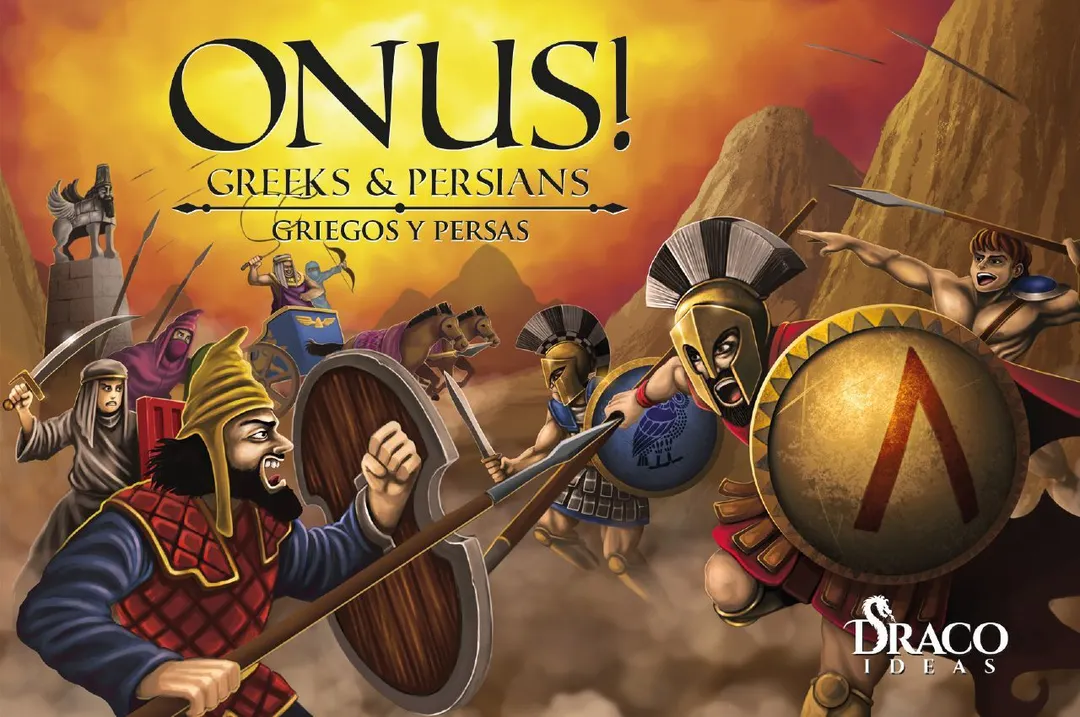
ONUS! Greeks & Persians
- 1–4 jugadores
- 30–120 min
- Complejidad 3,5/5
- 2016
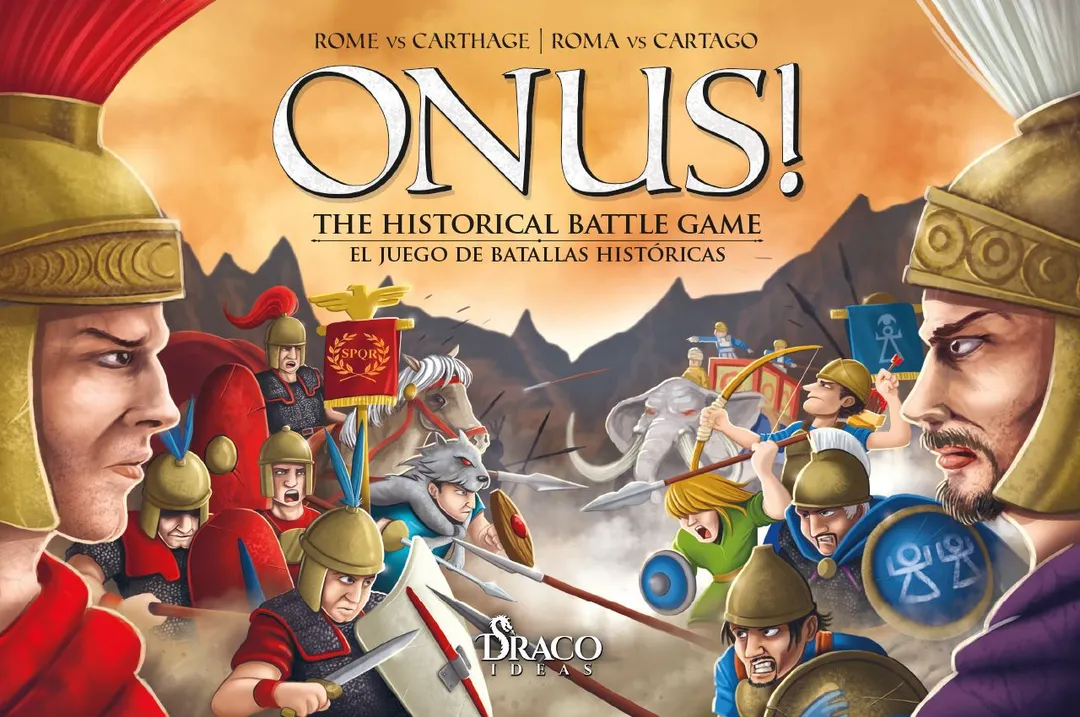
2014
Ayuda con las reglas de ONUS! Rome Vs Carthage
Explicaciones claras de turnos, efectos de cartas y situaciones dudosas, con referencias a fuentes oficiales e historial de preguntas guardado.
Para 1 jugador
¿Qué quieres saber?
Las respuestas salen del reglamento oficial, con la página para comprobarlo.
ONUS! Rome Vs Carthage es un juego de mesa publicado en 2014 para 1–4 jugadores, con partidas de 60 minutos y a partir de 12 años. Fue diseñado por Luis Álvaro Hernández y Alvar Sanz y sus mecánicas principales son Dice Rolling, Simultaneous Action Selection y Open Drafting.
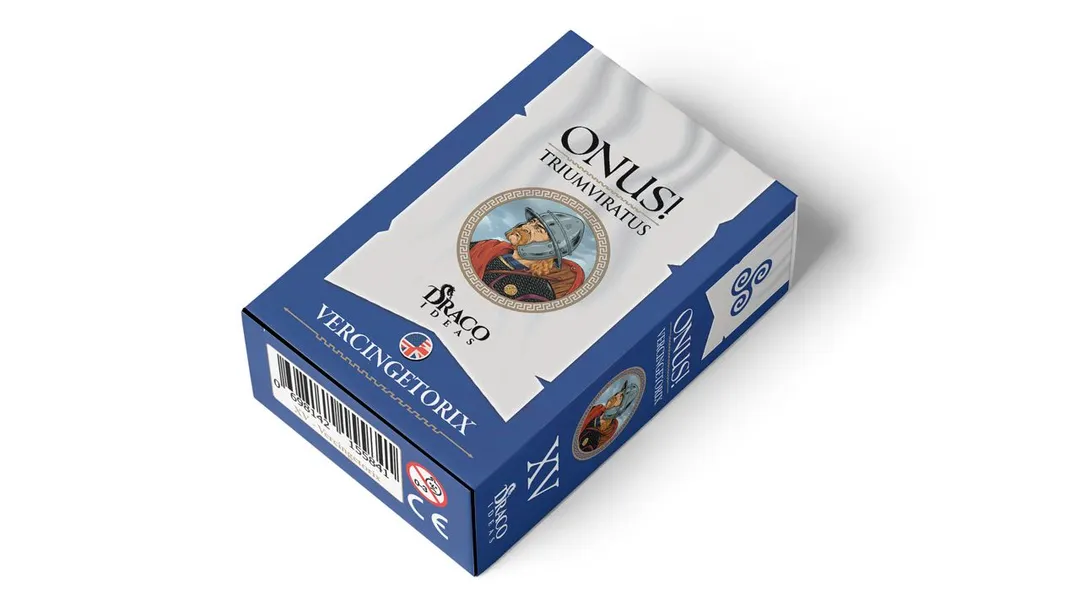
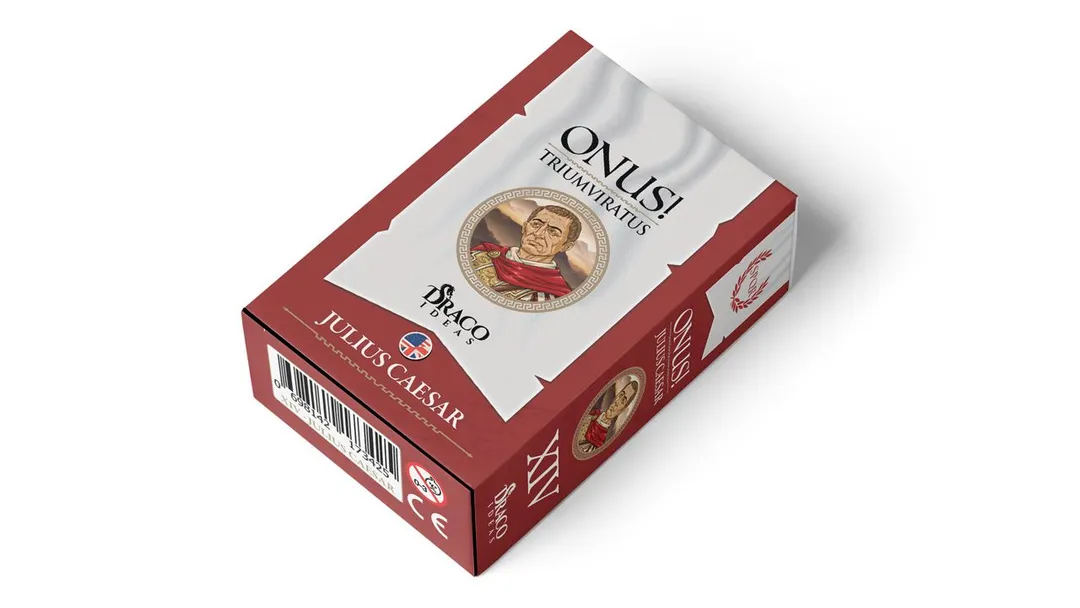
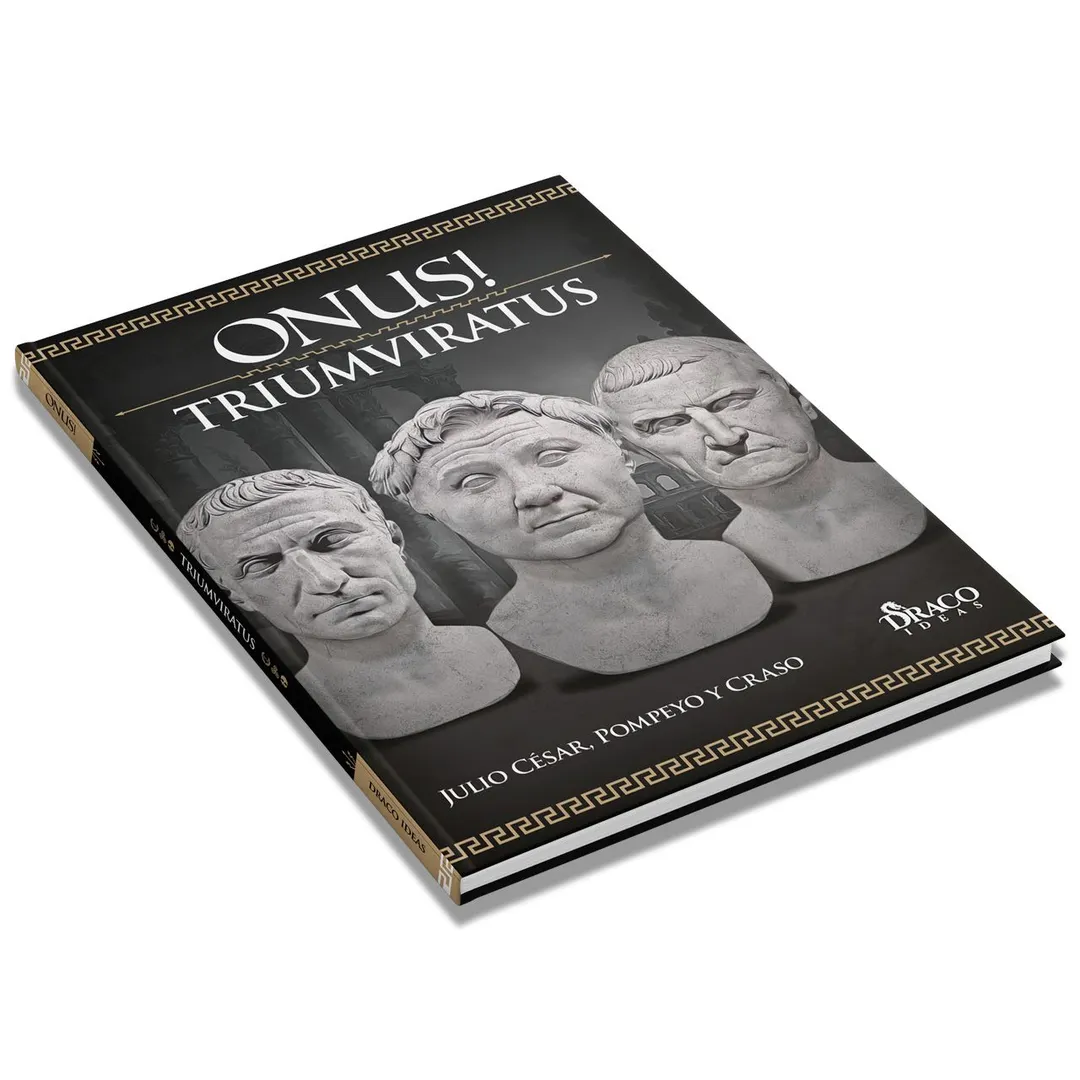
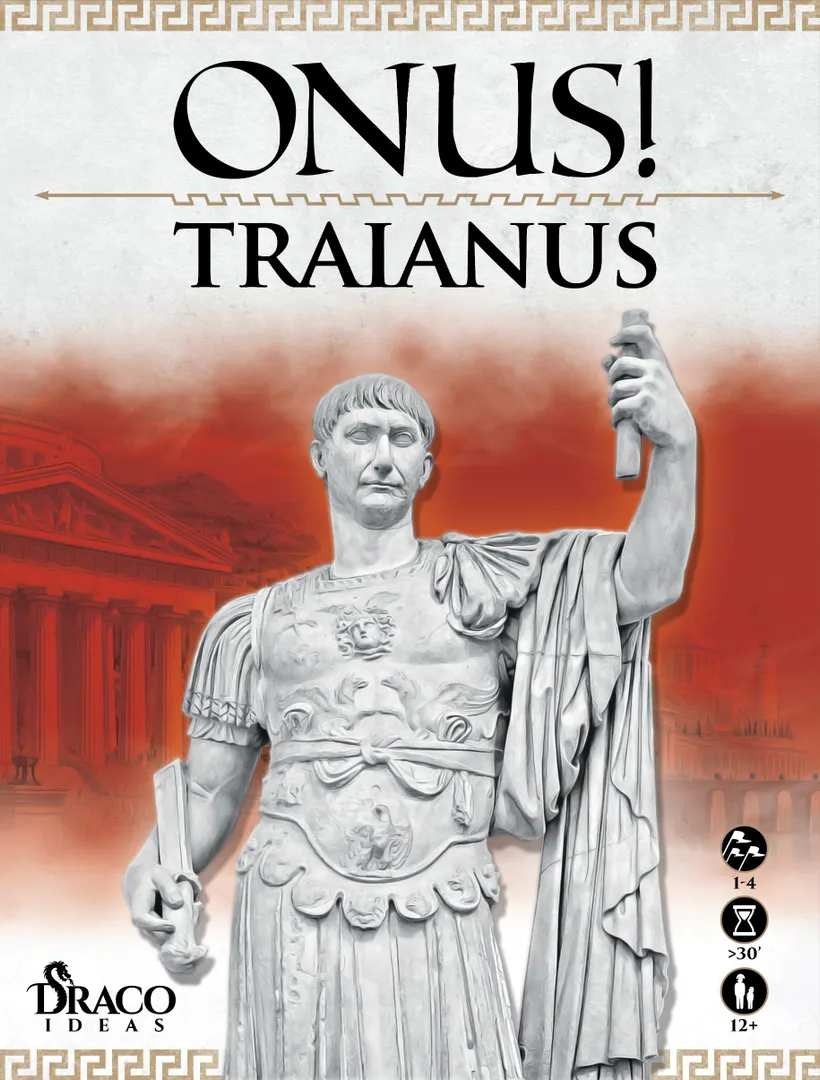


En inglés
Have you ever dreamed of commanding a powerful army? Have you ever imagined leading troops, which included elephants over the Pyrenees and the Alps to try to conquer Rome? Have you enjoyed a good historical novel dated on the old Republic of Rome, and you would like to travel to that time? ONUS! Rome Vs Carthage is a war game similar to miniatures games in which both sides fight an ancient battle. The game is mainly based on the II Punic war, although battles from III to I B.C centuries can be also simulated. The game concept combines both, orders and events cards, that makes each game different and each combat becomes unpredictable and thrilling. ONUS! can be played anywhere but to get the best gaming experience we do recommend a game area as large as possible, i.e. 3.2 x 2.9 feet (100 x 90 cm). Units are represented by cards which have been scaled around a Centuria (also known as Century) or to a Maniple (also known as Manipulus), representing formations from 80 to 100 men for Infantry units, 20 cavalrymen for Cavalry units or 6 Elephants. Units have their own set of traits to represent permanent attributes of the unit, like Melee Combat, Range Attack, Defensive capacity, Morale and Life, and Movement capacity. This set of traits gets bonuses and penalties depending on the ongoing situation and combat engagements. Units also have their unique set of skills to represent specific abilities they can perform: from defensive formations to extremely effective techniques to attack enemies. Some of these skills need to be activated, meaning only one of them can be used in an engagement, while others are inherent to the units. Leadership is represented in the game by the figure of the General. A General’s token represent his HQ and its own escort. In addition to the leadership benefit, a General grants bonuses to nearby units, boosting the morale of the troops and providing additional benefits when they are engaged with the enemy in those bloody encounters. Both, Hannibal and Scipio, two well-known Generals are included in the game with their unique set of bonuses! Also, Heroes, Veterans and Elite units take part in Onus! ONUS! Rome Vs Carthage is played in turns, composed by six different phases each: 1. Activation of Units: in this phase, the active player can play any number of Order cards from his hand, stating what units are going to be used during the turn. 2. Movement and Charges: in this phase, the active player may move all those units activated in the previous phase. Those units finishing their movement in contact with enemy units, may Charge against them. 3. Range Attack: those active units able to carry out Ranged Attacks and which haven’t moved or executed a Reduced Movement may shoot enemies within its maximum range. Also, special units like Skirmirsher have this skill, thus they may want to use this ability. 4. Skirmishers: units having these specific skill can harass enemy units, provided they haven't spent all their movement points. 5. Combat: All engagements are resolved in this phase, being the active player the one choosing the order of combats. 6. Flee Movement: units fleeing continue their movement if Morale checks fail.
Según el catálogo, ONUS! Rome Vs Carthage admite de 1 a 4 jugadores. Este intervalo corresponde al número de jugadores indicado por la editorial, así que el juego puede prepararse para cualquier grupo dentro de ese margen. La preparación, algunas reglas y la puntuación pueden variar según el número de jugadores; consulta la configuración exacta en el reglamento de tu edición.
La duración indicada para ONUS! Rome Vs Carthage es de 60 minutos, la estimación de la editorial para una partida completa. El tiempo real depende del grupo, del número de jugadores y del conocimiento de las reglas: las primeras partidas suelen alargarse y los grupos con experiencia terminan antes. La preparación y la explicación de las reglas no están incluidas.
El catálogo indica ONUS! Rome Vs Carthage a partir de 12 años. Es la recomendación de la editorial y refleja la lectura necesaria, la complejidad de las reglas y las piezas pequeñas, no solo el tema. Los más pequeños a menudo pueden jugar con ayuda de un adulto: comprueba la edad recomendada en tu edición y la experiencia de tu grupo.
ONUS! Rome Vs Carthage tiene una puntuación de complejidad de 2,8 sobre 5 según los jugadores de BoardGameGeek, lo que lo convierte en un juego algo ligero. La puntuación refleja cuánto conocimiento de reglas, planificación y toma de decisiones exige una partida típica. Los juegos exigentes requieren una explicación inicial más larga, así que conviene usar una guía de preparación.
ONUS! Rome Vs Carthage pertenece a estas categorías: Wargame, Miniatures y Ancient. Sus mecánicas principales son Dice Rolling, Simultaneous Action Selection y Open Drafting. Las categorías describen el tema y la ambientación de un juego, mientras que las mecánicas describen lo que los jugadores hacen realmente en su turno. Cada mecánica lleva a una página del catálogo con juegos similares.
Los autores acreditados de ONUS! Rome Vs Carthage son: Luis Álvaro Hernández y Alvar Sanz. Estos créditos proceden de los datos publicados del juego y nombran a las personas responsables de su diseño, no a ilustradores ni editoriales. Las páginas de autor de MeepleRules reúnen otros títulos de los mismos autores, algo útil cuando un juego te gusta y buscas otros parecidos.
El catálogo clasifica ONUS! Rome Vs Carthage como juego base. Se juega por sí solo con los componentes de la caja y no requiere ningún otro título. Las expansiones, si existen, añaden contenido o reglas nuevas y aparecen por separado en el catálogo con un enlace a este juego base.