

- Puesto en BGG
- BGG #12.851
- Puntuación BGG
- 7,8
Korsun Pocket: Little Stalingrad on the Dnepr
- 2–6 jugadores
- 360–6000 min
- Complejidad 4,3/5
- 1979

1997
Ayuda con las reglas de Operation Spark: the Relief of Leningrad 1943
Explicaciones claras de turnos, efectos de cartas y situaciones dudosas, con referencias a fuentes oficiales e historial de preguntas guardado.
Para 2 jugadores
¿Qué quieres saber?
Las respuestas salen del reglamento oficial, con la página para comprobarlo.
Operation Spark: the Relief of Leningrad 1943 es un juego de mesa publicado en 1997 para 2 jugadores y con partidas de 180 minutos. Fue diseñado por Jack Radey y sus mecánicas principales son Dice Rolling y Hexagon Grid.




En inglés
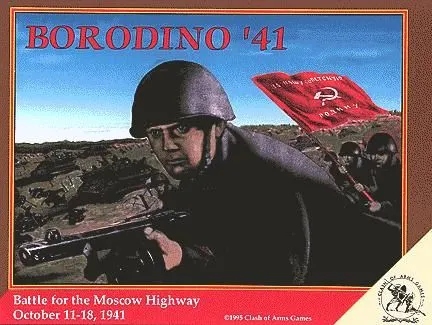
"Operation Spark: The Relief of Leningrad 1943", is a simulation of the Soviet military offensive (Operation Iskra) during World War II, designed to break the German Wehrmacht's Siege of Leningrad. Planning for the operation began shortly after the failure of the Sinyavino Offensive. The German defeat in the Battle of Stalingrad in late 1942 had weakened the German front. By January 1943, Soviet forces were planning or conducting offensive operations across the entire German-Soviet front, especially in southern Russia, Iskra being the northern part of the wider Soviet 1942–1943 winter counter offensive The city of Leningrad, second largest in the USSR, had been cut off by the Germans since September 8, 1941. Now, sixteen months later, the Soviets were about to make their third attempt to relieve the city. The first attack in January 1942 had led to the mauling of the 2nd Shock Army in the swamps to the south, and a second failure between Sinyavino and Mga in the summer of 1942 had also taken heavy casualties, although it had completely derailed von Manstein's planned assault on the city itself. Now in January of 1943 the Red Army was set to try again. Uses the same game system rules as the following Clash of Arms Games wargames, the award winning Black Sea Black Death, Aachen and Borodino '41. The game is set in a frozen peat bog, bordered by a frozen lake and a frozen river, is a slugging match. German fortified lines cut through the snow filled woods and encircle the worker's settlements and the critical Sinyabino Heights. The Red Army appears for the most part in regiment sized units of riflemen, artillery and heavy mortars, backed up by battalions of tanks (half of them light T-60s), skiers, marines, engineers, as well as by naval artillery, air power, and a few odd units like aerosans and observation balloons. The Germans have most of their units in infantry and artillery battalions, backed up by companies of Tiger and Pzkw.III tanks, deadly 88mm flak guns, and STUG IIIs. The Germans also field everything from a battalion of Spanish fascists to a railroad battery. They also field battalions of heavy artillery, nebelwerfers, and captured French coastal guns, as well as mountain troops, jaegers, the SS Polizei Division, and several overstrength independent regiments plus their Tiger tanks (here seen in their debut performance). Game Scale: Turn: Impulses = 4-5 hours, 5-6 impulses per day Hex: 880 yards / 804 meters Units: Company to Regiment Game Inventory: One 22 x 34" full-color mapsheets Three dual-side printed countersheets (2 combat, 1 markers - 620 1/2" counters) One 32-page Operation Spark rules booklet Six Player Aid cards Two 10-sided dice Players: 1 or more Playing Time: 2-20 hours Complexity: Medium Solitaire Suitability: Moderate
Según el catálogo, Operation Spark: the Relief of Leningrad 1943 admite 2 jugadores. Es el número de jugadores indicado por la editorial, así que el juego está diseñado exactamente para esa cantidad de participantes. Las variantes para otros tamaños de grupo, si existen, se describen en el reglamento de tu edición; consúltalo antes de preparar otra configuración.
La duración indicada para Operation Spark: the Relief of Leningrad 1943 es de 180 minutos, la estimación de la editorial para una partida completa. El tiempo real depende del grupo, del número de jugadores y del conocimiento de las reglas: las primeras partidas suelen alargarse y los grupos con experiencia terminan antes. La preparación y la explicación de las reglas no están incluidas.
Operation Spark: the Relief of Leningrad 1943 tiene una puntuación de complejidad de 3,8 sobre 5 según los jugadores de BoardGameGeek, lo que lo convierte en un juego exigente. La puntuación refleja cuánto conocimiento de reglas, planificación y toma de decisiones exige una partida típica. Los juegos exigentes requieren una explicación inicial más larga, así que conviene usar una guía de preparación.
Operation Spark: the Relief of Leningrad 1943 pertenece a estas categorías: Wargame y World War II. Sus mecánicas principales son Dice Rolling y Hexagon Grid. Las categorías describen el tema y la ambientación de un juego, mientras que las mecánicas describen lo que los jugadores hacen realmente en su turno. Cada mecánica lleva a una página del catálogo con juegos similares.
Los autores acreditados de Operation Spark: the Relief of Leningrad 1943 son: Jack Radey. Estos créditos proceden de los datos publicados del juego y nombran a las personas responsables de su diseño, no a ilustradores ni editoriales. Las páginas de autor de MeepleRules reúnen otros títulos de los mismos autores, algo útil cuando un juego te gusta y buscas otros parecidos.
El catálogo clasifica Operation Spark: the Relief of Leningrad 1943 como juego base. Se juega por sí solo con los componentes de la caja y no requiere ningún otro título. Las expansiones, si existen, añaden contenido o reglas nuevas y aparecen por separado en el catálogo con un enlace a este juego base.