
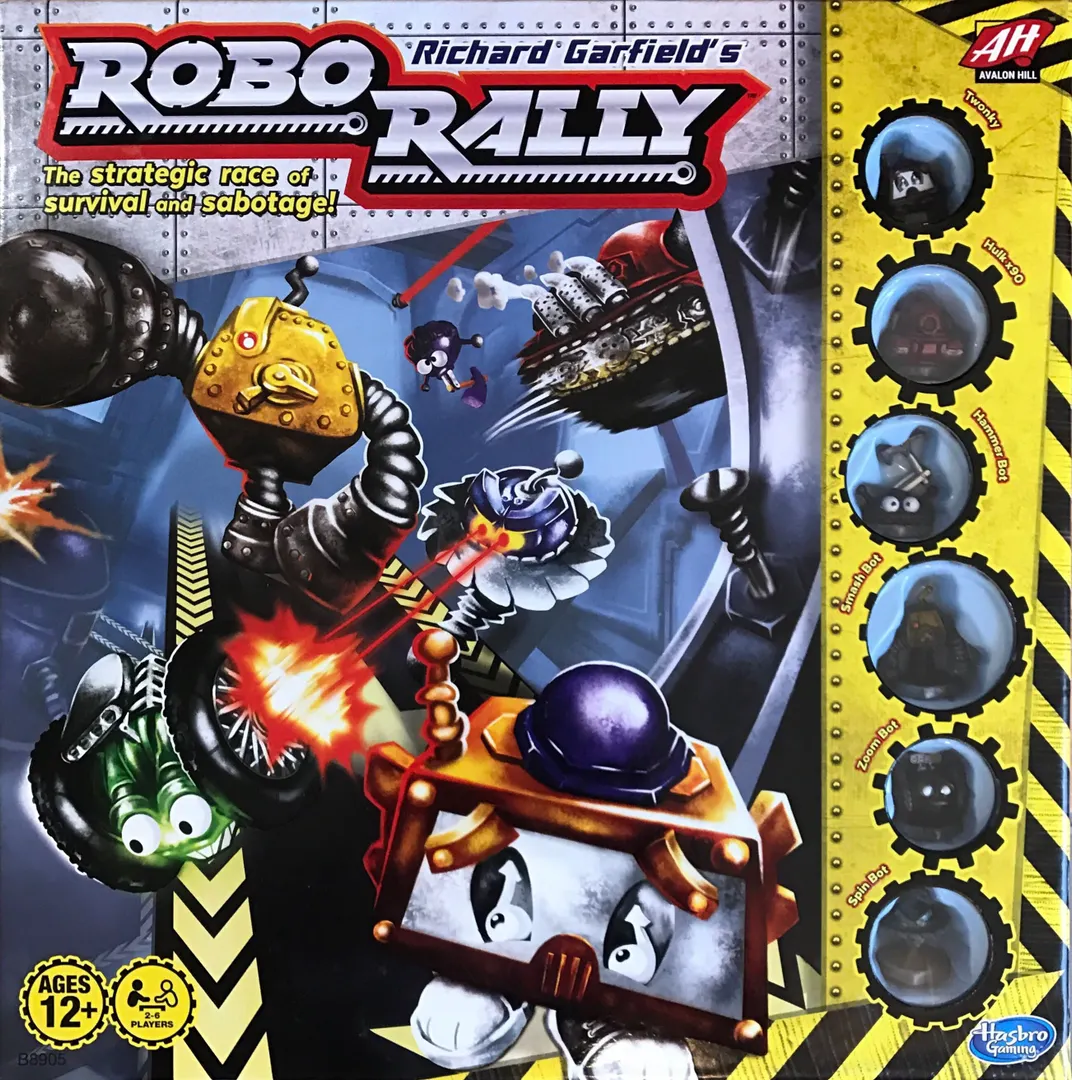
- Puesto en BGG
- BGG #1779
- Puntuación BGG
- 6,9
Robo Rally
- 2–6 jugadores
- 20–120 min
- Complejidad 2,4/5
- 2016
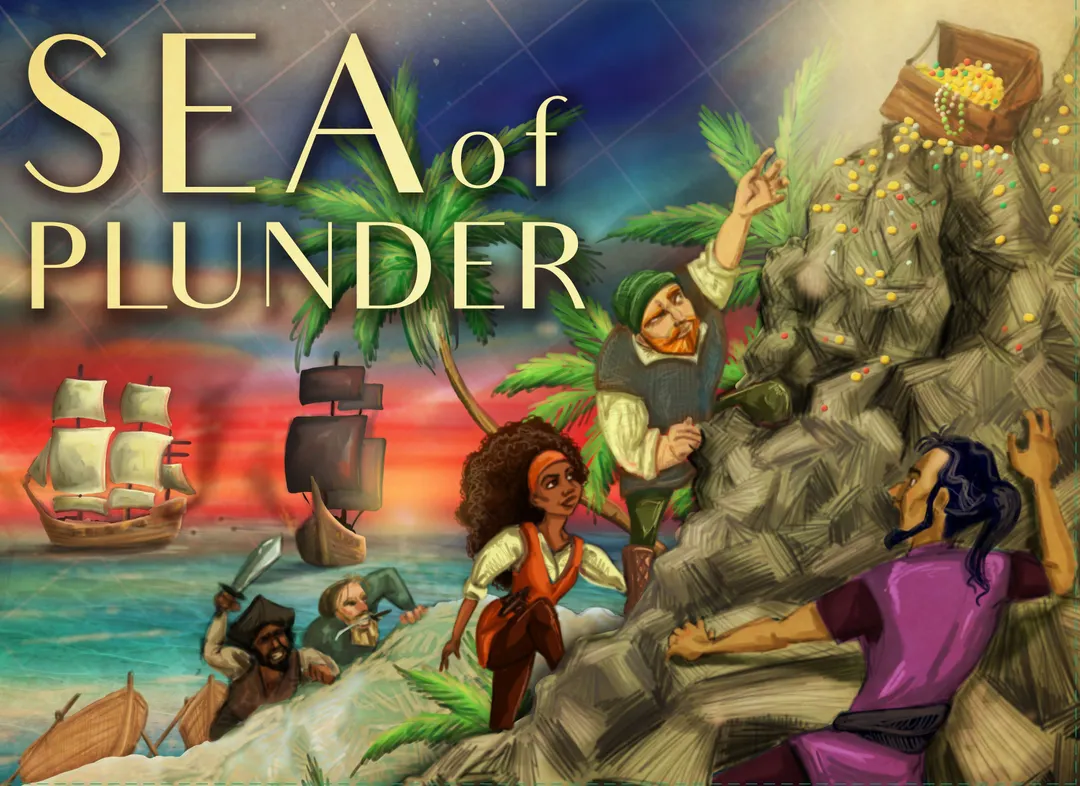
2020
Ayuda con las reglas de Sea of Plunder
Explicaciones claras de turnos, efectos de cartas y situaciones dudosas, con referencias a fuentes oficiales e historial de preguntas guardado.
Para 2 jugadores
¿Qué quieres saber?
Las respuestas salen del reglamento oficial, con la página para comprobarlo.
Sea of Plunder es un juego de mesa publicado en 2020 para 2–4 jugadores, con partidas de 30 a 60 minutos y a partir de 10 años. Fue diseñado por Rusty Lumpkin y sus mecánicas principales son Variable Player Powers, Hand Management y Take That.



En inglés
Kickstarter Link: https://bit.ly/Seaofplunderks Sail the Seas in search of fame and riches as a merchant ship captain trying to out maneuver his fellow merchants and the ruthless pirates! Sea of Plunder is a light weight strategy game about treasure hunting in which you are a merchant ship sailing across the endless sea, racing to get to mysterious treasure islands while at the same time gathering goods from port cities,dodging pirates, getting pushed around by hurricanes, and stealing cargo from the other merchants/treasure hunters! Scoring and Goal: Four things are taken into account for scoring at the end of the game. Treasures- The players can gather treasures from the mysterious treasure islands throughout the game. Goods-A second way is by collecting the unique goods that are produced at each of the port cities located on the 4 home islands. The goods are a set collection objective where you get more points for having multiple different types of goods. (this means that you have to travel to the multiple islands or trade with another merchant for them) Magical Compasses-A player is also awarded points at the end of the game for each "magical compass" that they possess. All the players are given these through out the game but they can also gain these in trades from other players. Debt-Each player is deducted points based on the amount of debt that they have gained throughout the game. A player will obtain debt any time that they come into contact with pirates and are unable to bribe them with a good. In this instance the pirates attach the ship and the player gains debt which represents the price that they had to pay for repairs The player with the total highest score wins. In the case of a tie, the player with the most magical compasses left wins. Game Play: Players take turns in clockwise fashion. They will draw two cards and add them to their hand. They then choose to play a card (a treasure map, port city, or action card) these will commonly affect the active player (Exceptions would include some action cards). The player then chooses to discard a card. The card discarded allows the player to choose a pirate on the map and move it accordingly Player Powers: Each player has a unique player power that allows for new strategies and replayability! Action Cards: Allow the player to preform more complex combos or implement some take that upon the other players. Event Cards: These are cards that are dispersed throughout the draw deck. When they appear they do not count as one of your draws or plays but they are played immediately and affect all players. Treasure Islands: The game starts with one treasure island in the middle of the board. When a player sails across a treasure island they have now discovered it and found the treasure. That treasure island will disappear off the map and a new treasure island location will be randomly generated. Event cards such as "Tales of More Treasure" cause new treasure islands to be generated onto the board so that by the end of the game there are multiple options of islands that you can choose to sail towards. The Pirates: There are four pirate ships that can be moved across the board according to each players discard. You can use the pirates to discover the treasure islands (the pirate would get the treasure) if an opponent is getting to close to it for comfort. You can also sail the pirate into another player forcing them to lose a good or accumulate debt. You may also place a pirate on the port cities to help blockade your opponent merchants from gathering the goods from that city. Game End: The game end can be triggered in two ways. When a player has collected 3 treasures or when the pirates have collected 6 treasures. When the game end is triggered, the players finish the round and then calculate final scoring.
Según el catálogo, Sea of Plunder admite de 2 a 4 jugadores. Este intervalo corresponde al número de jugadores indicado por la editorial, así que el juego puede prepararse para cualquier grupo dentro de ese margen. La preparación, algunas reglas y la puntuación pueden variar según el número de jugadores; consulta la configuración exacta en el reglamento de tu edición.
La duración indicada para Sea of Plunder es de 30 a 60 minutos, la estimación de la editorial para una partida completa. El tiempo real depende del grupo, del número de jugadores y del conocimiento de las reglas: las primeras partidas suelen alargarse y los grupos con experiencia terminan antes. La preparación y la explicación de las reglas no están incluidas.
El catálogo indica Sea of Plunder a partir de 10 años. Es la recomendación de la editorial y refleja la lectura necesaria, la complejidad de las reglas y las piezas pequeñas, no solo el tema. Los más pequeños a menudo pueden jugar con ayuda de un adulto: comprueba la edad recomendada en tu edición y la experiencia de tu grupo.
Sea of Plunder tiene una puntuación de complejidad de 2,3 sobre 5 según los jugadores de BoardGameGeek, lo que lo convierte en un juego algo ligero. La puntuación refleja cuánto conocimiento de reglas, planificación y toma de decisiones exige una partida típica. Los juegos exigentes requieren una explicación inicial más larga, así que conviene usar una guía de preparación.
Sea of Plunder pertenece a estas categorías: Adventure, Nautical y Racing. Sus mecánicas principales son Variable Player Powers, Hand Management y Take That. Las categorías describen el tema y la ambientación de un juego, mientras que las mecánicas describen lo que los jugadores hacen realmente en su turno. Cada mecánica lleva a una página del catálogo con juegos similares.
Los autores acreditados de Sea of Plunder son: Rusty Lumpkin. Estos créditos proceden de los datos publicados del juego y nombran a las personas responsables de su diseño, no a ilustradores ni editoriales. Las páginas de autor de MeepleRules reúnen otros títulos de los mismos autores, algo útil cuando un juego te gusta y buscas otros parecidos.
El catálogo clasifica Sea of Plunder como juego base. Se juega por sí solo con los componentes de la caja y no requiere ningún otro título. Las expansiones, si existen, añaden contenido o reglas nuevas y aparecen por separado en el catálogo con un enlace a este juego base.