
- Puesto en BGG
- BGG #20.852
- Puntuación BGG
- 8,0
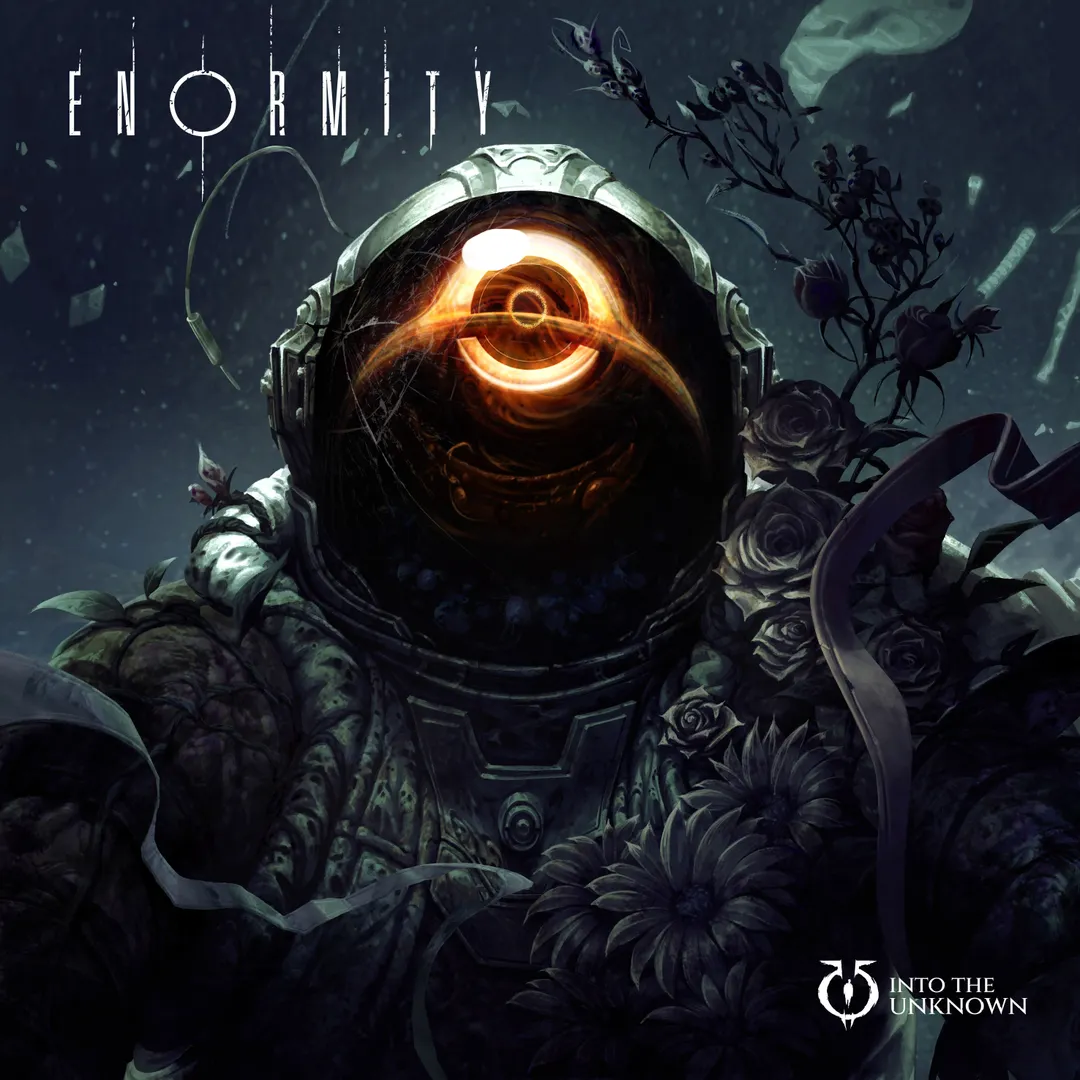
Enormity
- 1–4 jugadores
- 60–90 min
- Complejidad 4,0/5
- 2026
Ayuda con las reglas de Sewerville Shootout
Explicaciones claras de turnos, efectos de cartas y situaciones dudosas, con referencias a fuentes oficiales e historial de preguntas guardado.
¿Qué quieres saber?
Las respuestas salen del reglamento oficial, con la página para comprobarlo.
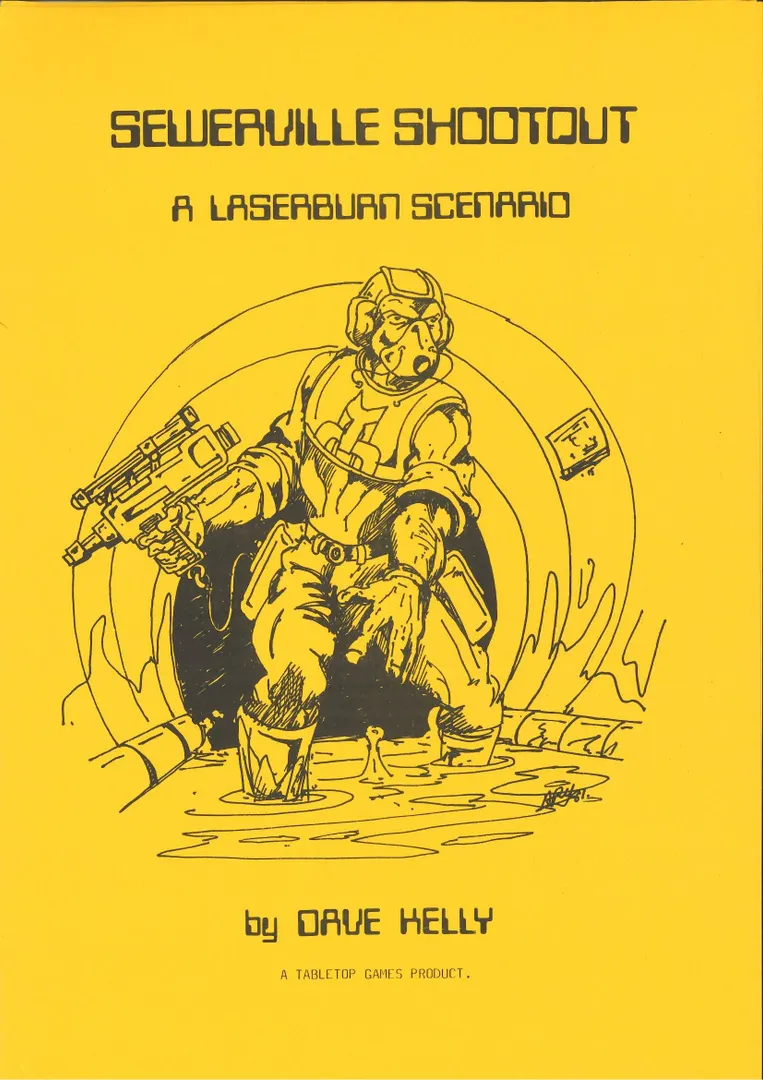
Sewerville Shootout es una expansión de Laserburn: Sci-Fi Combat Rules publicada en 1981 para 2 jugadores. Fue diseñado por Dave Kelly y sus mecánicas principales son Dice Rolling, Variable Set-up y Square Grid.




En inglés
A Laserburn scenario featuring 3 map cards, an 8 page umpire folio and a 4 page player folio. Or to boldly go where no man has gone before. This scenario is set in an old complex of sewers, code-named "Sewerville". The ends of the main access tunnels collapsed ages ago, sealing this area off. No attempt was made to rescue the workers and robots that were trapped, and it was not long before they were forgotten. Recently though, it was discovered that the "Android Liberation Front" has its headquartesr down there. The Imperial inquisition has succeeded in getting one of their agents accepted by the ALFists, but the only information he has been able to sneak out is that they are camped in the lower level of the system, and that a large scale attack will soon be launched by them. Rather than risk their agent being discovered by the Frontists by bringing in Inquisition agents from all over the city, they have decide to risk the lives of an expendable group of mercenaries. Of course, the question of payment rears its ugly head, and rather than chop it off (the usual Inquisition tactic), the mecenaries will be paid. - from the players manual
Según el catálogo, Sewerville Shootout admite 2 jugadores. Es el número de jugadores indicado por la editorial, así que el juego está diseñado exactamente para esa cantidad de participantes. Las variantes para otros tamaños de grupo, si existen, se describen en el reglamento de tu edición; consúltalo antes de preparar otra configuración.
Sewerville Shootout tiene una puntuación de complejidad de 2,0 sobre 5 según los jugadores de BoardGameGeek, lo que lo convierte en un juego algo ligero. La puntuación refleja cuánto conocimiento de reglas, planificación y toma de decisiones exige una partida típica. Los juegos exigentes requieren una explicación inicial más larga, así que conviene usar una guía de preparación.
Sewerville Shootout pertenece a estas categorías: Wargame, Miniatures y Science Fiction. Sus mecánicas principales son Dice Rolling, Variable Set-up y Square Grid. Las categorías describen el tema y la ambientación de un juego, mientras que las mecánicas describen lo que los jugadores hacen realmente en su turno. Cada mecánica lleva a una página del catálogo con juegos similares.
Los autores acreditados de Sewerville Shootout son: Dave Kelly. Estos créditos proceden de los datos publicados del juego y nombran a las personas responsables de su diseño, no a ilustradores ni editoriales. Las páginas de autor de MeepleRules reúnen otros títulos de los mismos autores, algo útil cuando un juego te gusta y buscas otros parecidos.
El catálogo clasifica Sewerville Shootout como expansión de Laserburn: Sci-Fi Combat Rules. Las expansiones añaden contenido, reglas o escenarios al juego base y normalmente no se pueden jugar solas, así que necesitas Laserburn: Sci-Fi Combat Rules para usarla. Comprueba que tu edición de Laserburn: Sci-Fi Combat Rules sea compatible, porque algunas expansiones se revisaron entre ediciones.