
- Puesto en BGG
- BGG #8170
- Puntuación BGG
- 7,9
Check Your 6!
- 2–12 jugadores
- 120 min
- Complejidad 2,7/5
- 2007
2003
Ayuda con las reglas de SkirmishCampaigns: Red Guards at Kursk
Explicaciones claras de turnos, efectos de cartas y situaciones dudosas, con referencias a fuentes oficiales e historial de preguntas guardado.
¿Qué quieres saber?
Las respuestas salen del reglamento oficial, con la página para comprobarlo.
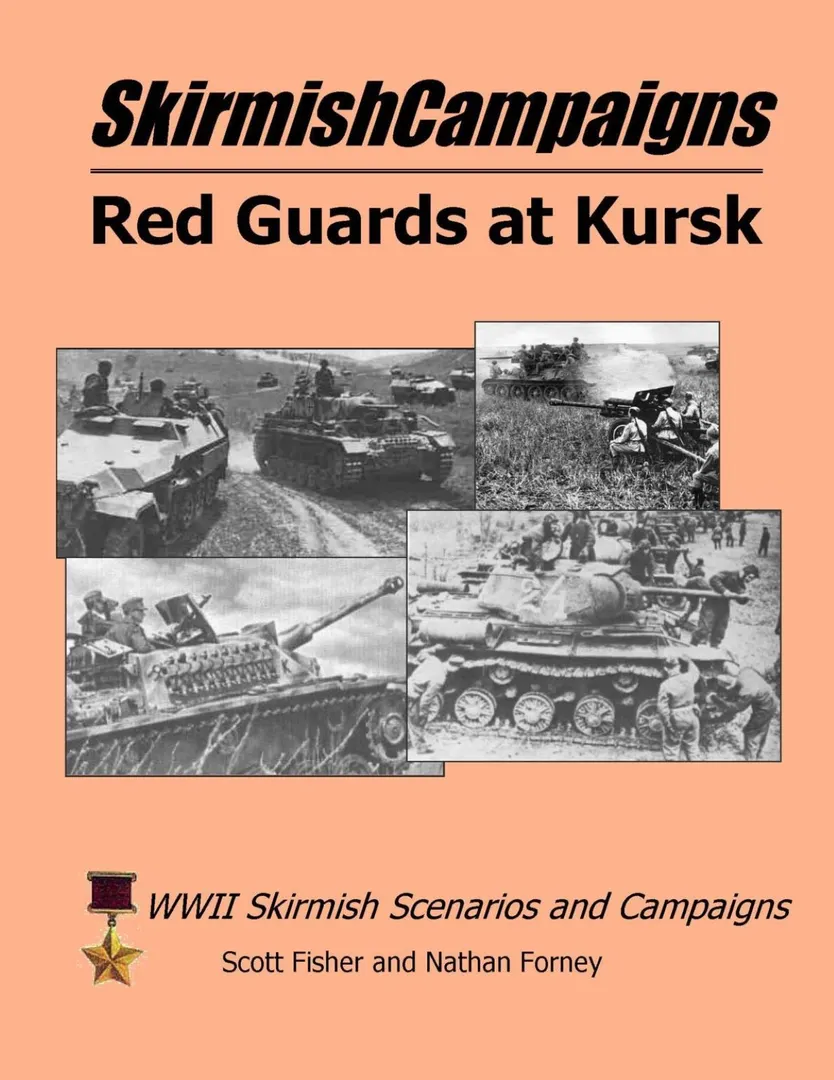
SkirmishCampaigns: Red Guards at Kursk es una expansión de juego de mesa publicada en 2003 para 2–6 jugadores y a partir de 12 años. Fue diseñado por Scott Fisher y Nathan Forney y sus mecánicas principales son Simulation y Scenario / Mission / Campaign Game.


En inglés
SkirmishCampaigns:Russia 43- Red Guards at Kurskis a complete book for recreating skirmish-level battles and campaigns centered on the Soviet 11th Guards Army and its thrust on the northern flank of the Kursk salient in July 1943. This is the second in a set of two books (the first is Gross Deutschland at Kursk) focused on the titanic struggle around Kursk. Maximum Replayability: the SkirmishCampaigns system features a realistic variable order of battle for each scenario, guaranteeing countless unique scenario and campaign replays. Generic Order of Battle: this book also includes a unique generic order of battle listing that can be translated to almost any skirmish rule system. Historical Research: this book includes several introduction sections that contain background information on the German offensive at Kursk in 1943. Includes: 10 Scenarios, 3 Campaigns Compatible with these and other Skirmish Rules: Battleground, Beer and Pretzels Skirmish (BAPS), ARC of FIRE, Face of Battle, Men of Frost, Overlord, Battalions in Crisis, Battlefront WWII, Cross of Iron, And in the Beginning, Skirmish '90, and more. —description from the publisher
Según el catálogo, SkirmishCampaigns: Red Guards at Kursk admite de 2 a 6 jugadores. Este intervalo corresponde al número de jugadores indicado por la editorial, así que el juego puede prepararse para cualquier grupo dentro de ese margen. La preparación, algunas reglas y la puntuación pueden variar según el número de jugadores; consulta la configuración exacta en el reglamento de tu edición.
El catálogo indica SkirmishCampaigns: Red Guards at Kursk a partir de 12 años. Es la recomendación de la editorial y refleja la lectura necesaria, la complejidad de las reglas y las piezas pequeñas, no solo el tema. Los más pequeños a menudo pueden jugar con ayuda de un adulto: comprueba la edad recomendada en tu edición y la experiencia de tu grupo.
SkirmishCampaigns: Red Guards at Kursk pertenece a estas categorías: Wargame, Miniatures y World War II. Sus mecánicas principales son Simulation y Scenario / Mission / Campaign Game. Las categorías describen el tema y la ambientación de un juego, mientras que las mecánicas describen lo que los jugadores hacen realmente en su turno. Cada mecánica lleva a una página del catálogo con juegos similares.
Los autores acreditados de SkirmishCampaigns: Red Guards at Kursk son: Scott Fisher y Nathan Forney. Estos créditos proceden de los datos publicados del juego y nombran a las personas responsables de su diseño, no a ilustradores ni editoriales. Las páginas de autor de MeepleRules reúnen otros títulos de los mismos autores, algo útil cuando un juego te gusta y buscas otros parecidos.
El catálogo clasifica SkirmishCampaigns: Red Guards at Kursk como expansión. Las expansiones añaden contenido, reglas o escenarios a un juego base existente y normalmente no se pueden jugar solas. Comprueba en la caja o en la descripción de la editorial qué juego base se necesita y asegúrate de que tu edición de ese juego sea compatible con esta expansión.