
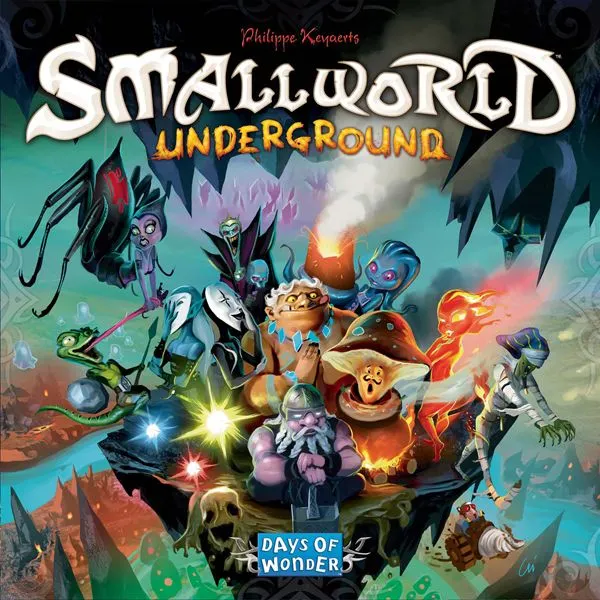
- Puesto en BGG
- BGG #656
- Puntuación BGG
- 7,2
Small World Underground
- 2–5 jugadores
- 30–90 min
- Complejidad 2,6/5
- 2011
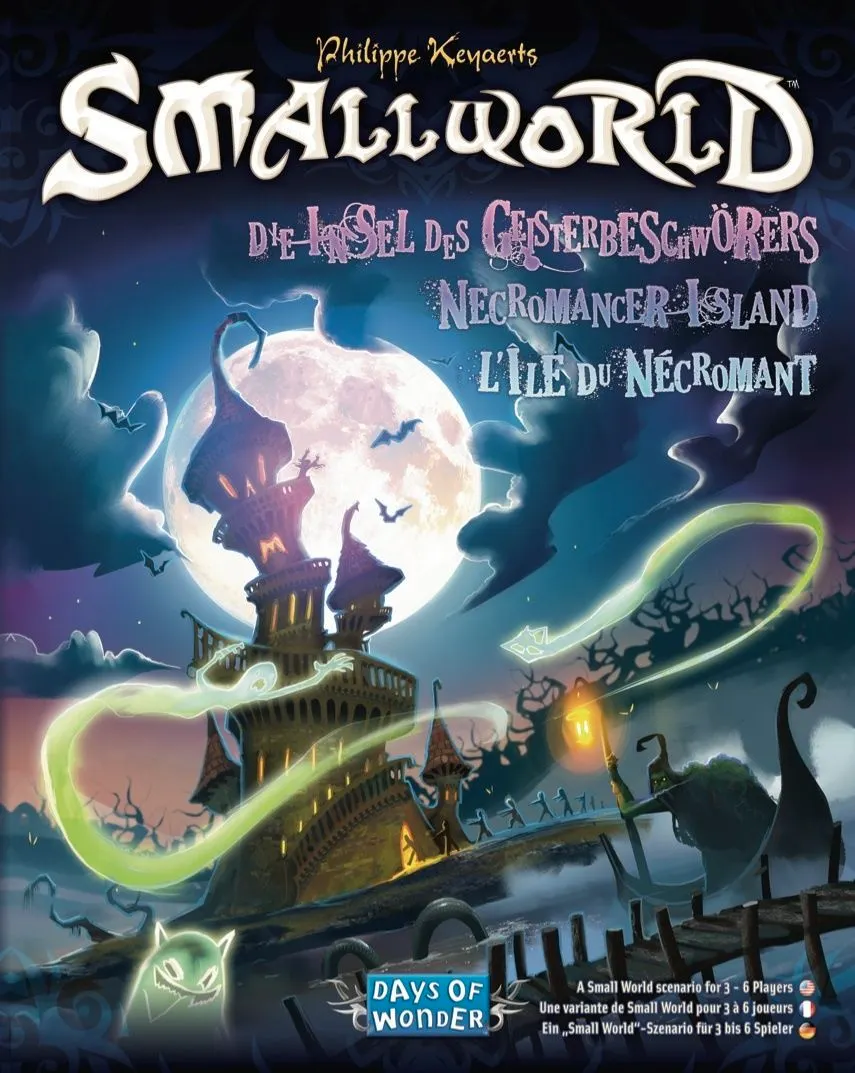
Ayuda con las reglas de Small World: Necromancer Island
Explicaciones claras de turnos, efectos de cartas y situaciones dudosas, con referencias a fuentes oficiales e historial de preguntas guardado.
¿Qué quieres saber?
Las respuestas salen del reglamento oficial, con la página para comprobarlo.
Small World: Necromancer Island es una expansión de Small World publicada en 2010 para 3–6 jugadores, con partidas de 40 a 80 minutos y a partir de 8 años. Fue diseñado por Philippe Keyaerts y sus mecánicas principales son Variable Player Powers, Area Movement y Dice Rolling.

En inglés
Publisher blurb: A Small World Scenario for 3 to 6 players At first no one noticed the small island on the lake - nor paid any attention to the gnarly pretense of a man who drifted onto it, sitting astride a wooden log with a huge grimoire on his lap employing a shovel as his unlikely paddle. A ghastly green mist soon shrouded the island, wrapping it in a ghostly silence pierced only by a maniacal laughter and some intermittent curses. Then, one moonlit night, an impossibly crooked tower emerged high above the mist, casting a long and dark shadow on the surrounding land... The Necromancer had arrived! In Necromancer Island, one of the players assumes the role of a dreaded Necromancer who inhabits an island in the center of Small World's central Lake region. He captures the souls of all Race tokens lost to conquests, using them to progressively spawn Ghosts who invade the surrounding Regions. To make matters worse, his Powers grow as his reach across the land increases. If the Necromancer succeeds in bringing all of his Ghosts into play, anytime before the game's end, he wins!
Según el catálogo, Small World: Necromancer Island admite de 3 a 6 jugadores. Este intervalo corresponde al número de jugadores indicado por la editorial, así que el juego puede prepararse para cualquier grupo dentro de ese margen. La preparación, algunas reglas y la puntuación pueden variar según el número de jugadores; consulta la configuración exacta en el reglamento de tu edición.
La duración indicada para Small World: Necromancer Island es de 40 a 80 minutos, la estimación de la editorial para una partida completa. El tiempo real depende del grupo, del número de jugadores y del conocimiento de las reglas: las primeras partidas suelen alargarse y los grupos con experiencia terminan antes. La preparación y la explicación de las reglas no están incluidas.
El catálogo indica Small World: Necromancer Island a partir de 8 años. Es la recomendación de la editorial y refleja la lectura necesaria, la complejidad de las reglas y las piezas pequeñas, no solo el tema. Los más pequeños a menudo pueden jugar con ayuda de un adulto: comprueba la edad recomendada en tu edición y la experiencia de tu grupo.
Small World: Necromancer Island tiene una puntuación de complejidad de 2,2 sobre 5 según los jugadores de BoardGameGeek, lo que lo convierte en un juego algo ligero. La puntuación refleja cuánto conocimiento de reglas, planificación y toma de decisiones exige una partida típica. Los juegos exigentes requieren una explicación inicial más larga, así que conviene usar una guía de preparación.
Small World: Necromancer Island pertenece a estas categorías: Fantasy, Fighting y Territory Building. Sus mecánicas principales son Variable Player Powers, Area Movement y Dice Rolling. Las categorías describen el tema y la ambientación de un juego, mientras que las mecánicas describen lo que los jugadores hacen realmente en su turno. Cada mecánica lleva a una página del catálogo con juegos similares.
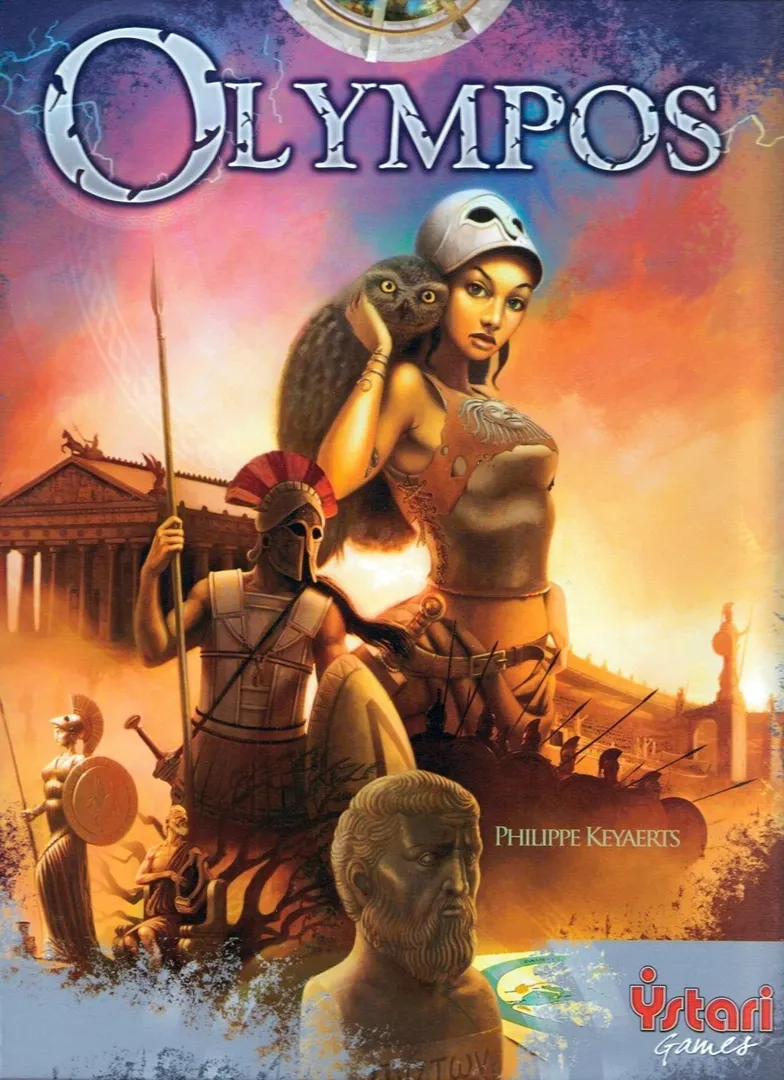
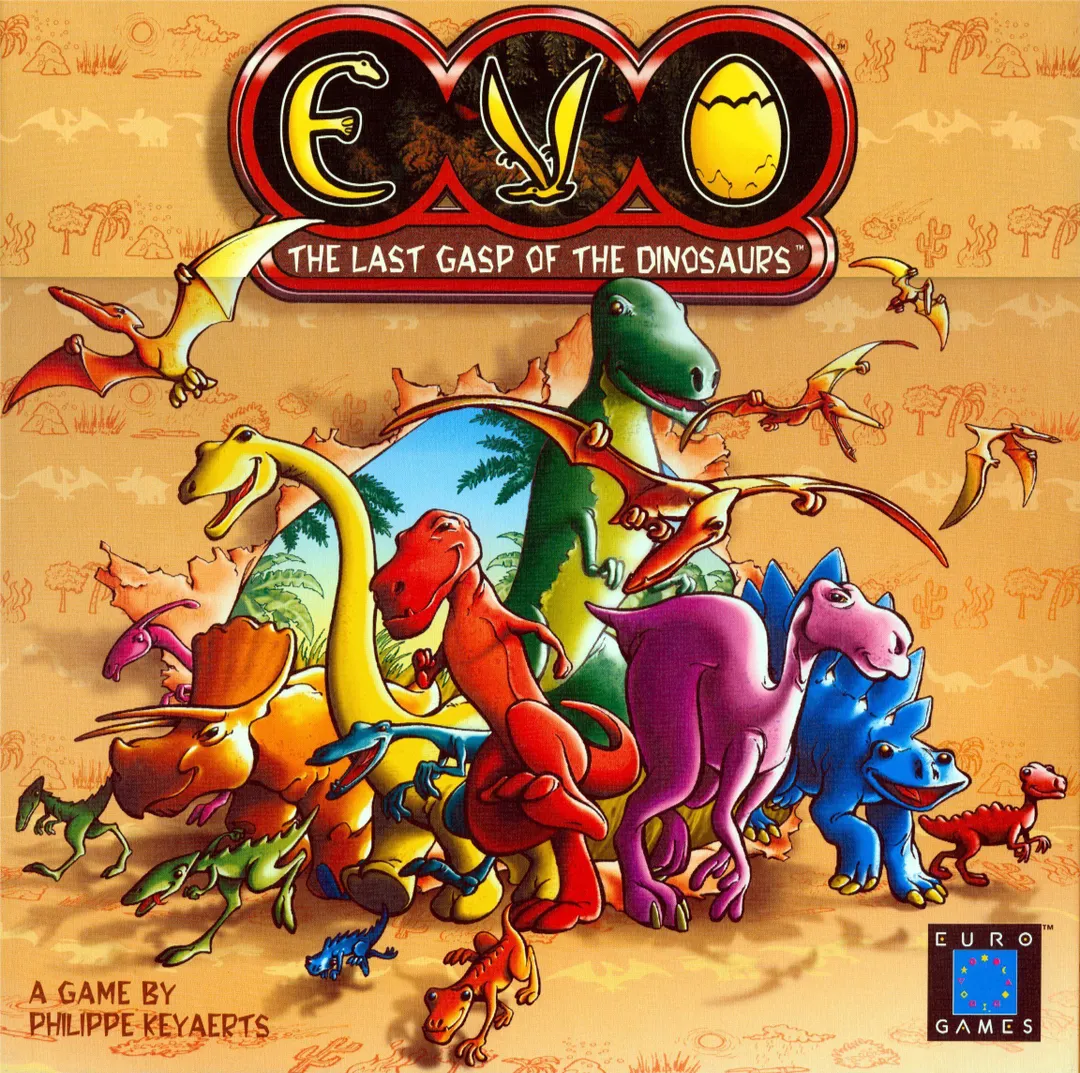
Los autores acreditados de Small World: Necromancer Island son: Philippe Keyaerts. Estos créditos proceden de los datos publicados del juego y nombran a las personas responsables de su diseño, no a ilustradores ni editoriales. Las páginas de autor de MeepleRules reúnen otros títulos de los mismos autores, algo útil cuando un juego te gusta y buscas otros parecidos.
El catálogo clasifica Small World: Necromancer Island como expansión de Small World. Las expansiones añaden contenido, reglas o escenarios al juego base y normalmente no se pueden jugar solas, así que necesitas Small World para usarla. Comprueba que tu edición de Small World sea compatible, porque algunas expansiones se revisaron entre ediciones.