
- Puntuación BGG
- 7,0
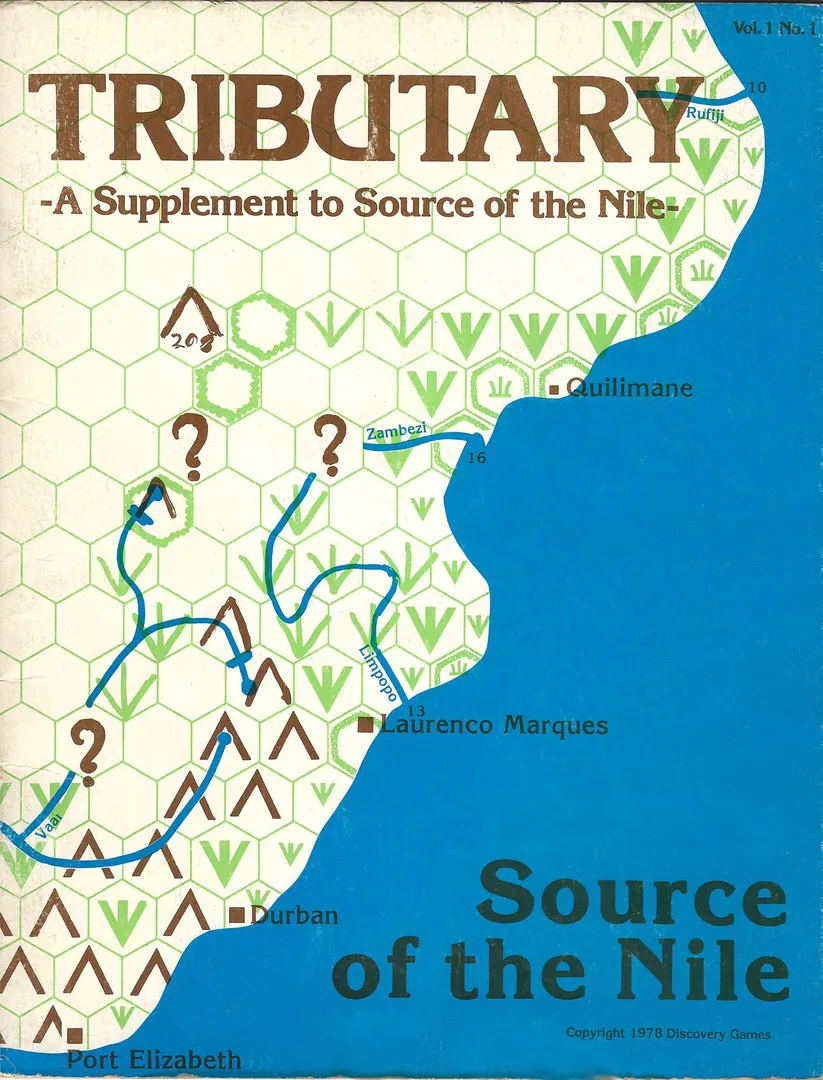
Source of the Nile: Tributary
- 1–6 jugadores
- 180 min
- Complejidad 2,8/5
- 1978
1978
Ayuda con las reglas de Source of the Nile
Explicaciones claras de turnos, efectos de cartas y situaciones dudosas, con referencias a fuentes oficiales e historial de preguntas guardado.
Para 1 jugador
¿Qué quieres saber?
Las respuestas salen del reglamento oficial, con la página para comprobarlo.
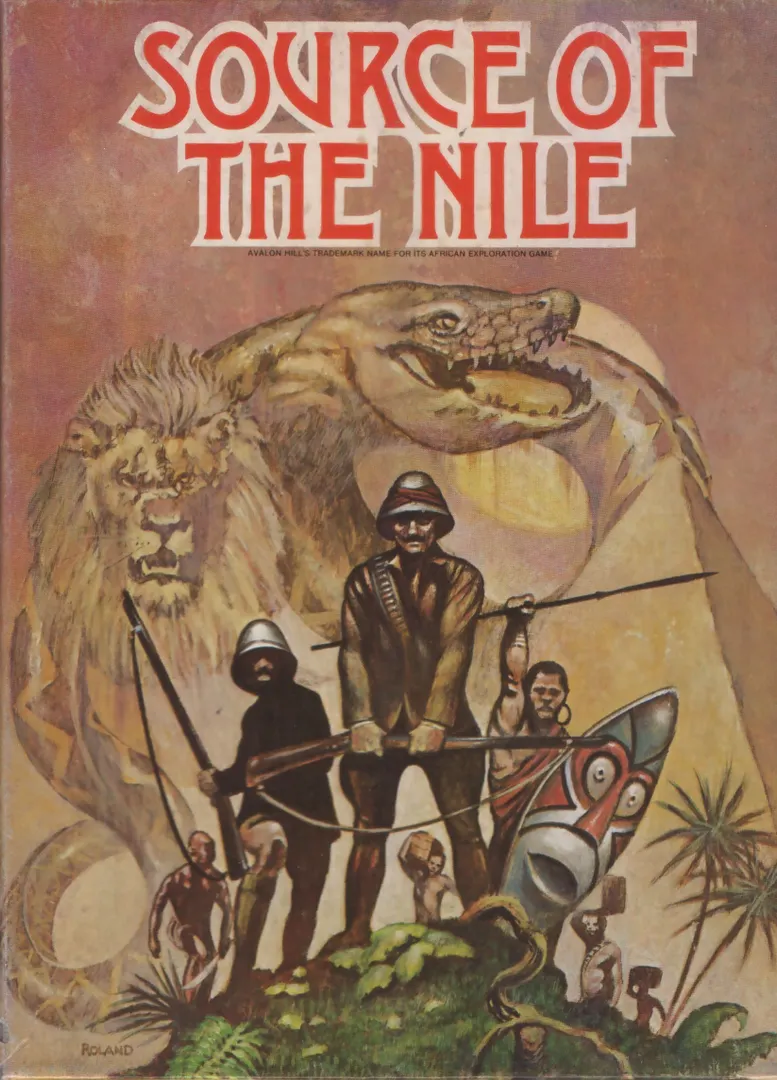
Source of the Nile es un juego de mesa publicado en 1978 para 1–6 jugadores, con partidas de 180 minutos y a partir de 12 años. Fue diseñado por Ross Maker y Dave Wesely y sus mecánicas principales son Dice Rolling, Variable Set-up y Paper-and-Pencil.












En inglés
Designed to be an educational and challenging game in which players compete primarily with Nature and with each other, luck tends to be an element in the game, but can be overcome by careful play. Because the situation is forever changing, there is no single best strategy; however, players must weigh risks against gains with every decision they make and good judgment will pay off. The game is played on a mapboard showing Africa from Khartoum to Capetown and Lagos to Mombasa. The periphery of this map, showing the territory known ca. 1820, is filled-in; the center is blank. A hexagonal grid is superimposed on the map to regulate movement and to delimit territory explored. In the course of play, each player moves a token (representing his explorer) from explored hexagons to blank hexagons one at a time.; terrain, native tribes and other discoveries within the hexagons are then semi-randomly determined, with allowance made for previous discoveries in adjacent hexagons. The player interacts with the discoveries (e.g. negotiates with new natives for guides) and records them on the mapboard using wax crayons. The mapboard surface is erasable. If the explorer dies before returning to Europe to publish his discoveries, all hexagons which only he has explored will be erased and "subsequent explorers will find that his discoveries were only rumors"; i.e., when other players explore the erased hexagons later they will have to generate new discoveries there. When explorers do return to civilization, however, they may publish their discoveries, after which they are safe from erasure. Players may also emulate real explorers by withholding some of their discoveries since they will enjoy some advantages when moving through terrain or dealing with natives known only to them. Points are scored for discoveries as they are published and once scored will not be lost if the explorer dies or is retired by his player. A player may retire his explorer at any time and then start a new explorer in Europe. Before each trip to Africa, explorers will have to raise money to support their expedition. New explorers with no discoveries to their credit must do this by drawing chance cards for several turns until they feel their finances are adequate. Experienced explorers can accelerate this process by publishing discoveries, which allow them to draw additional chance cards.
Según el catálogo, Source of the Nile admite de 1 a 6 jugadores. Este intervalo corresponde al número de jugadores indicado por la editorial, así que el juego puede prepararse para cualquier grupo dentro de ese margen. La preparación, algunas reglas y la puntuación pueden variar según el número de jugadores; consulta la configuración exacta en el reglamento de tu edición.
La duración indicada para Source of the Nile es de 180 minutos, la estimación de la editorial para una partida completa. El tiempo real depende del grupo, del número de jugadores y del conocimiento de las reglas: las primeras partidas suelen alargarse y los grupos con experiencia terminan antes. La preparación y la explicación de las reglas no están incluidas.
El catálogo indica Source of the Nile a partir de 12 años. Es la recomendación de la editorial y refleja la lectura necesaria, la complejidad de las reglas y las piezas pequeñas, no solo el tema. Los más pequeños a menudo pueden jugar con ayuda de un adulto: comprueba la edad recomendada en tu edición y la experiencia de tu grupo.
Source of the Nile tiene una puntuación de complejidad de 2,9 sobre 5 según los jugadores de BoardGameGeek, lo que lo convierte en un juego algo ligero. La puntuación refleja cuánto conocimiento de reglas, planificación y toma de decisiones exige una partida típica. Los juegos exigentes requieren una explicación inicial más larga, así que conviene usar una guía de preparación.
Source of the Nile pertenece a estas categorías: Exploration y Post-Napoleonic. Sus mecánicas principales son Dice Rolling, Variable Set-up y Paper-and-Pencil. Las categorías describen el tema y la ambientación de un juego, mientras que las mecánicas describen lo que los jugadores hacen realmente en su turno. Cada mecánica lleva a una página del catálogo con juegos similares.
Los autores acreditados de Source of the Nile son: Ross Maker y Dave Wesely. Estos créditos proceden de los datos publicados del juego y nombran a las personas responsables de su diseño, no a ilustradores ni editoriales. Las páginas de autor de MeepleRules reúnen otros títulos de los mismos autores, algo útil cuando un juego te gusta y buscas otros parecidos.
El catálogo clasifica Source of the Nile como juego base. Se juega por sí solo con los componentes de la caja y no requiere ningún otro título. Las expansiones, si existen, añaden contenido o reglas nuevas y aparecen por separado en el catálogo con un enlace a este juego base.