
- Puesto en BGG
- BGG #9223
- Puntuación BGG
- 6,3
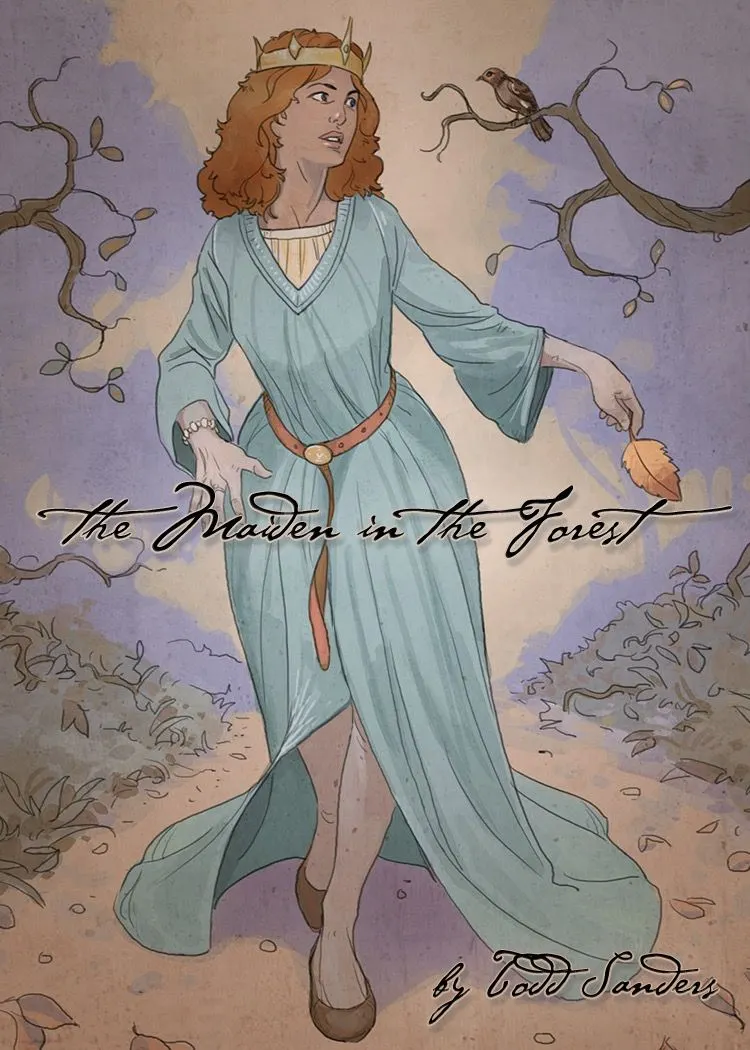
The Maiden in the Forest
- 1 jugador
- 15 min
- Complejidad 1,7/5
- 2015
2014
Ayuda con las reglas de The Draugr
Explicaciones claras de turnos, efectos de cartas y situaciones dudosas, con referencias a fuentes oficiales e historial de preguntas guardado.
Para 1 jugador
¿Qué quieres saber?
Las respuestas salen del reglamento oficial, con la página para comprobarlo.
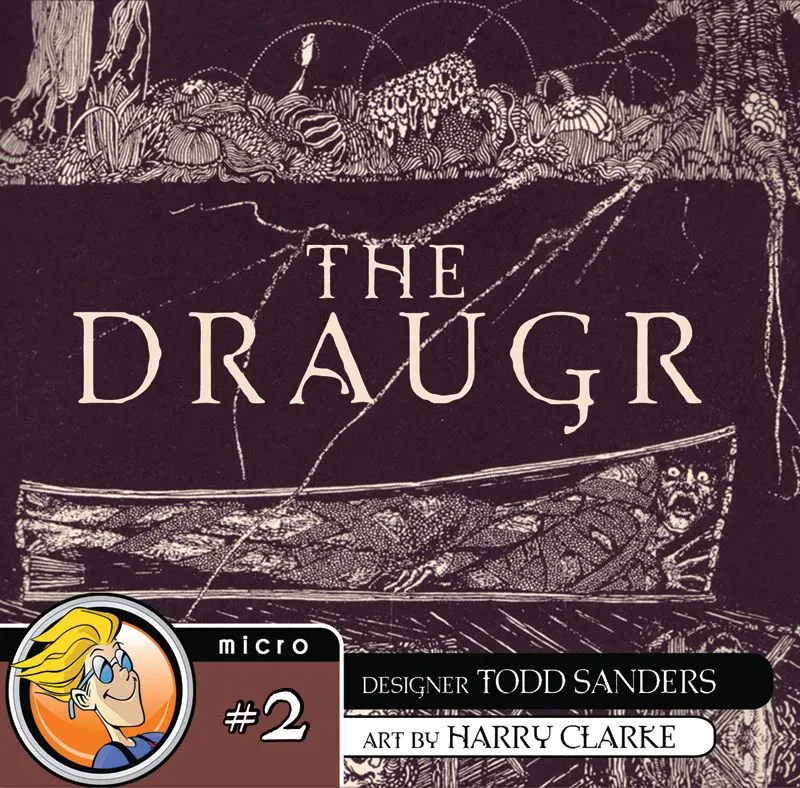
The Draugr es un juego de mesa publicado en 2014 para 1 jugador, con partidas de 20 minutos y a partir de 10 años. Fue diseñado por Todd Sanders y sus mecánicas principales son Dice Rolling, Area Majority / Influence y Modular Board.

En inglés
The Draugr, reanimated dead imbued with magical powers, have come to the region of Trøndelag seeking to corrupt the town of Stjørdal. Only you, a lone revenant hunter, can protect the town and slay they who walk again. Armed with limited supply of holy water and iron spikes you enter the town square and prepare for the coming onslaught. The Draugr is a solitaire game playing in about 20 minutes. To Win: You must slay 4 of the 6 Draugr. To Lose: If at anytime during Phase 1 all 7 Townspeople, or more than 7 of the cards (a combination of Townspeople and Locations) are corrupted you lose. Playing the Game: The game is played in rounds consisting of two phases: Corruption and Hunt. Phase 1 - Corruption Roll the six-sided die once to see which Draugr will hold sway over Stjørdal for the round and will corrupt Locations and Townspeople in the row they are adjacent to, matching the die face to the image on a Draugr Card. Roll the die a second time and look at the symbol in the upper left corner of the die. Place a Corruption Marker on each card in that Draugr’s row with the matching Corruption Sigil. (See the section on the Shepherdess for protection from this rule.) If a Townsperson card has been turned over you do not need to place additional Corruption Markers on the card. Phase 2 - The Hunt You must now move your player marker up to two adjacent cards in distance (The Nunnery and Foundry are the only two cards to supersede this rule). All movement is orthogonal (horizontally and vertically). Once you have finished moving you may choose a Special Action of that Townsperson or Location. Some cards have only 1 Special Action, some allow for a choice between 2 Special Actions. You do not have to choose a Special Action if you do not wish to. If you land on a Townsperson card that has been turned over, no Special Action can be chosen. If a Special Action allows you to place Holy Water or Iron Markers on a Draugr, take one from your supply on the Town Square card and place it on a Draugr of your choice. If you match the number of markers as indicated in the upper left of the Draugr card, that Draugr is slain and removed from the game. Return all Holy Water and Iron Markers on that Draugr to your supply. Once a Draugr is slain and their card removed, slide one of the adjacent Draugr cards up or down so that is partially spans either 2 rows (or if 2 Draugr have been slain, 3 rows). The Draugr now holds sway over 10 (or 15) cards for rolls during the Corruption Phase. If you slay all 3 Draugr on one side, no further Draugr are moved to replace those slain. Game End: If you are able to slay 4 of the 6 Draugr you are successful and the other Draugr are forced to flee. If at anytime during Phase 1 all the Townspeople, or more than 7 of the cards (a combination of Townspeople and Locations) are corrupted you lose.
Según el catálogo, The Draugr admite 1 jugador. Es el número de jugadores indicado por la editorial, así que el juego está diseñado exactamente para esa cantidad de participantes. Las variantes para otros tamaños de grupo, si existen, se describen en el reglamento de tu edición; consúltalo antes de preparar otra configuración.
La duración indicada para The Draugr es de 20 minutos, la estimación de la editorial para una partida completa. El tiempo real depende del grupo, del número de jugadores y del conocimiento de las reglas: las primeras partidas suelen alargarse y los grupos con experiencia terminan antes. La preparación y la explicación de las reglas no están incluidas.
El catálogo indica The Draugr a partir de 10 años. Es la recomendación de la editorial y refleja la lectura necesaria, la complejidad de las reglas y las piezas pequeñas, no solo el tema. Los más pequeños a menudo pueden jugar con ayuda de un adulto: comprueba la edad recomendada en tu edición y la experiencia de tu grupo.
The Draugr tiene una puntuación de complejidad de 1,7 sobre 5 según los jugadores de BoardGameGeek, lo que lo convierte en un juego ligero. La puntuación refleja cuánto conocimiento de reglas, planificación y toma de decisiones exige una partida típica. Los juegos exigentes requieren una explicación inicial más larga, así que conviene usar una guía de preparación.
The Draugr pertenece a estas categorías: Card Game, Print & Play y Dice. Sus mecánicas principales son Dice Rolling, Area Majority / Influence y Modular Board. Las categorías describen el tema y la ambientación de un juego, mientras que las mecánicas describen lo que los jugadores hacen realmente en su turno. Cada mecánica lleva a una página del catálogo con juegos similares.
Los autores acreditados de The Draugr son: Todd Sanders. Estos créditos proceden de los datos publicados del juego y nombran a las personas responsables de su diseño, no a ilustradores ni editoriales. Las páginas de autor de MeepleRules reúnen otros títulos de los mismos autores, algo útil cuando un juego te gusta y buscas otros parecidos.
El catálogo clasifica The Draugr como juego base. Se juega por sí solo con los componentes de la caja y no requiere ningún otro título. Las expansiones, si existen, añaden contenido o reglas nuevas y aparecen por separado en el catálogo con un enlace a este juego base.