
- Puesto en BGG
- BGG #24
- Puntuación BGG
- 8,1
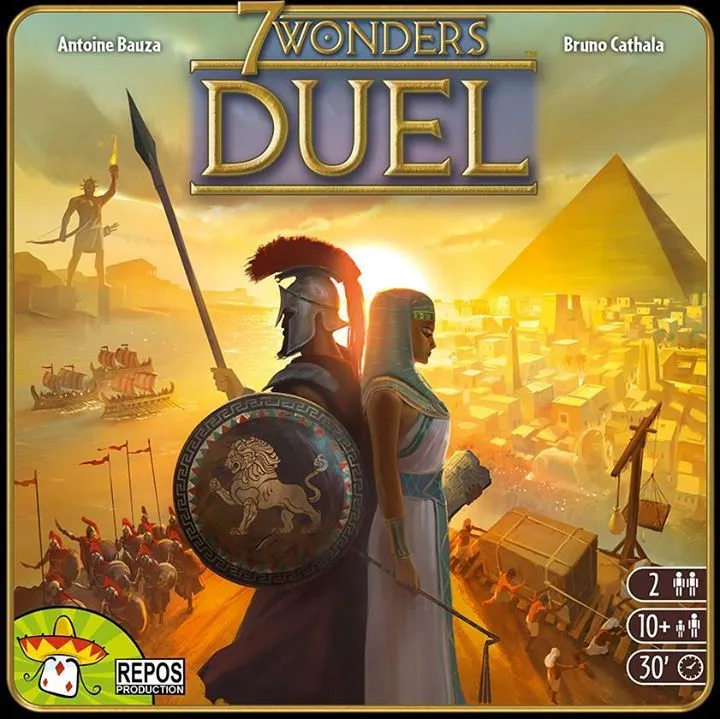
7 Wonders Duel
- 2 jugadores
- 30 min
- Complejidad 2,2/5
- 2015
2018
Ayuda con las reglas de The Sands of Time
Explicaciones claras de turnos, efectos de cartas y situaciones dudosas, con referencias a fuentes oficiales e historial de preguntas guardado.
Para 2 jugadores
¿Qué quieres saber?
Las respuestas salen del reglamento oficial, con la página para comprobarlo.
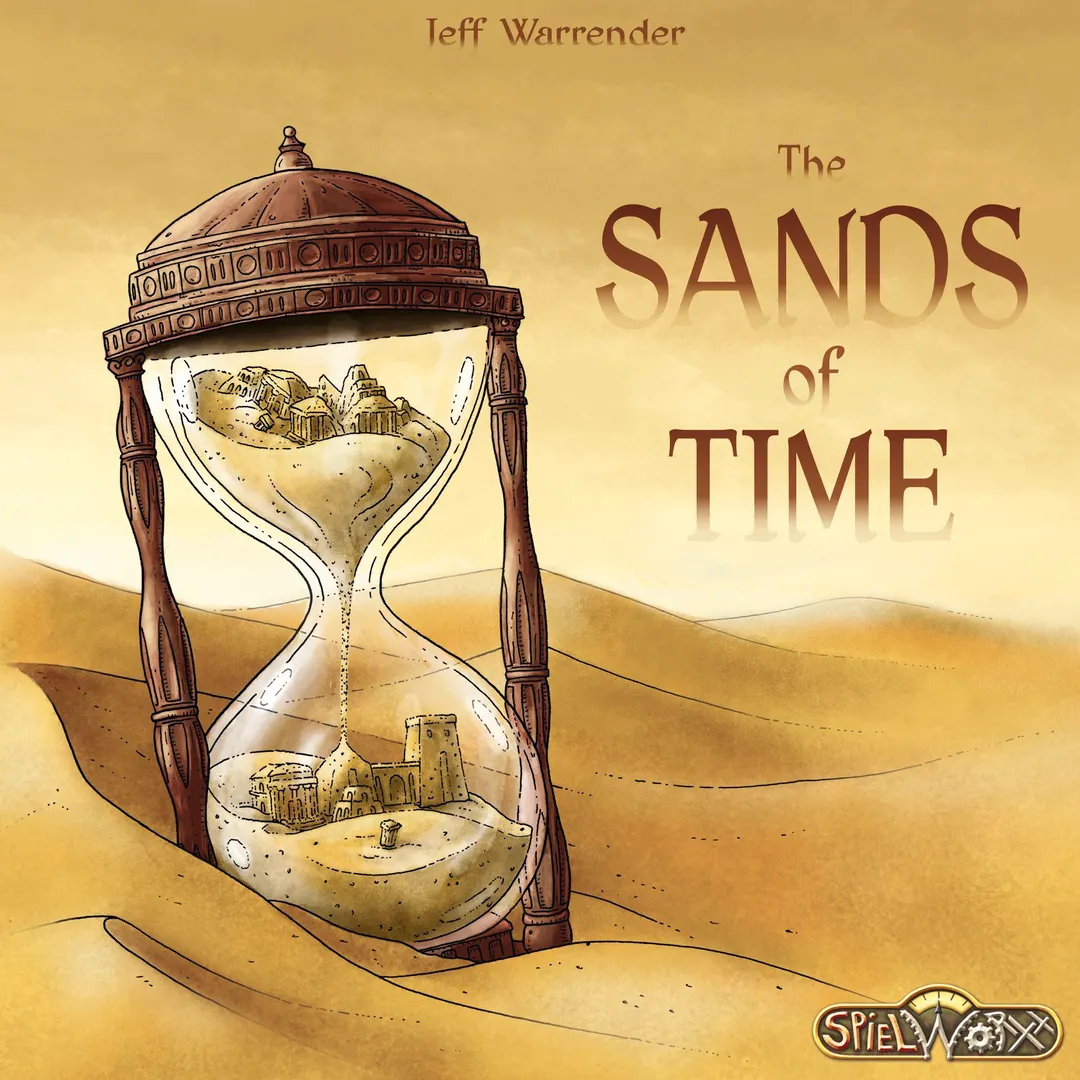
The Sands of Time es un juego de mesa publicado en 2018 para 2–5 jugadores, con partidas de 120 a 180 minutos y a partir de 12 años. Fue diseñado por Jeff Warrender y sus mecánicas principales son Hand Management, Income y Dice Rolling.



En inglés
The sands of time sweep across the ages, burying the cities and monuments of civilizations, leaving only whispers of the glory of ancient societies. The Sands of Time is a civilization-building game set loosely in classical antiquity, on a board inspired by a Roman-era map. Each player rules over a civilization in the ancient world, attempting exploits that will be remembered long after the civilization has withered. Each turn, players will select two action cards, which represent edicts delivered by the player to his populace, announcing what aspects of the empire he/she wishes to address: building structures, implementing advances, migrating population, initiating combat, annexing new territories, instituting reforms to manage the empire’s unrest, building trade routes, demanding tribute, and -- crucially –- recording Chronicles about his/her reign. The central element of the game's scoring system, Chronicle cards represent claims of great accomplishments. To score a chronicle, the player must have a "heritage" level commensurate with the claim he/she is making: claims of great works will only be believed and perpetuated if the player's civilization has established a reputation in the relevant civilization category (cultural, civil, or political). Actions generally require the payment of resources (crops or gold), and action costs correlate either to the player's empire size or the player's Unrest level. Unrest increases when a player's territories become too crowded, or when a player re-uses an action card, or when a player voluntarily presses on his populace to squeeze additional productivity out of them. Managing Unrest is a central concern for the player throughout the game. Players must strike the right balance between competition and peaceful interaction with their neighbors, to propel their civilizations from insignificant, forgettable kingdoms into empires worthy of the attention of historians!
Según el catálogo, The Sands of Time admite de 2 a 5 jugadores. Este intervalo corresponde al número de jugadores indicado por la editorial, así que el juego puede prepararse para cualquier grupo dentro de ese margen. La preparación, algunas reglas y la puntuación pueden variar según el número de jugadores; consulta la configuración exacta en el reglamento de tu edición.
La duración indicada para The Sands of Time es de 120 a 180 minutos, la estimación de la editorial para una partida completa. El tiempo real depende del grupo, del número de jugadores y del conocimiento de las reglas: las primeras partidas suelen alargarse y los grupos con experiencia terminan antes. La preparación y la explicación de las reglas no están incluidas.
El catálogo indica The Sands of Time a partir de 12 años. Es la recomendación de la editorial y refleja la lectura necesaria, la complejidad de las reglas y las piezas pequeñas, no solo el tema. Los más pequeños a menudo pueden jugar con ayuda de un adulto: comprueba la edad recomendada en tu edición y la experiencia de tu grupo.
The Sands of Time tiene una puntuación de complejidad de 4,2 sobre 5 según los jugadores de BoardGameGeek, lo que lo convierte en un juego exigente. La puntuación refleja cuánto conocimiento de reglas, planificación y toma de decisiones exige una partida típica. Los juegos exigentes requieren una explicación inicial más larga, así que conviene usar una guía de preparación.
The Sands of Time pertenece a estas categorías: Ancient y Civilization. Sus mecánicas principales son Hand Management, Income y Dice Rolling. Las categorías describen el tema y la ambientación de un juego, mientras que las mecánicas describen lo que los jugadores hacen realmente en su turno. Cada mecánica lleva a una página del catálogo con juegos similares.
Los autores acreditados de The Sands of Time son: Jeff Warrender. Estos créditos proceden de los datos publicados del juego y nombran a las personas responsables de su diseño, no a ilustradores ni editoriales. Las páginas de autor de MeepleRules reúnen otros títulos de los mismos autores, algo útil cuando un juego te gusta y buscas otros parecidos.
El catálogo clasifica The Sands of Time como juego base. Se juega por sí solo con los componentes de la caja y no requiere ningún otro título. Las expansiones, si existen, añaden contenido o reglas nuevas y aparecen por separado en el catálogo con un enlace a este juego base.