- Puntuación BGG
- 7,9
Thunder Alley: Crew Chief Expansion
- 2–8 jugadores
- 60–90 min
- Complejidad 2,5/5
- 2016
2014
Ayuda con las reglas de Thunder Alley
Explicaciones claras de turnos, efectos de cartas y situaciones dudosas, con referencias a fuentes oficiales e historial de preguntas guardado.
Para 2 jugadores
¿Qué quieres saber?
Las respuestas salen del reglamento oficial, con la página para comprobarlo.
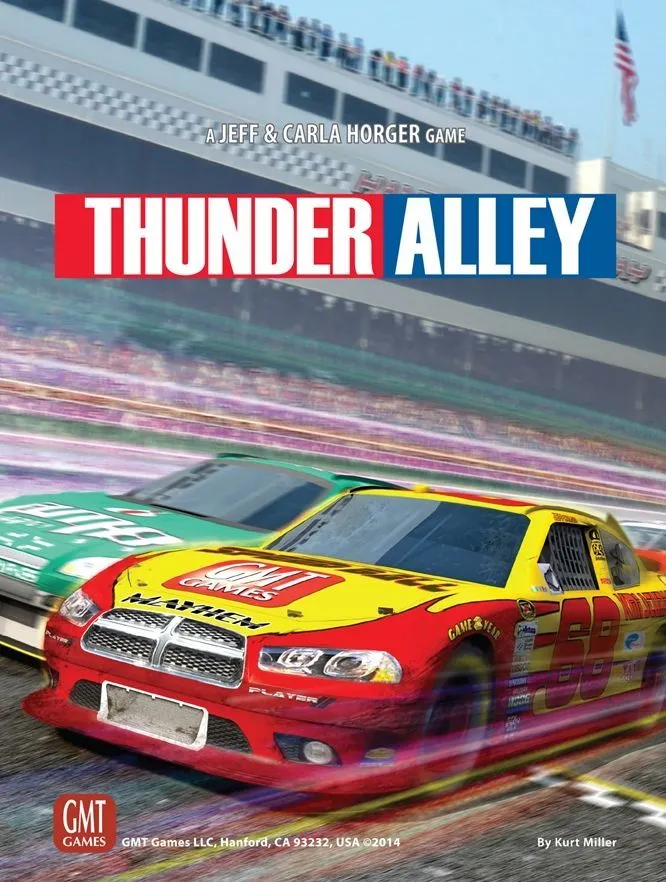
Thunder Alley es un juego de mesa publicado en 2014 para 2–7 jugadores, con partidas de 90 minutos y a partir de 10 años. Fue diseñado por Jeff Horger y Carla Horger y sus mecánicas principales son Hand Management, Race y Track Movement.
En inglés
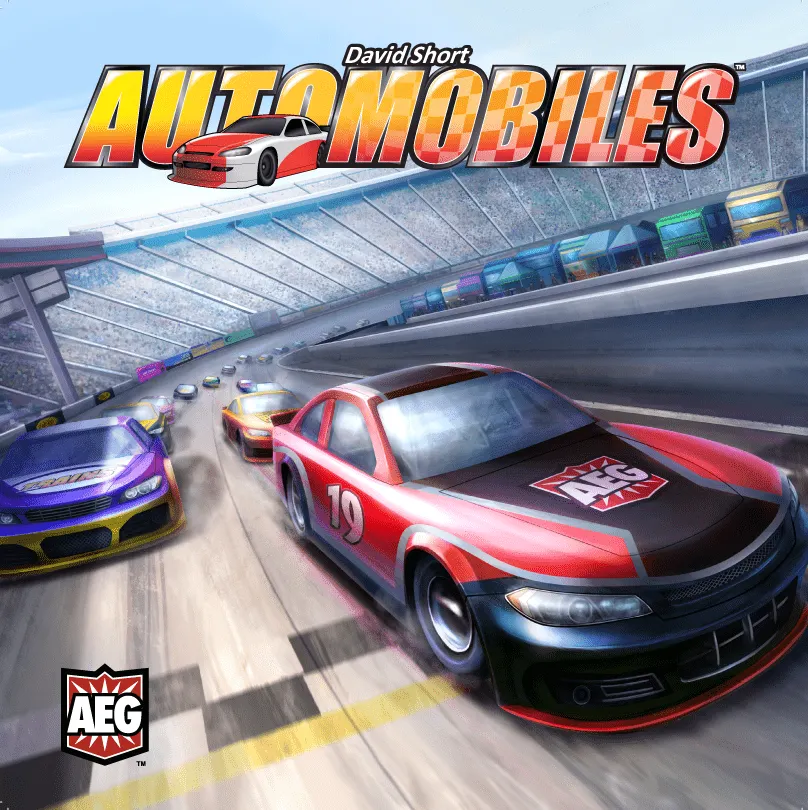
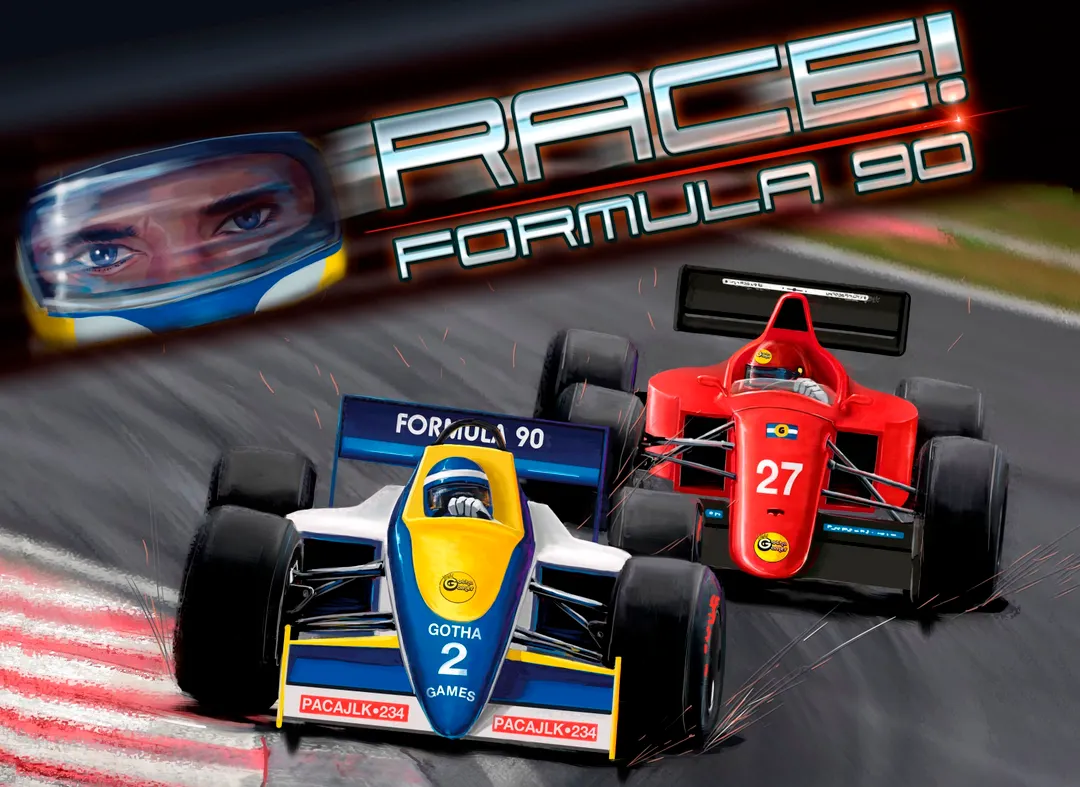
Thunder Alley is a stock car racing game for 2–7 players with the feel and flexibility of a card-driven simulation. Drafting, teamwork, accidents, yellow flags, pit strategy, working to lead laps, and sprints to the finish are all included and bring the feel of racing to the game. Players control not one car, but a team of 3–6 cars. Thus, each race is not only a run for the checkered flag but an effort to maximize the score for every car on your team. Winning is important, but if only one car crosses the finish line, your team might end up outside the winner's circle looking in. The game includes four different types of movement, often with many cars moving with the play of a single card, and each type has its place and time: Solo movement allows you to break away from the pack. Draft and pursuit movement are best used for keeping your team of cars together. Lead movement can create a pack of cars that moves toward the front. Turns are fast, each play is important, and the track situation is fluid. The wrong movement in the wrong situation can be disastrous, with you possibly being left out of the draft and all alone. Experienced players will be able to identify the best type of movement for the current situation. Cars suffer wear over the course of a race and need to take pit stops. Tire wear, suspension difficulties, fuel issues, and major engine and transmission problems are all modeled in the game. If you feel lucky, you might try to hold it together just a little bit longer in hopes that a yellow flag will come out and cause a mass rush into the pits. Waiting on a yellow that never comes can be maddening as the rest of the pack moves by your worn-out car. What's more, an events deck can make your strategy pay off or punish you for your failure to take precautions. Accidents, yellow flags, worsening track situations, and deteriorating cars are all part of the game. Could all of your perfect strategy be derailed by those incoming rain clouds? Included in the game are four different race tracks: a tri-oval super speedway for wide-open free-wheeling racing and a short track for a tight wheel-to-wheel bumper car duel. Each track uses the same deck of racing cards but the cards that work best on one may be useless in the other. The game also includes a second board with a road course and and 3 turned (triangle) raceway. Most racing games call for a large number of players to play the game at its best. An unusual bonus for Thunder Alley is the very playable and exciting two-player version with six cars on a side.
Según el catálogo, Thunder Alley admite de 2 a 7 jugadores. Este intervalo corresponde al número de jugadores indicado por la editorial, así que el juego puede prepararse para cualquier grupo dentro de ese margen. La preparación, algunas reglas y la puntuación pueden variar según el número de jugadores; consulta la configuración exacta en el reglamento de tu edición.
La duración indicada para Thunder Alley es de 90 minutos, la estimación de la editorial para una partida completa. El tiempo real depende del grupo, del número de jugadores y del conocimiento de las reglas: las primeras partidas suelen alargarse y los grupos con experiencia terminan antes. La preparación y la explicación de las reglas no están incluidas.
El catálogo indica Thunder Alley a partir de 10 años. Es la recomendación de la editorial y refleja la lectura necesaria, la complejidad de las reglas y las piezas pequeñas, no solo el tema. Los más pequeños a menudo pueden jugar con ayuda de un adulto: comprueba la edad recomendada en tu edición y la experiencia de tu grupo.
Thunder Alley tiene una puntuación de complejidad de 2,4 sobre 5 según los jugadores de BoardGameGeek, lo que lo convierte en un juego algo ligero. La puntuación refleja cuánto conocimiento de reglas, planificación y toma de decisiones exige una partida típica. Los juegos exigentes requieren una explicación inicial más larga, así que conviene usar una guía de preparación.
Thunder Alley pertenece a estas categorías: Racing y Sports. Sus mecánicas principales son Hand Management, Race y Track Movement. Las categorías describen el tema y la ambientación de un juego, mientras que las mecánicas describen lo que los jugadores hacen realmente en su turno. Cada mecánica lleva a una página del catálogo con juegos similares.
Los autores acreditados de Thunder Alley son: Jeff Horger y Carla Horger. Estos créditos proceden de los datos publicados del juego y nombran a las personas responsables de su diseño, no a ilustradores ni editoriales. Las páginas de autor de MeepleRules reúnen otros títulos de los mismos autores, algo útil cuando un juego te gusta y buscas otros parecidos.
El catálogo clasifica Thunder Alley como juego base. Se juega por sí solo con los componentes de la caja y no requiere ningún otro título. Las expansiones, si existen, añaden contenido o reglas nuevas y aparecen por separado en el catálogo con un enlace a este juego base.