
- Puesto en BGG
- BGG #1685
- Puntuación BGG
- 7,5
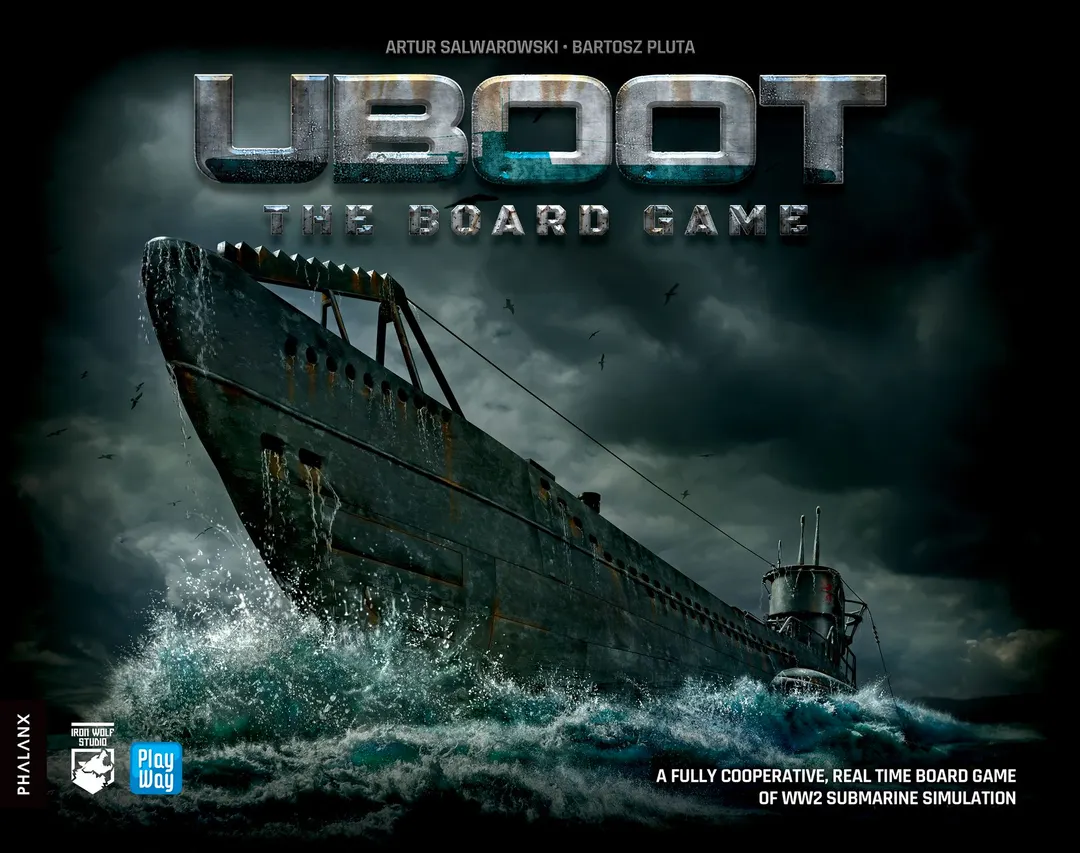
UBOOT: The Board Game
- 1–4 jugadores
- 30–120 min
- Complejidad 4,2/5
- 2019
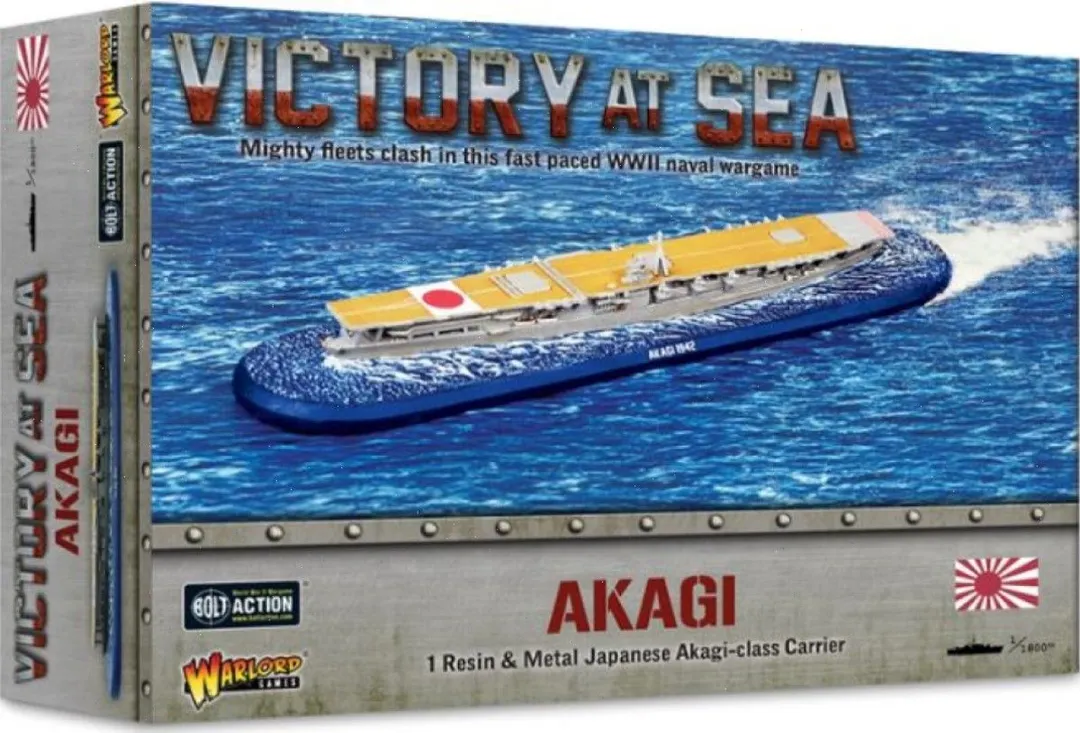
Ayuda con las reglas de Victory at Sea: Akagi
Explicaciones claras de turnos, efectos de cartas y situaciones dudosas, con referencias a fuentes oficiales e historial de preguntas guardado.
¿Qué quieres saber?
Las respuestas salen del reglamento oficial, con la página para comprobarlo.
Victory at Sea: Akagi es una expansión de Victory at Sea: Battle for the Pacific publicada en 2021 para 2 jugadores y a partir de 10 años. Sus mecánicas principales son Simulation.





En inglés
Originally laid down as an Amagi-class battlecruiser, the stipulations of the Washington Treaty resulted in her conversion to an aircraft carrier. As a result, Akagi (赤城, "Red Castle") was one of Japan’s first large aircraft carriers. Akagi and her near-sister Kaga straddled the line between carrier and dreadnought. To keep both options open, the ships were designed to be quickly converted to capital ships. They carried turret barbettes, magazines and other equipment to support big gun turrets, and the wooden flight deck and hangar deck were designed to be quickly stripped off, making room for turrets to be mounted. However, by the mid-1930s, the admirals believed the aircraft carrier to be the equal of the capital ship and Akagi was extensively rebuilt to improve aircraft handling capacity, ending any possibility of later converting it to a capital ship. Her aircraft served in the Second Sino-Japanese War in the late 1930s. With the formation of the First Air Fleet in 1941, she became its flagship, and remained so until her sinking. Notable actions include the attack on Pearl Harbor, the invasion of Rabaul, bombing Darwin, Australia and the Indian Ocean Raid. In June 1942, she participated in the Battle of Midway, her aircraft bombarding the American-held atoll. However, US aircraft originating from Midway, and the US carriers Enterprise, Hornet and Yorktown attacked Akagi and three other Japanese fleet carriers. Dive bombers from USS Enterprise severely damaged Akagi, forcing friendly escorting destroyers to scuttle her to avoid her falling into US hands. The loss of four Japanese carriers at this engagement, including Akagi, was a key defeat for Japan, decisively shifting the balance of power in the Pacific theatre. —description from the publisher
Según el catálogo, Victory at Sea: Akagi admite 2 jugadores. Es el número de jugadores indicado por la editorial, así que el juego está diseñado exactamente para esa cantidad de participantes. Las variantes para otros tamaños de grupo, si existen, se describen en el reglamento de tu edición; consúltalo antes de preparar otra configuración.
El catálogo indica Victory at Sea: Akagi a partir de 10 años. Es la recomendación de la editorial y refleja la lectura necesaria, la complejidad de las reglas y las piezas pequeñas, no solo el tema. Los más pequeños a menudo pueden jugar con ayuda de un adulto: comprueba la edad recomendada en tu edición y la experiencia de tu grupo.
Victory at Sea: Akagi pertenece a estas categorías: Wargame, Miniatures y Nautical. Sus mecánicas principales son Simulation. Las categorías describen el tema y la ambientación de un juego, mientras que las mecánicas describen lo que los jugadores hacen realmente en su turno. Cada mecánica lleva a una página del catálogo con juegos similares.
El catálogo clasifica Victory at Sea: Akagi como expansión de Victory at Sea: Battle for the Pacific. Las expansiones añaden contenido, reglas o escenarios al juego base y normalmente no se pueden jugar solas, así que necesitas Victory at Sea: Battle for the Pacific para usarla. Comprueba que tu edición de Victory at Sea: Battle for the Pacific sea compatible, porque algunas expansiones se revisaron entre ediciones.