
- Puntuación BGG
- 9,3
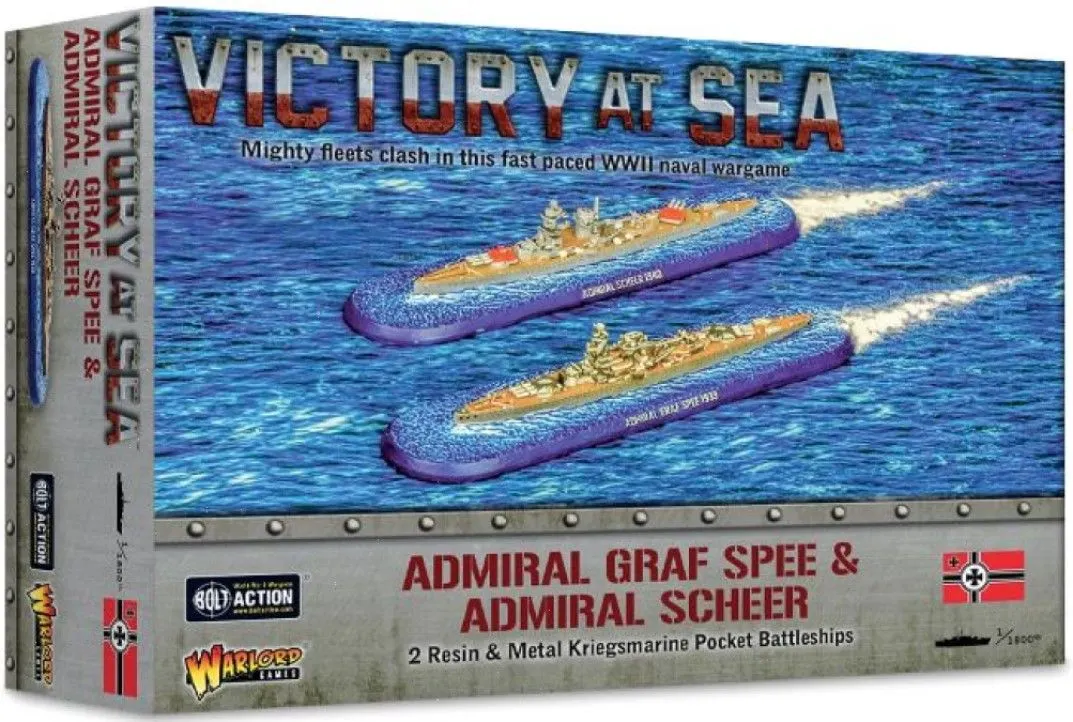
Victory at Sea: Admiral Graf Spee & Admiral Scheer
- 2 jugadores
- 2020
2020
Ayuda con las reglas de Victory at Sea: Battle for the Pacific
Explicaciones claras de turnos, efectos de cartas y situaciones dudosas, con referencias a fuentes oficiales e historial de preguntas guardado.
Para 2 jugadores
¿Qué quieres saber?
Las respuestas salen del reglamento oficial, con la página para comprobarlo.
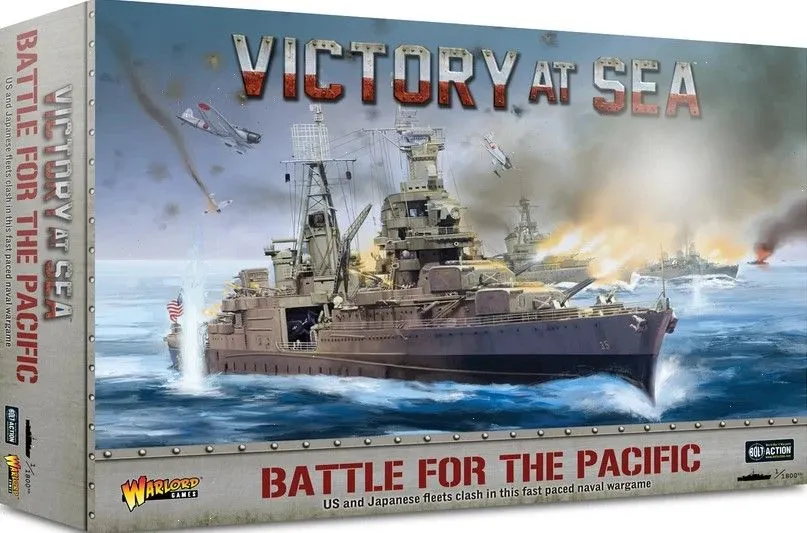
Victory at Sea: Battle for the Pacific es un juego de mesa publicado en 2020 a partir de 10 años. Fue diseñado por Matthew Sprange y sus mecánicas principales son Dice Rolling, Simulation y Line of Sight.




En inglés
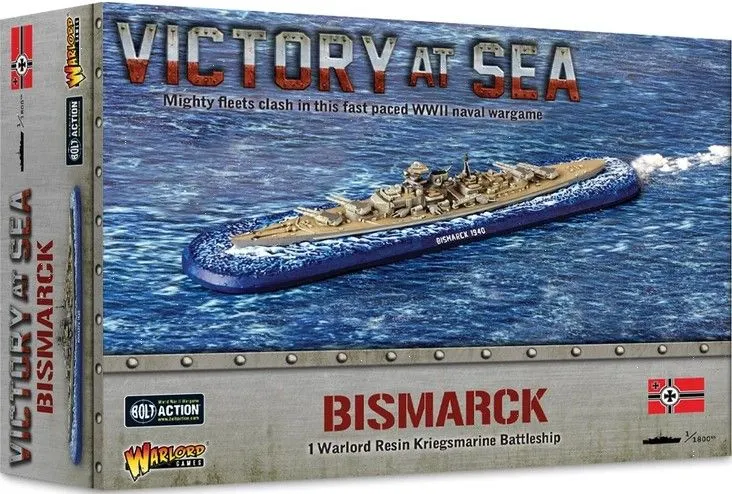
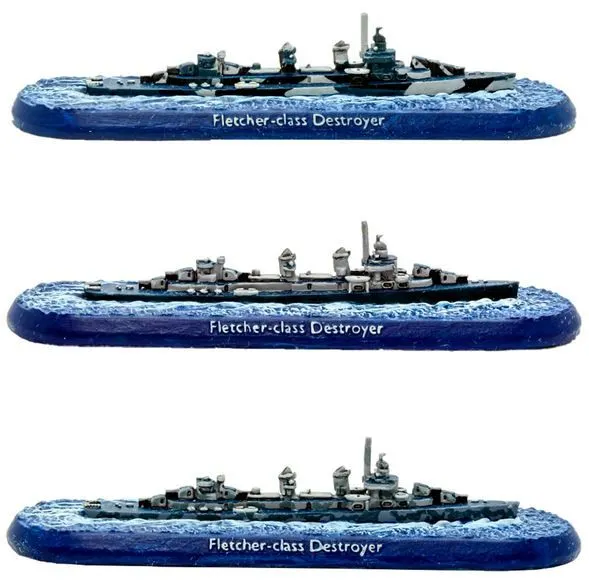
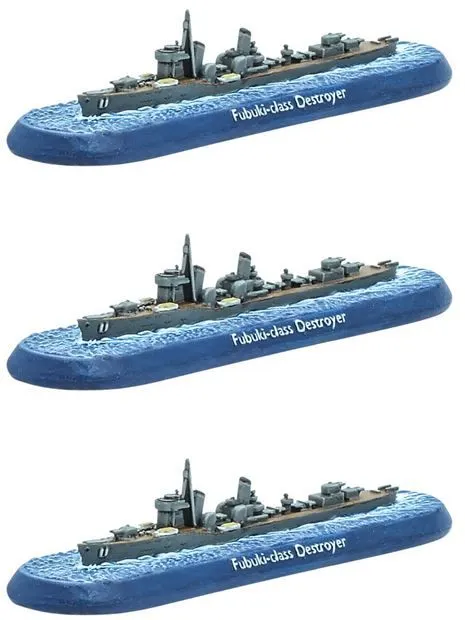
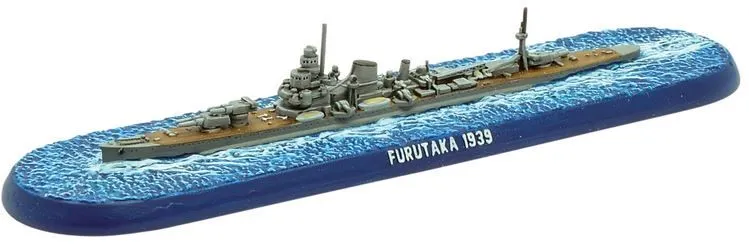
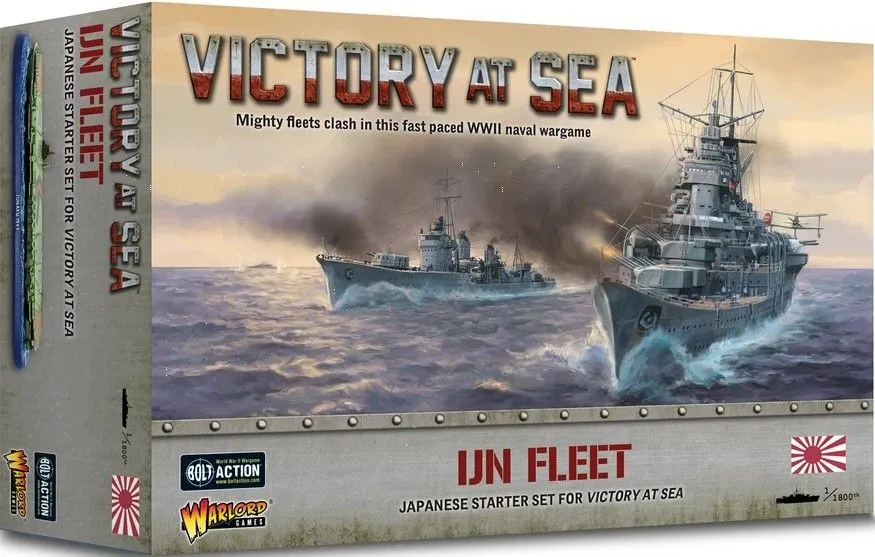
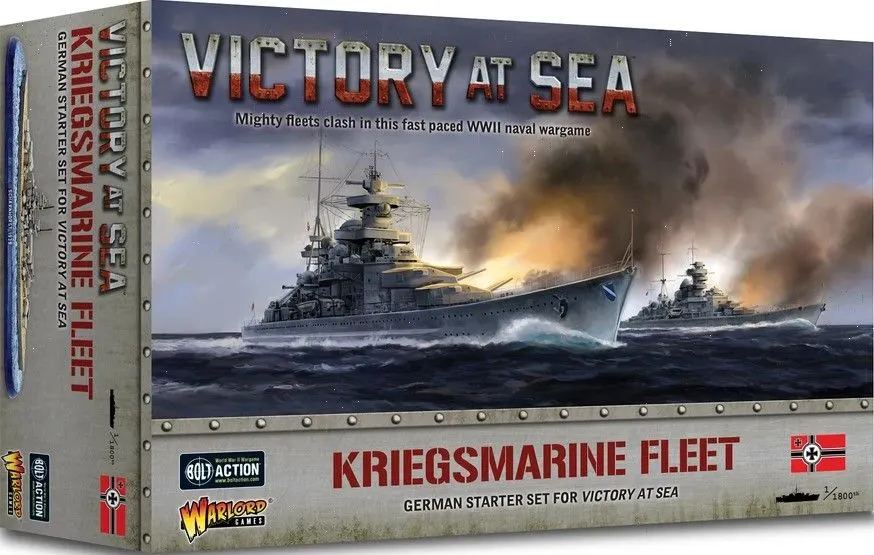
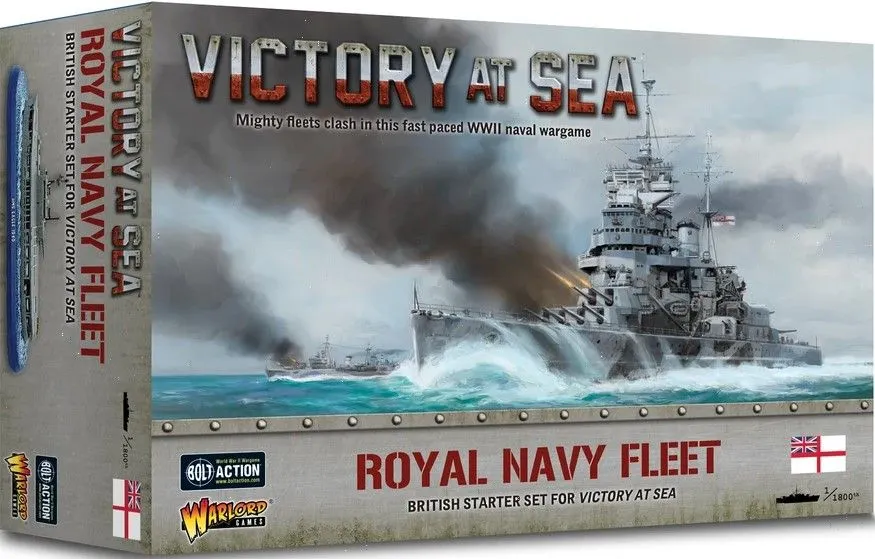
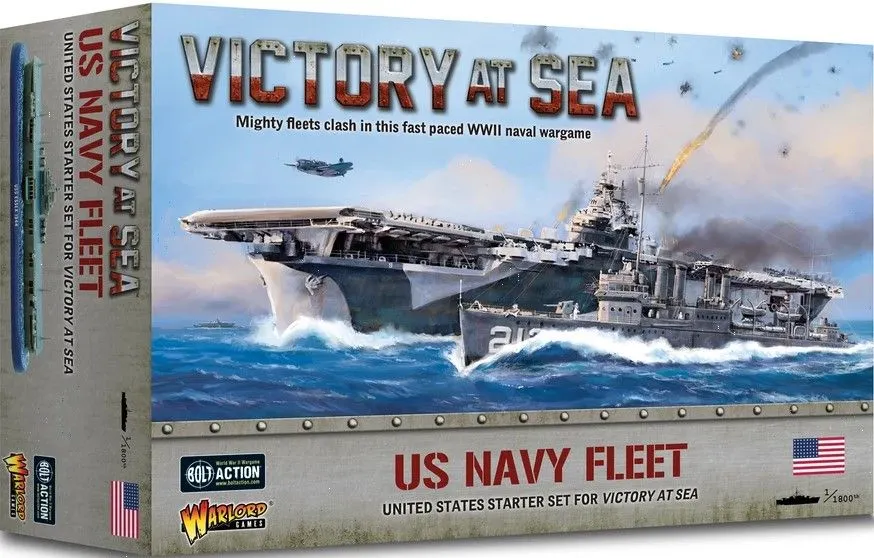
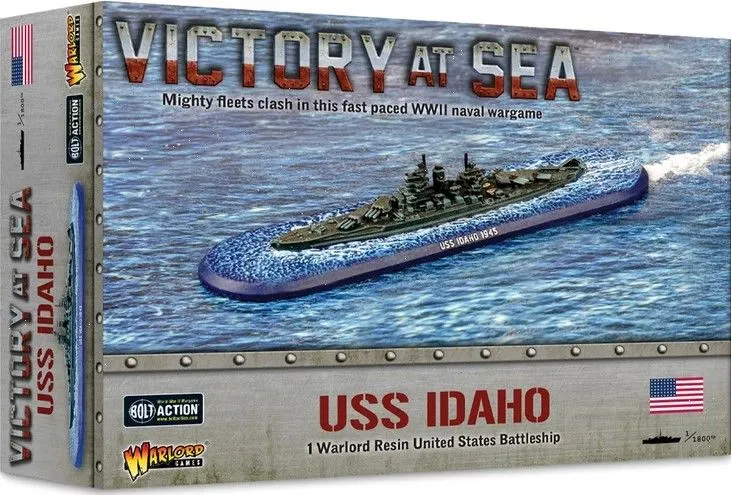
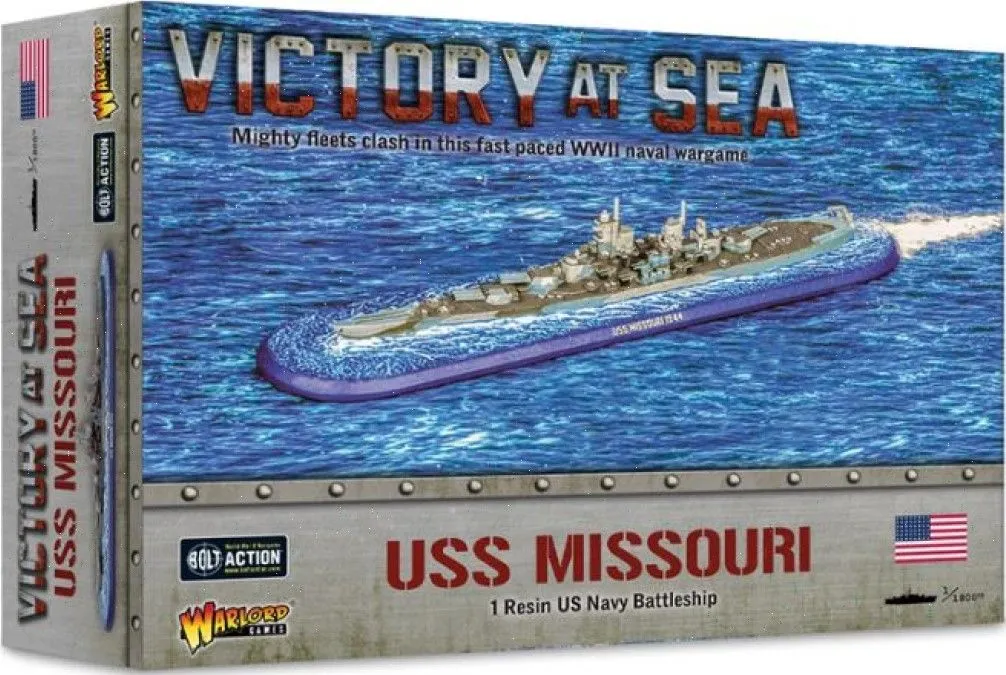
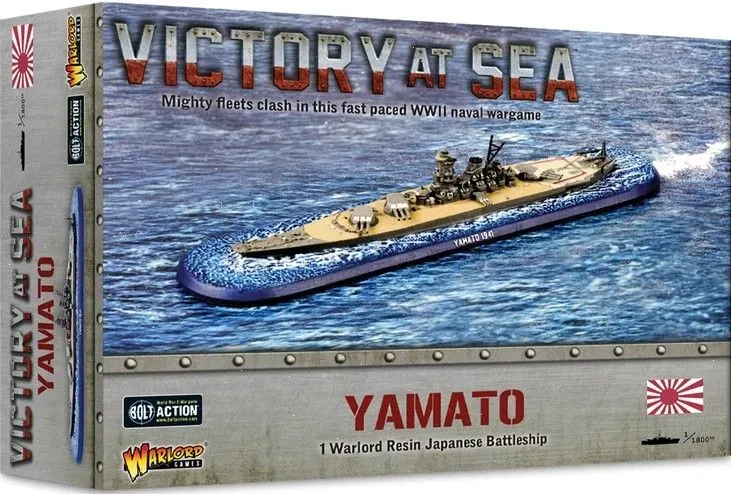
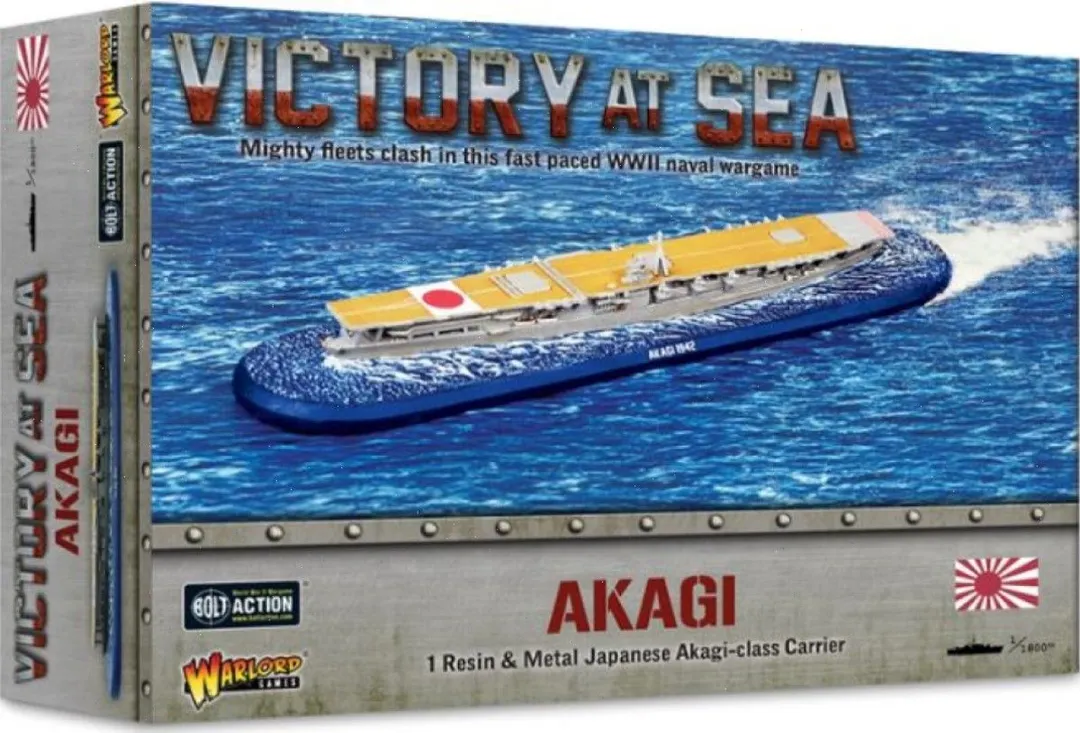
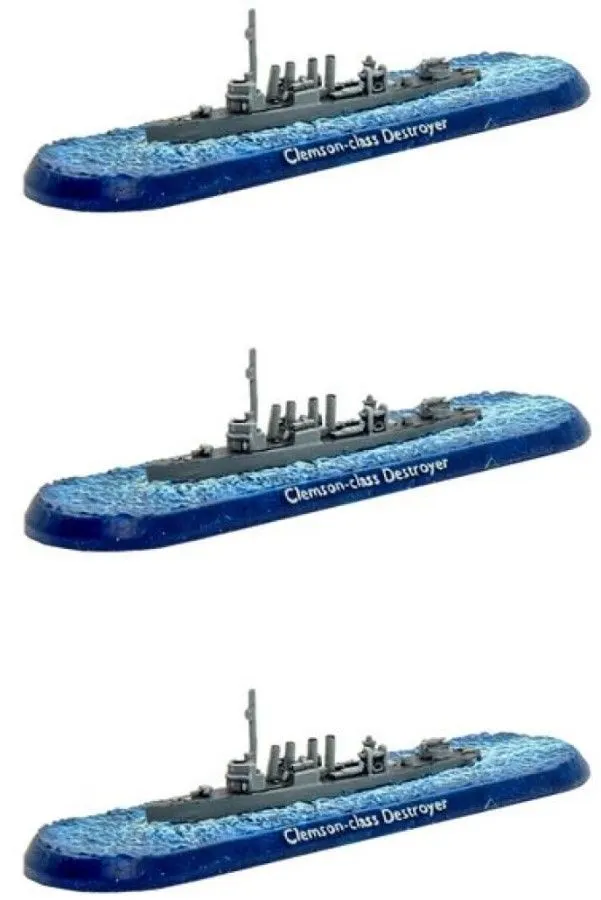
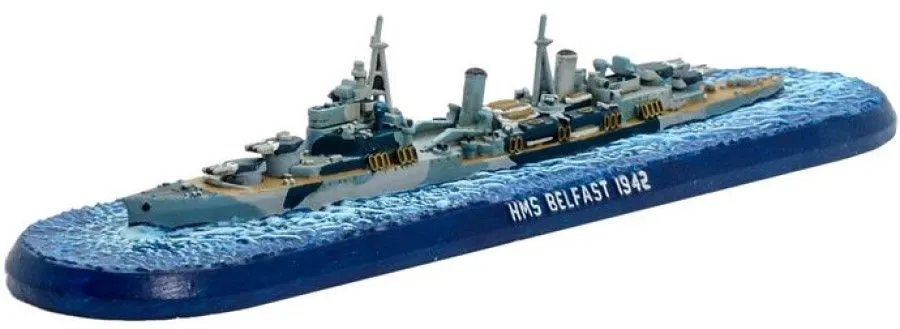
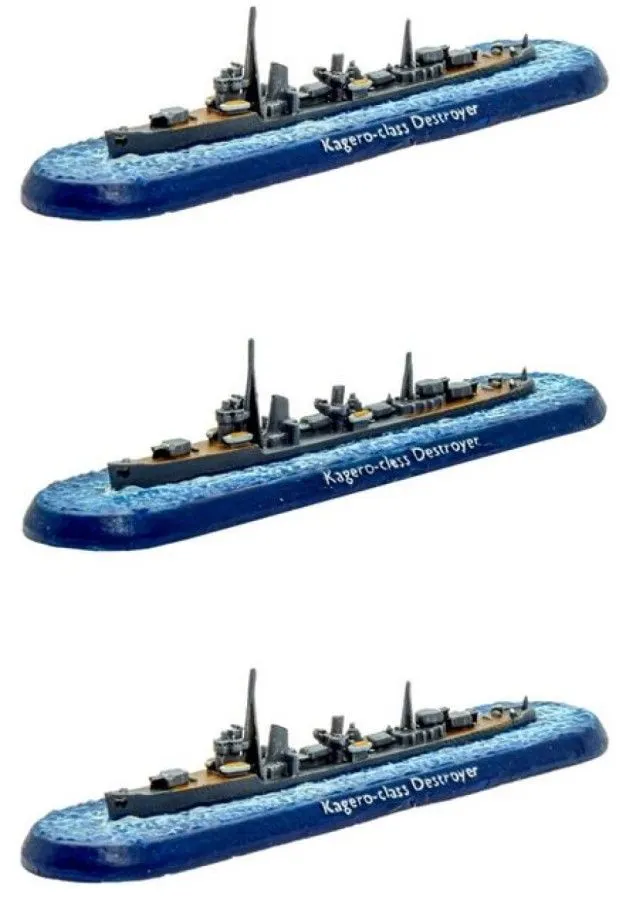
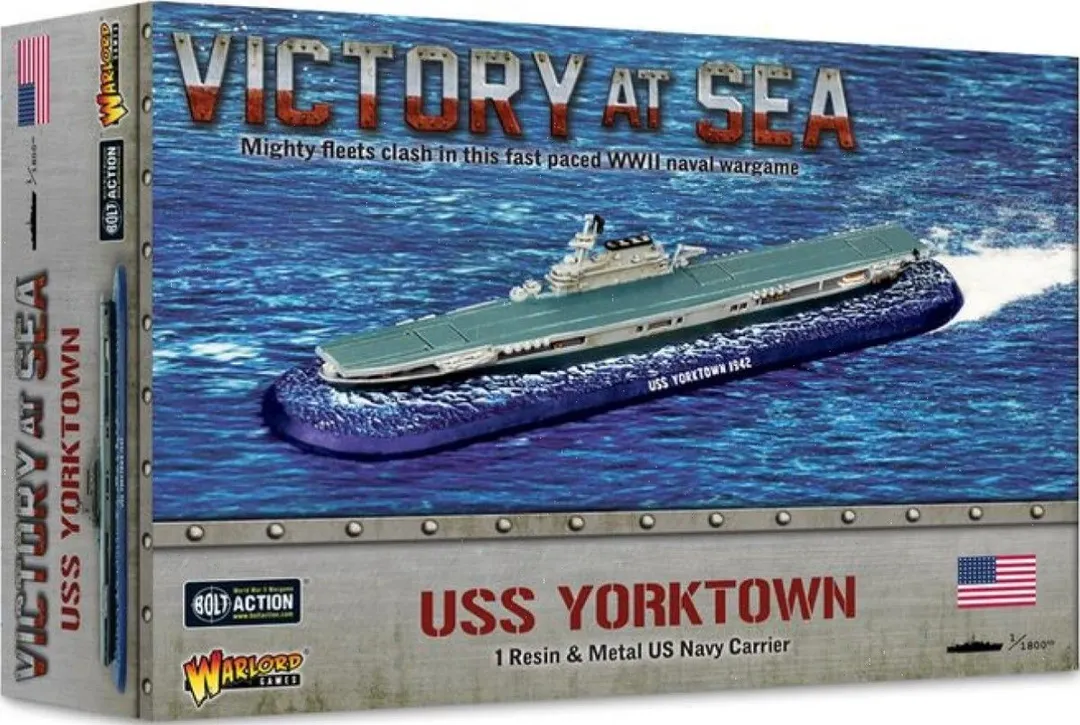
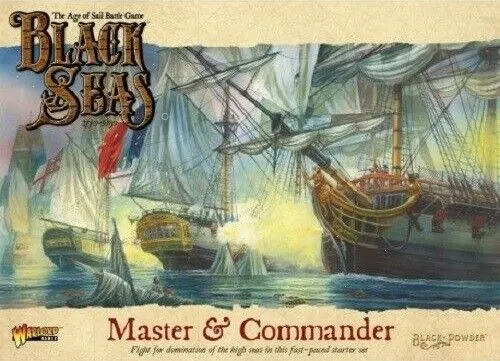
Victory at Sea is the game of naval combat during the Second World War. Throughout 1939–45, the nations of the world duelled across the oceans across the globe, only to discover the fundamental nature of naval warfare changing in the face of rapidly developing technologies. Now you can play out these confrontations on the tabletop with entire fleets drawn from the Royal Navy, US Navy, Imperial Japanese Navy, German Kriegsmarine or any of the other nations featured in Victory at Sea. From skirmishes involving single destroyers hunting down merchantmen to the clashing of massive battleships, from invasions of islands across the Pacific to mastering waves of dive bombers, Victory at Sea enables you to fight exciting battles that take place on the oceans of World War II. The Battle for the Pacific starter set focuses primarily on actions in the seas of the Far East – the Imperial Japanese Navy and the mighty US Navy clashing for control of the islands, resources and seas of the Pacific Theatre. The Victory at Sea rules manual presented in this starter game contain all you need to know to begin playing with the fleets included. Some of the ships contained in this set have been released individually: Victory at Sea: USS Indianapolis 1944 Victory at Sea: Kumano 1944 Victory at Sea: USS Northampton 1942 Victory at Sea: Furutaka 1939 Victory at Sea: USS Chicago 1942 Victory at Sea: Mogami 1939 Contents: A4 Battle of the Pacific Rules manual 1 Die-cut game tokens sheet 15 Model Ships ‣ 1 USS Indianapolis 1944 ‣ 1 USS Northampton 1942 ‣ 1 USS Chicago 1942 ‣ 1 Mogami 1939 ‣ 1 Kumano 1944 ‣ 1 Furutaka 1939 ‣ 3 Fubuki-class Destroyer ‣ 6 Fletcher-class Destroyer 15 Ship Cards & Damage Sliders 4 Ten-sided dice 12 Six-sided dice 2 A0 Sea Mat —description from the publisher
El catálogo indica Victory at Sea: Battle for the Pacific a partir de 10 años. Es la recomendación de la editorial y refleja la lectura necesaria, la complejidad de las reglas y las piezas pequeñas, no solo el tema. Los más pequeños a menudo pueden jugar con ayuda de un adulto: comprueba la edad recomendada en tu edición y la experiencia de tu grupo.
Victory at Sea: Battle for the Pacific tiene una puntuación de complejidad de 2,8 sobre 5 según los jugadores de BoardGameGeek, lo que lo convierte en un juego algo ligero. La puntuación refleja cuánto conocimiento de reglas, planificación y toma de decisiones exige una partida típica. Los juegos exigentes requieren una explicación inicial más larga, así que conviene usar una guía de preparación.
Victory at Sea: Battle for the Pacific pertenece a estas categorías: Wargame, Miniatures y Nautical. Sus mecánicas principales son Dice Rolling, Simulation y Line of Sight. Las categorías describen el tema y la ambientación de un juego, mientras que las mecánicas describen lo que los jugadores hacen realmente en su turno. Cada mecánica lleva a una página del catálogo con juegos similares.
Los autores acreditados de Victory at Sea: Battle for the Pacific son: Matthew Sprange. Estos créditos proceden de los datos publicados del juego y nombran a las personas responsables de su diseño, no a ilustradores ni editoriales. Las páginas de autor de MeepleRules reúnen otros títulos de los mismos autores, algo útil cuando un juego te gusta y buscas otros parecidos.
El catálogo clasifica Victory at Sea: Battle for the Pacific como juego base. Se juega por sí solo con los componentes de la caja y no requiere ningún otro título. Las expansiones, si existen, añaden contenido o reglas nuevas y aparecen por separado en el catálogo con un enlace a este juego base.