
- Puesto en BGG
- BGG #28.006
- Puntuación BGG
- 5,4
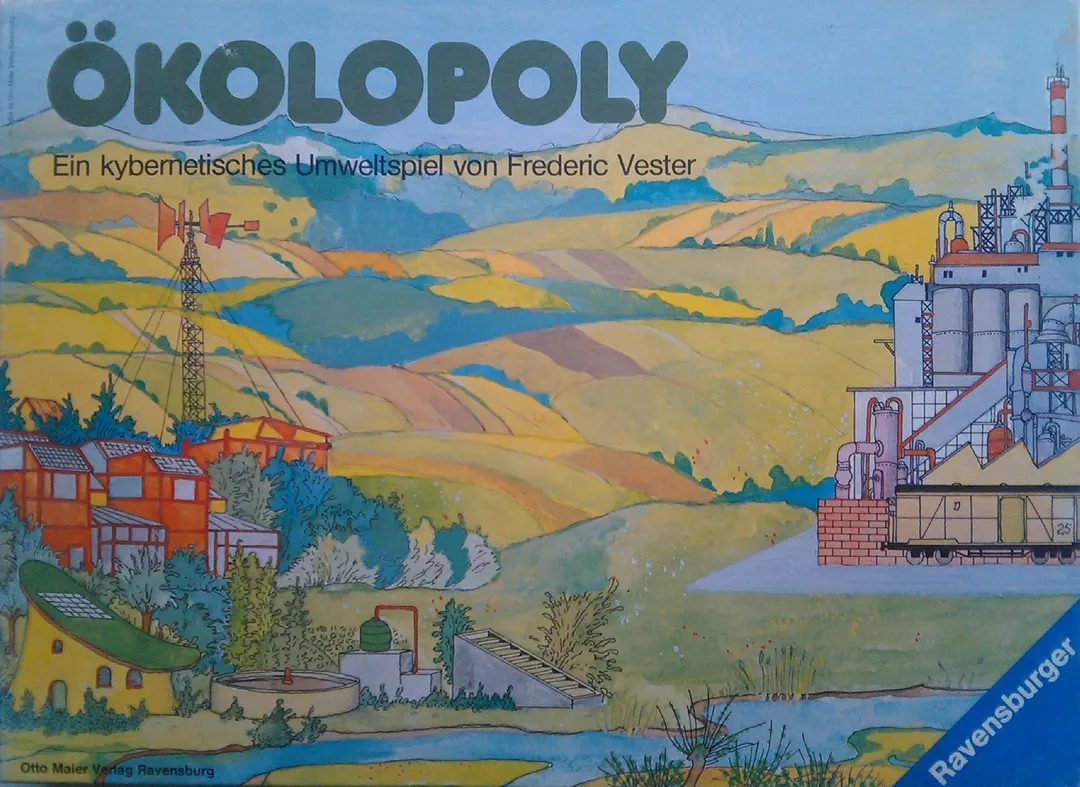
Ökolopoly
- 1–6 jugadores
- 45 min
- Complejidad 2,6/5
- 1983
2021
Ayuda con las reglas de Which Side?
Explicaciones claras de turnos, efectos de cartas y situaciones dudosas, con referencias a fuentes oficiales e historial de preguntas guardado.
Para 1 jugador
¿Qué quieres saber?
Las respuestas salen del reglamento oficial, con la página para comprobarlo.
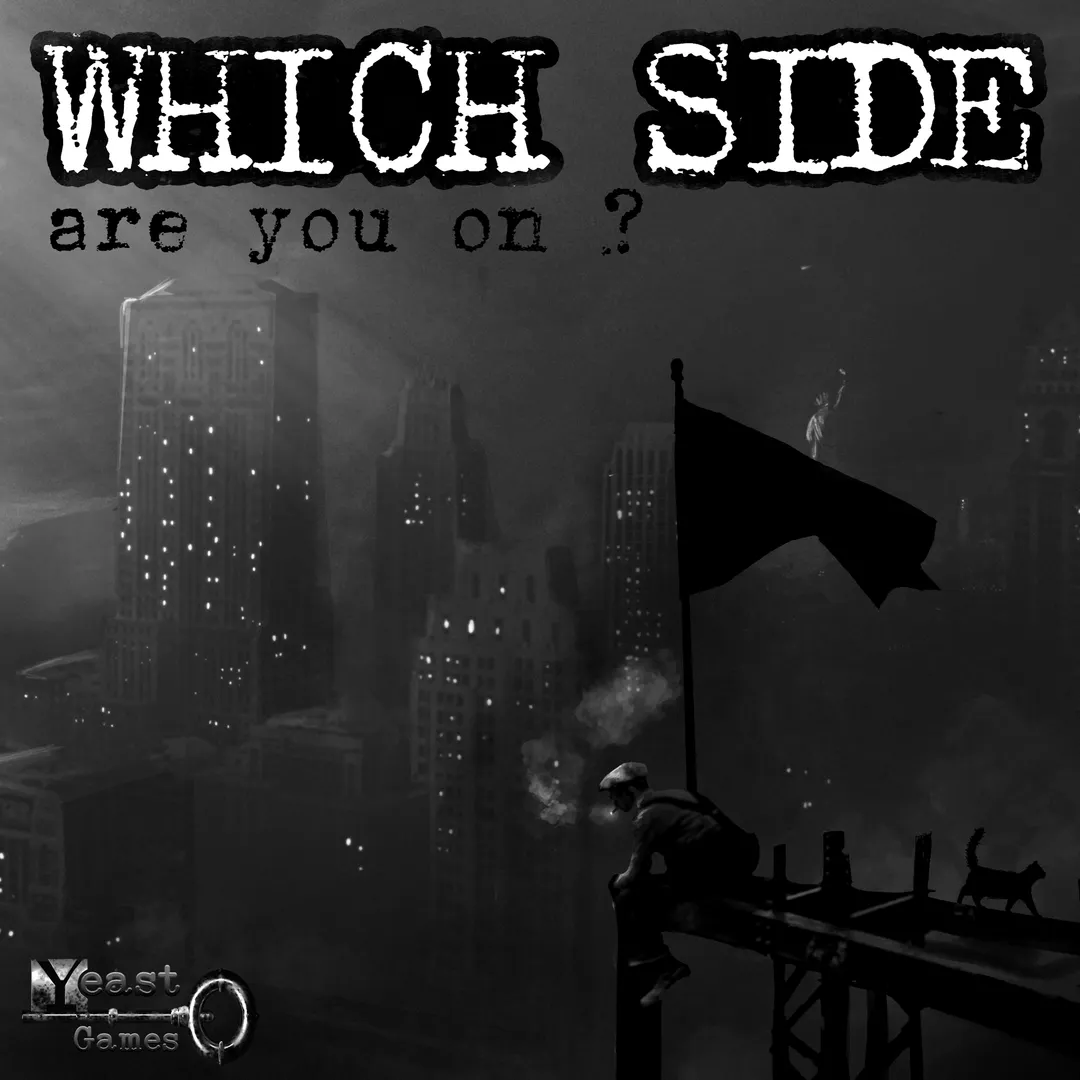
Which Side? es un juego de mesa publicado en 2021 para 1–4 jugadores, con partidas de 120 a 180 minutos y a partir de 14 años. Fue diseñado por Alexandre Weiss y Franck "Counit" Catoire y sus mecánicas principales son Cooperative Game y Worker Placement.





En inglés
CONTEXT At the beginning of the 20th century, capitalism and the nation-state are in full swing, workers have it hard: Working conditions; Work time; Wages; Unsanitary housing; everything systematically leans in favor of employers. Yet since May 1, 1886 and the Haymarket Massacre, workers have tried to organize and resist, supported by a new generation of increasingly committed anarchist and union activists. The scenario of "Which Side are you on?" takes place in New York, during the winter of 1910-1911 and stages homes of workers who try to survive and organize themselves to take control of the means of production before the employers become too powerful. It takes place between two events revealing the working conditions of textile workers: - On November 25, 1910, a fire occurred at a four-story factory in Newark, New Jersey. 25 factory workers, mostly young women, died. - On March 25, 1911, exactly four months after the Newark event, a fire engulfs the 8th, 9th, and 10th floors of the Asch Building, occupied by the Triangle Waist Company, causing the death of 146 workers. THE GAME "Which Side are you on?" is a historical and cooperative survival game that simulates the struggle of the workers in New York between the years 1910 and 1911; for their survival; against employer offensives; for the control of the means of production. Workers pose and resource collection mechanisms allow for a fluid game; and a system of elements with their historical context, which facilitates immersion. This game will particularly appeal to players who like adversity, cooperation, immersion, History ... and perseverance! HOW TO PLAY 1-A game lasts 10 turns. Each turn, the bosses carry out offensives through cards drawn at random. These cards establish temporary or permanent mini-rules against players. 2-You will be playing a family or a small group of people living together. Each member is one of your "workers" and has one action to perform per turn. 3-Each turn, you send your "workers" to the Tiles of New York in order to: a / work and be paid in order to pay your rent, your food and the expenses of the struggle; b / work in political places to cause agitation, strikes or sabotage. 4-Then, you will use agitation, strikes and sabotage to fight the bosses offensives against your rights. 5-With the added agitation, evolve the New York Tiles to make them more worker friendly; complete 6 objectives and take control of the means of production BEFORE the bosses take control of everything and even leave you enough to survive. 6-Be careful, each turn you will have to draw: a / misfortune cards which will make everyone's life even more difficult; b / incident cards which will strike the player who will have the most Risk (obtained according to the work), Police Threat (obtained by causing agitation) OR the least healthy. 7-You could end up with workers in prison, injured, or sick. Which will lower your possibilities for your next turn. HOW TO WIN 1-Victory: Take control of New York's means of production by purchasing 6 objectives with your resources. 2-You lose if you fail to pay the cost of your living or if the bosses reach turn 10. —description from the publisher
Según el catálogo, Which Side? admite de 1 a 4 jugadores. Este intervalo corresponde al número de jugadores indicado por la editorial, así que el juego puede prepararse para cualquier grupo dentro de ese margen. La preparación, algunas reglas y la puntuación pueden variar según el número de jugadores; consulta la configuración exacta en el reglamento de tu edición.
La duración indicada para Which Side? es de 120 a 180 minutos, la estimación de la editorial para una partida completa. El tiempo real depende del grupo, del número de jugadores y del conocimiento de las reglas: las primeras partidas suelen alargarse y los grupos con experiencia terminan antes. La preparación y la explicación de las reglas no están incluidas.
El catálogo indica Which Side? a partir de 14 años. Es la recomendación de la editorial y refleja la lectura necesaria, la complejidad de las reglas y las piezas pequeñas, no solo el tema. Los más pequeños a menudo pueden jugar con ayuda de un adulto: comprueba la edad recomendada en tu edición y la experiencia de tu grupo.
Which Side? tiene una puntuación de complejidad de 3,7 sobre 5 según los jugadores de BoardGameGeek, lo que lo convierte en un juego de complejidad media. La puntuación refleja cuánto conocimiento de reglas, planificación y toma de decisiones exige una partida típica. Los juegos exigentes requieren una explicación inicial más larga, así que conviene usar una guía de preparación.
Which Side? pertenece a estas categorías: Political, Educational e Industry / Manufacturing. Sus mecánicas principales son Cooperative Game y Worker Placement. Las categorías describen el tema y la ambientación de un juego, mientras que las mecánicas describen lo que los jugadores hacen realmente en su turno. Cada mecánica lleva a una página del catálogo con juegos similares.
Los autores acreditados de Which Side? son: Alexandre Weiss y Franck "Counit" Catoire. Estos créditos proceden de los datos publicados del juego y nombran a las personas responsables de su diseño, no a ilustradores ni editoriales. Las páginas de autor de MeepleRules reúnen otros títulos de los mismos autores, algo útil cuando un juego te gusta y buscas otros parecidos.
El catálogo clasifica Which Side? como juego base. Se juega por sí solo con los componentes de la caja y no requiere ningún otro título. Las expansiones, si existen, añaden contenido o reglas nuevas y aparecen por separado en el catálogo con un enlace a este juego base.