
- Rang BGG
- BGG #4 163
- Note BGG
- 7,8
Imperium: The Contention
- 1–6 joueurs
- 30–120 min
- Complexité 2,8/5
- 2021
%2Fpic6067954.jpg@webp)
2021
Aide aux règles de Dirge: The Rust Wars
Des explications claires des tours, effets de cartes et situations litigieuses, avec des références aux sources officielles et un historique des questions sauvegardé.
Pour 2 joueurs
%2Fpic6067954.jpg@webp)
Que voulez-vous savoir ?
Les réponses viennent du livret officiel, avec la page à vérifier.
Dirge: The Rust Wars est un jeu de société sorti en 2021 pour 2 joueurs et avec des parties de 30 minutes. Il a été conçu par John Clowdus et ses principales mécaniques sont Variable Player Powers, Hand Management et Take That.


En anglais
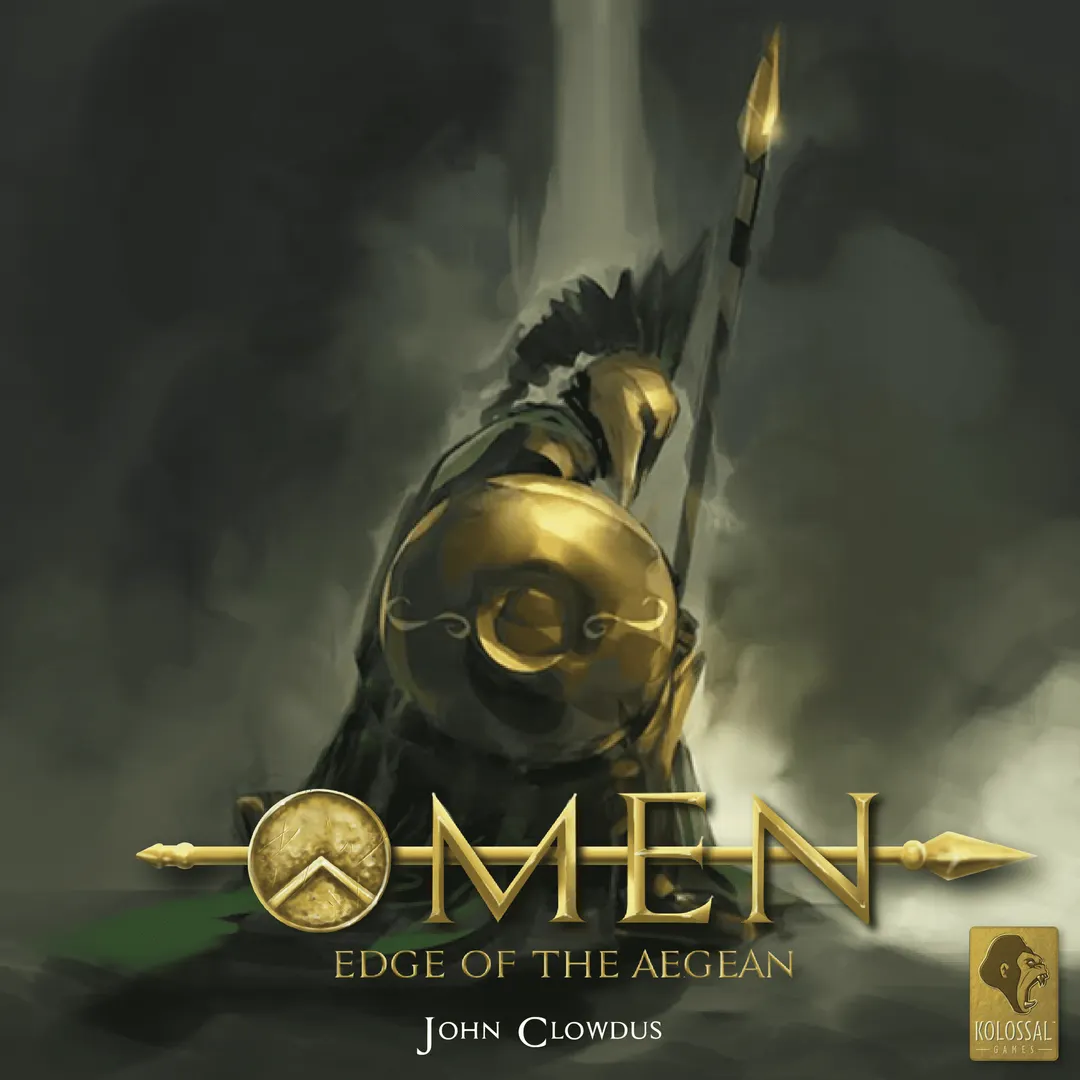
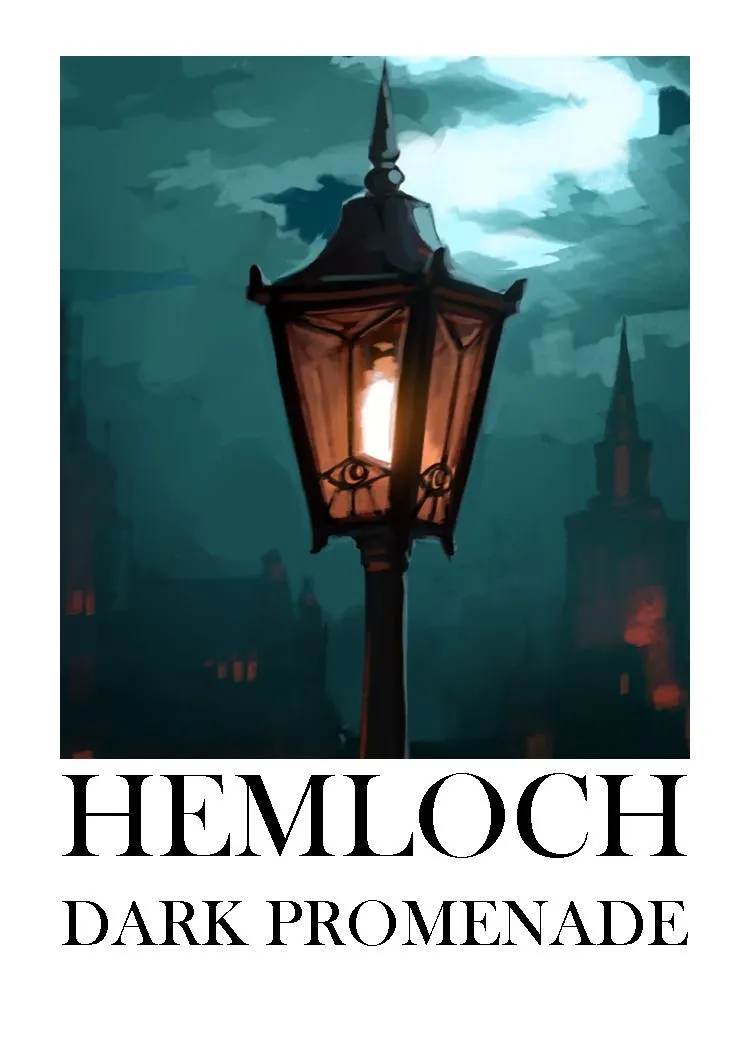
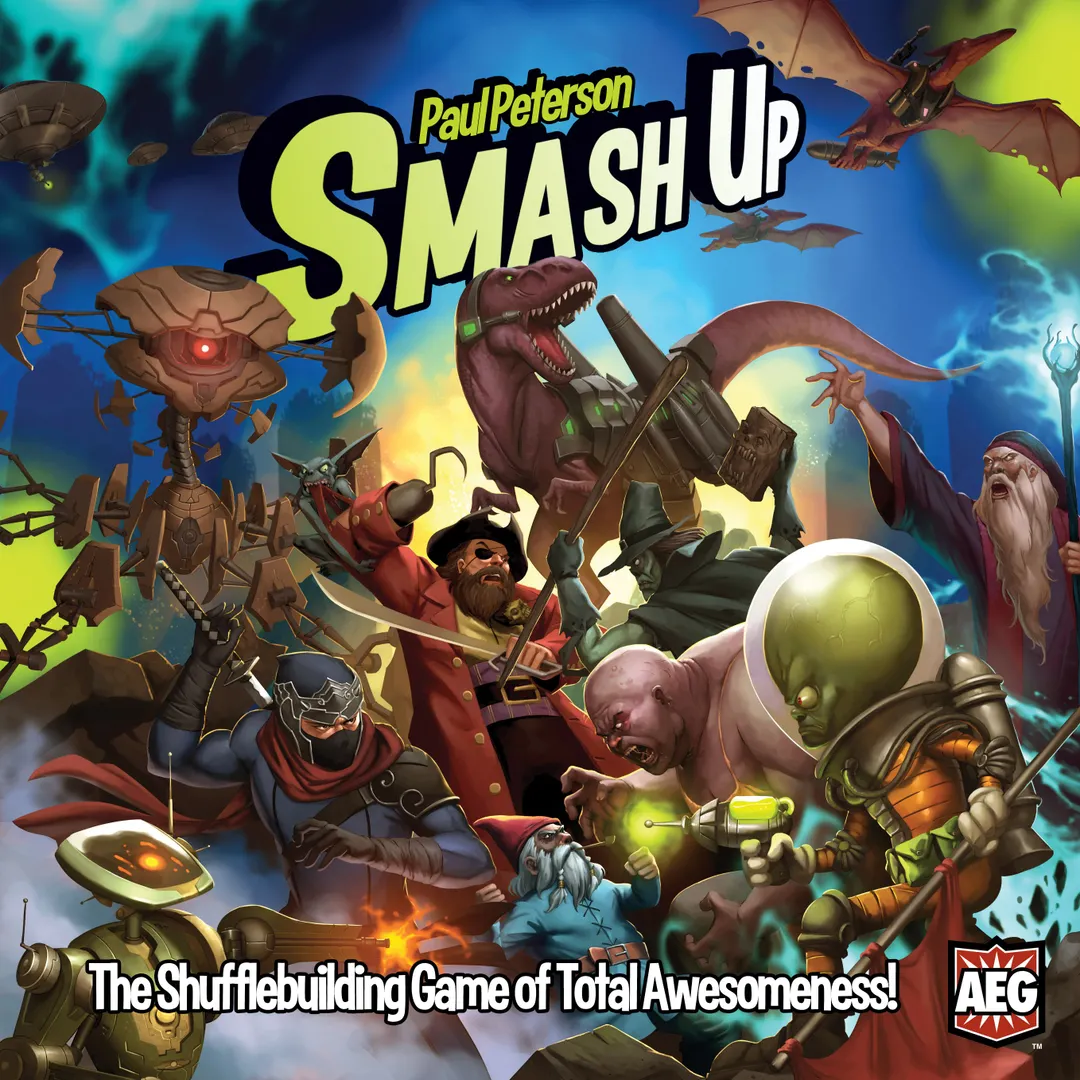
Dirge: The Rust Wars is a card-based tabletop skirmish game in a forgotten future that plays in around 30 minutes and features area control, multiple scoring opportunities, and combo-driven actions, with pinch of deck-building. Each game, players draft two different units, adding those units' cards to their starting deck. Throughout the game, these units are moved around the board — a 4x4 grid of locations, each with their own effects — to attack opposing units and score points, while cards are used to manipulate the game a variety of ways. The three action cards correspond to the three different unit types — Infantry, Cavalry, and Engine — and along with the turn sequence card, they drive the game through round-based game play in which each player in a round receives three turns, but never the same three actions as the other player. Players score points for destroying an opposing unit, playing two or more cards during their turn, having both units survive the round, and controlling the vast inland Sawgrass Sea. The game ends when a player has scored 12 or more points at the end of the round, with the player who scores the most points winning. —description from the publisher
Selon le catalogue, Dirge: The Rust Wars se joue à 2 personnes. C’est le nombre de joueurs indiqué par l’éditeur : le jeu est donc conçu pour exactement ce nombre de participants. Les variantes pour d’autres tailles de groupe, s’il en existe, sont décrites dans la règle de votre édition ; consultez-la avant d’installer une autre configuration.
La durée indiquée pour Dirge: The Rust Wars est de 30 minutes, selon l’estimation de l’éditeur pour une partie complète. La durée réelle dépend du groupe, de l’effectif et de la connaissance des règles : les premières parties sont plus longues, les groupes expérimentés terminent plus vite. Mise en place et explication des règles ne sont pas comprises.
Dirge: The Rust Wars obtient une note de complexité de 2,0 sur 5 auprès des joueurs de BoardGameGeek, ce qui en fait un jeu plutôt léger. Cette note reflète la quantité de règles, de planification et de décisions qu’exige une partie typique. Prévoyez une explication plus longue pour les jeux exigeants et utilisez un guide de préparation avant la soirée.
Dirge: The Rust Wars appartient à ces catégories : Card Game, Fantasy et Fighting. Ses principales mécaniques sont Variable Player Powers, Hand Management et Take That. Les catégories décrivent le thème et l’univers d’un jeu, tandis que les mécaniques décrivent ce que les joueurs font réellement pendant leur tour. Chaque mécanique mène à une page du catalogue avec des jeux similaires.
Les auteurs crédités pour Dirge: The Rust Wars sont : John Clowdus. Ces crédits proviennent des données publiées du jeu et désignent les personnes responsables de sa conception, et non les illustrateurs ou les éditeurs. Les pages d’auteurs sur MeepleRules regroupent les autres titres des mêmes auteurs, ce qui est utile lorsqu’un jeu vous plaît et que vous en cherchez de similaires.
Le catalogue présente Dirge: The Rust Wars comme un jeu de base. Il se joue seul avec le matériel contenu dans la boîte et ne nécessite aucun autre titre. Les extensions, s’il en existe, y ajoutent du contenu ou des règles et sont répertoriées séparément dans le catalogue, avec un lien vers ce jeu de base.