
- Note BGG
- 7,0
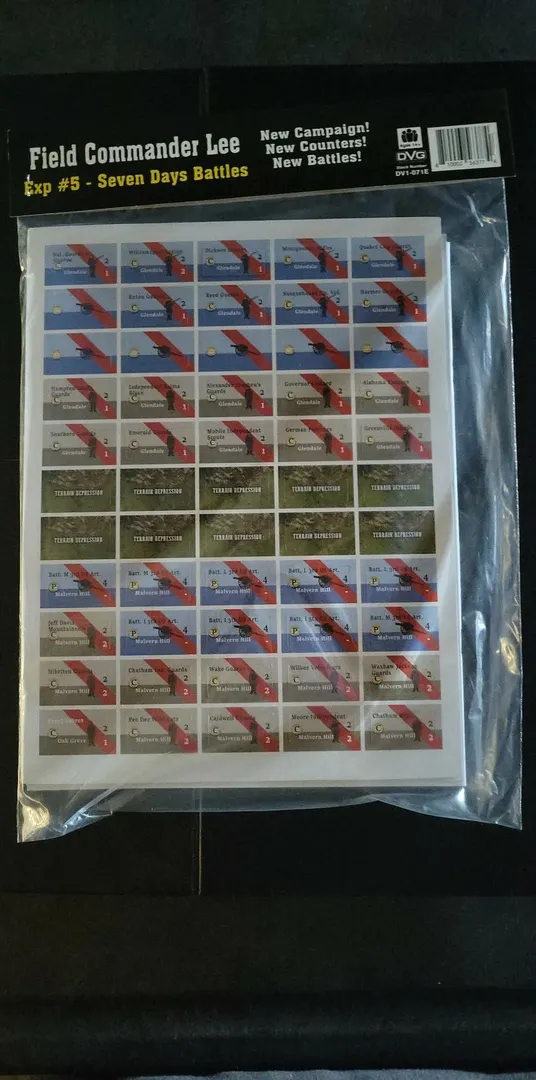
Field Commander: Robert E. Lee – Seven Days Battles Battle Pack
- 1 joueur
- 2024
2025
Aide aux règles de Field Commander: Robert E. Lee
Des explications claires des tours, effets de cartes et situations litigieuses, avec des références aux sources officielles et un historique des questions sauvegardé.
Pour 1 joueur
Que voulez-vous savoir ?
Les réponses viennent du livret officiel, avec la page à vérifier.
Field Commander: Robert E. Lee est un jeu de société sorti en 2025 pour 1 joueur, avec des parties de 180 minutes et à partir de 14 ans. Il a été conçu par Vincent Cooper et ses principales mécaniques sont Area Movement, Dice Rolling et Simulation.







En anglais
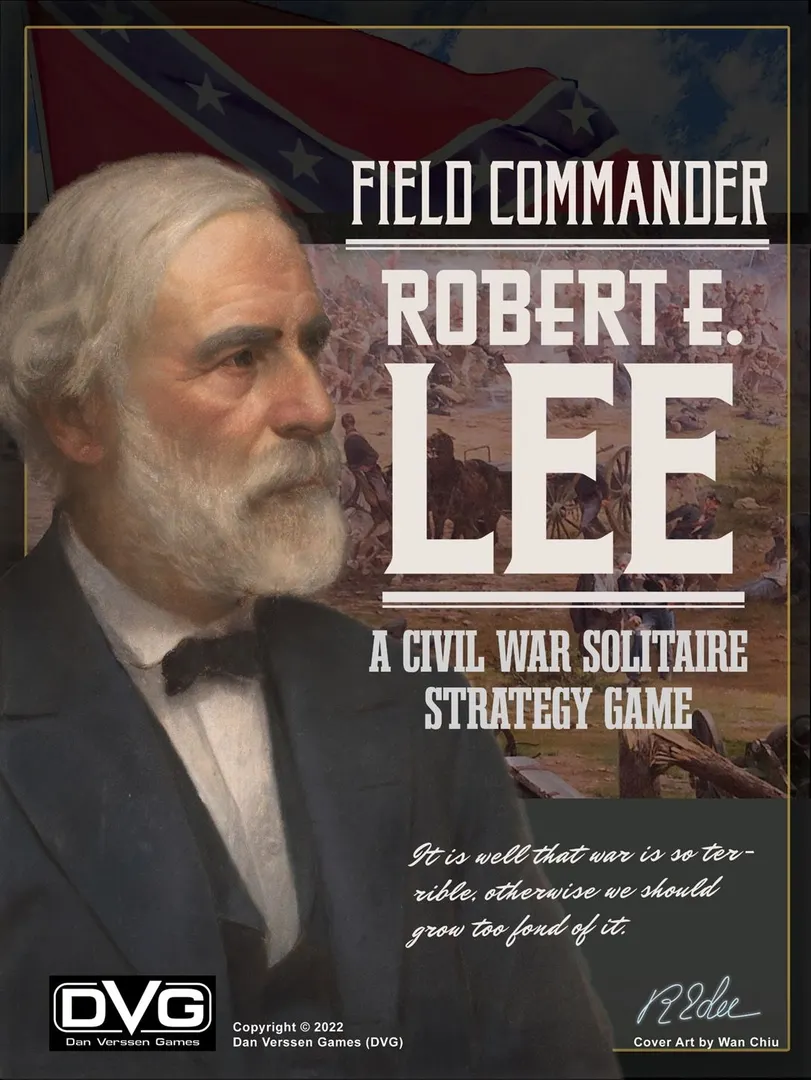
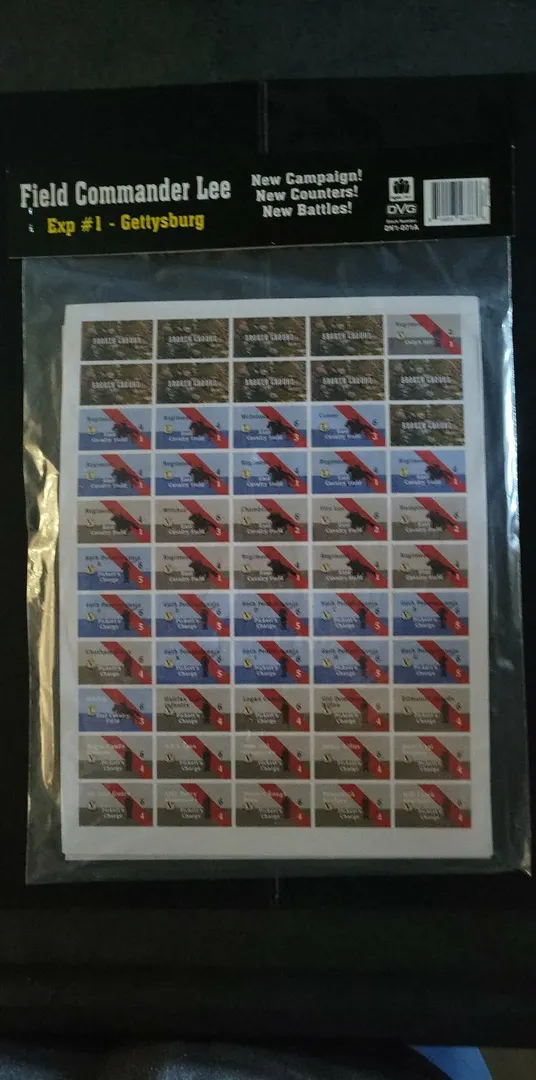
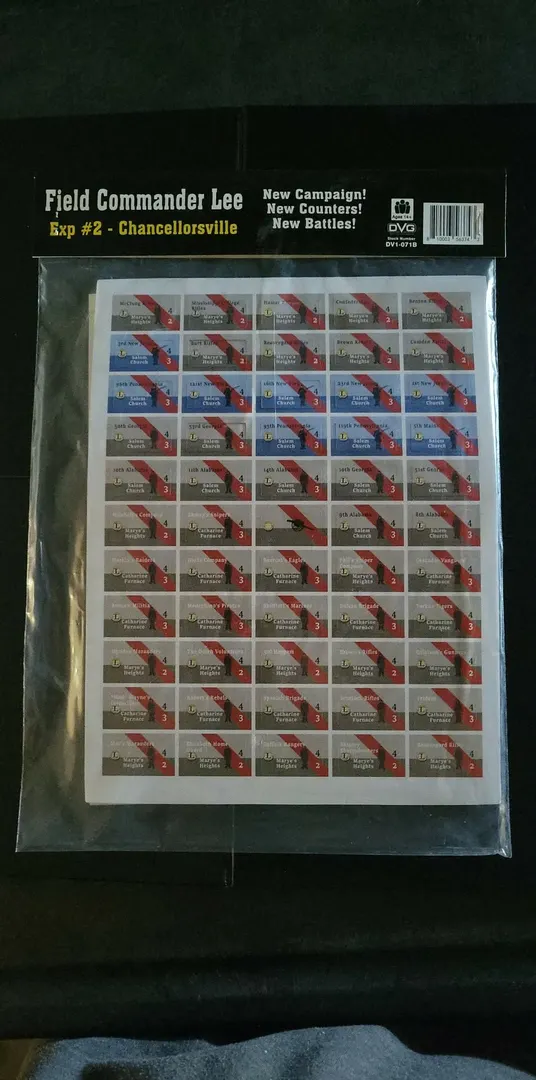
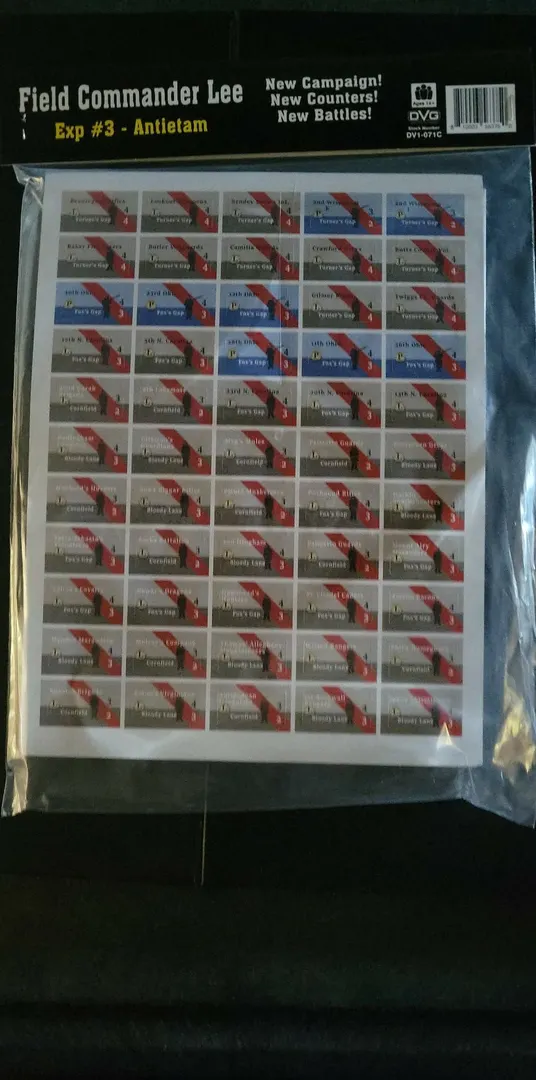
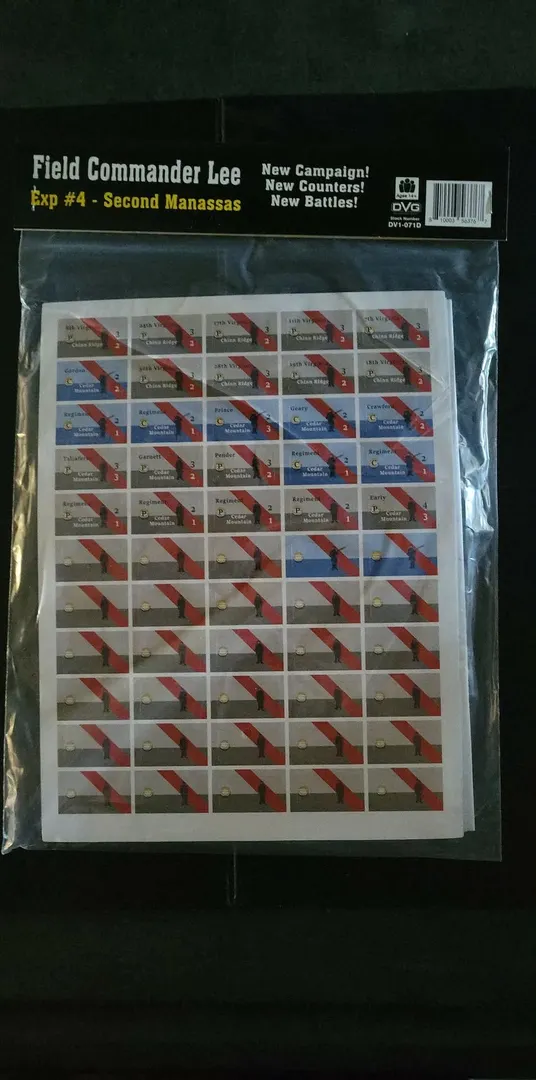
Field Commander - Robert E. Lee builds on the design and gameplay of Field Commander - Napoleon to put the player firmly in control of the Army of Northern Virginia during the American Civil War, with the Union forces controlled by an AI. Fight in 5 Campaigns Seven Days Battles Second Manassas Antietam Chancellorsville Gettysburg Field Commander - Robert E. Lee is based on the Field Commander - Napoleon design, with some important differences and developments. Difficulty Levels: The player may choose to tailor his experience of Field Commander Robert E. Lee by modifying the Difficulty Level between Regular, Hard and Veteran. There are various ways the difficulty level can affect the game and the player can choose one or more effects, or mix different Difficulty Levels to produce different effects. For example, the player could choose to use the Regular Fog of War table, combined with the Hard Command Points option and the Veteran Special Rules of a particular campaign. Scout Counters: Greater availability and use of Scout counters to create decision-heavy gameplay and the manner in which cavalry were employed on the battlefield during the American Civil War as compared to the Napoleonic era. Command Points: Command Points replace Supply Points. Command Points are used in a similar manner however, but represent reforming broken Forces or calling to arms odd Brigades and Regiments that are marching on different roads. Command Points can also be accumulated when a Force reaches certain Regions on the Battlefield Sheet and reflect greater morale. Union Orders: Each Campaign map includes a Battle Area, which is distinct from the rest of the game board (you can see it described with red borders on the sample map art). Union Forces follow Campaign Map Orders until they enter the Battle Area, at which point the Battle Area Orders table is followed. This simulates more carefully the Union actions once battle commenced properly. Union Tactics: Aggressive vs Defensive. No more sitting at the back of the Battlefield sheet blasting the advancing enemy. The Union AI will only attack when the odds are in its favor. Special Battle Plans: An expanded range of Special Battle Plans for the Union AI to use that simulate combat in the ACW. The Union AI will now only charge en masse, while Flanking Fire and Hidden March threaten the rear of the Confederate army. No place on the battlefield is safe! Capturing Artillery: Rather than Destroy artillery, both the Confederate player and the Union AI will instead capture 'abandoned' artillery and use the cannon to their own advantage. Historically this was especially important to the Confederates who suffered at the hands of superior Union guns and ammunition. Artillery Range Attenuation: The further away the target, the less effective the artillery! Each Campaign introduces detailed Special Rules that highlight the key events, features and commander personalities of each battle. —description from the publisher
Selon le catalogue, Field Commander: Robert E. Lee se joue à 1 personne. C’est le nombre de joueurs indiqué par l’éditeur : le jeu est donc conçu pour exactement ce nombre de participants. Les variantes pour d’autres tailles de groupe, s’il en existe, sont décrites dans la règle de votre édition ; consultez-la avant d’installer une autre configuration.
La durée indiquée pour Field Commander: Robert E. Lee est de 180 minutes, selon l’estimation de l’éditeur pour une partie complète. La durée réelle dépend du groupe, de l’effectif et de la connaissance des règles : les premières parties sont plus longues, les groupes expérimentés terminent plus vite. Mise en place et explication des règles ne sont pas comprises.
Le catalogue indique Field Commander: Robert E. Lee à partir de 14 ans. C’est la recommandation de l’éditeur ; elle tient compte de la lecture nécessaire, de la complexité des règles et des petits composants, pas seulement du thème. Les plus jeunes peuvent souvent participer avec l’aide d’un adulte : vérifiez l’âge indiqué sur votre édition et tenez compte de l’expérience de votre groupe.
Field Commander: Robert E. Lee obtient une note de complexité de 3,8 sur 5 auprès des joueurs de BoardGameGeek, ce qui en fait un jeu exigeant. Cette note reflète la quantité de règles, de planification et de décisions qu’exige une partie typique. Prévoyez une explication plus longue pour les jeux exigeants et utilisez un guide de préparation avant la soirée.
Field Commander: Robert E. Lee appartient à ces catégories : Wargame, Civil War et American Civil War. Ses principales mécaniques sont Area Movement, Dice Rolling et Simulation. Les catégories décrivent le thème et l’univers d’un jeu, tandis que les mécaniques décrivent ce que les joueurs font réellement pendant leur tour. Chaque mécanique mène à une page du catalogue avec des jeux similaires.
Les auteurs crédités pour Field Commander: Robert E. Lee sont : Vincent Cooper. Ces crédits proviennent des données publiées du jeu et désignent les personnes responsables de sa conception, et non les illustrateurs ou les éditeurs. Les pages d’auteurs sur MeepleRules regroupent les autres titres des mêmes auteurs, ce qui est utile lorsqu’un jeu vous plaît et que vous en cherchez de similaires.
Le catalogue présente Field Commander: Robert E. Lee comme un jeu de base. Il se joue seul avec le matériel contenu dans la boîte et ne nécessite aucun autre titre. Les extensions, s’il en existe, y ajoutent du contenu ou des règles et sont répertoriées séparément dans le catalogue, avec un lien vers ce jeu de base.