
- Note BGG
- 8,0
Scorched Earth
- 2 joueurs
- 2400–6000 min
- Complexité 4,4/5
- 1987
1984
Aide aux règles de Fire in the East
Des explications claires des tours, effets de cartes et situations litigieuses, avec des références aux sources officielles et un historique des questions sauvegardé.
Pour 2 joueurs
Que voulez-vous savoir ?
Les réponses viennent du livret officiel, avec la page à vérifier.
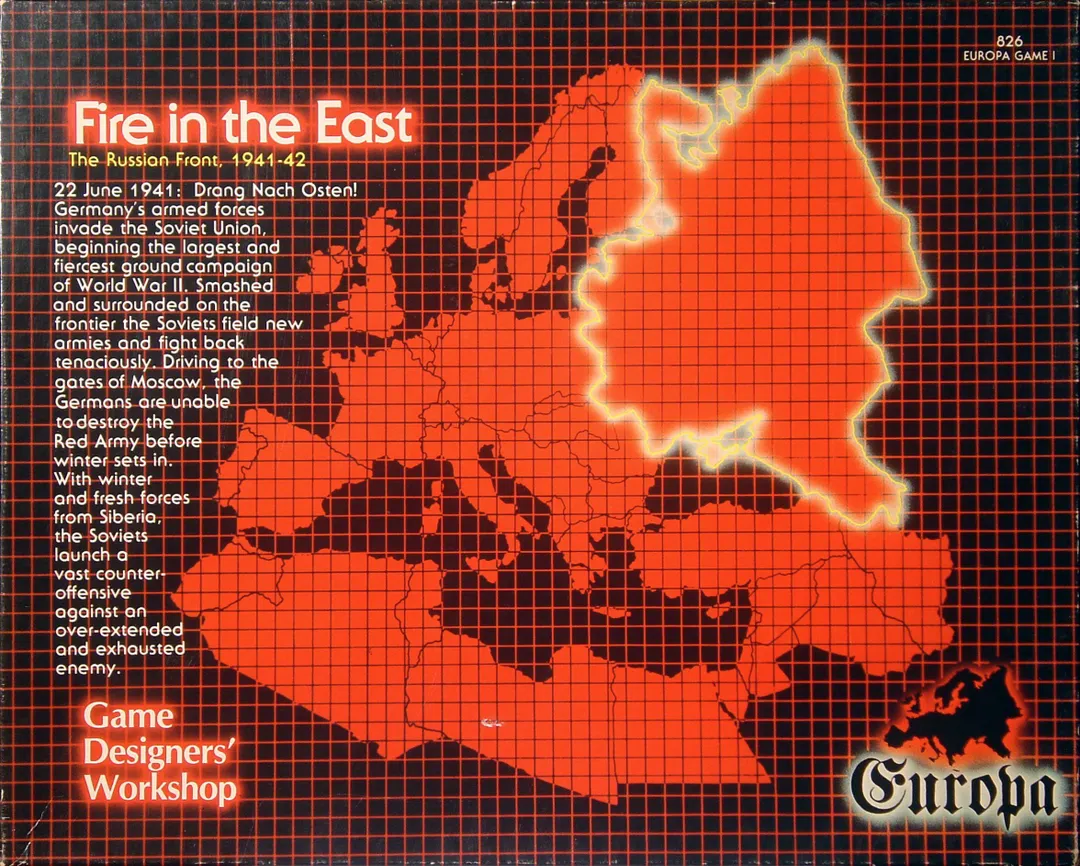
Fire in the East est un jeu de société sorti en 1984 pour 2 à 4 joueurs, avec des parties de 3 000 minutes et à partir de 12 ans. Il a été conçu par Frank Chadwick, John Astell et Paul Richard "Rich" Banner et ses principales mécaniques sont Dice Rolling, Hexagon Grid et Simulation.


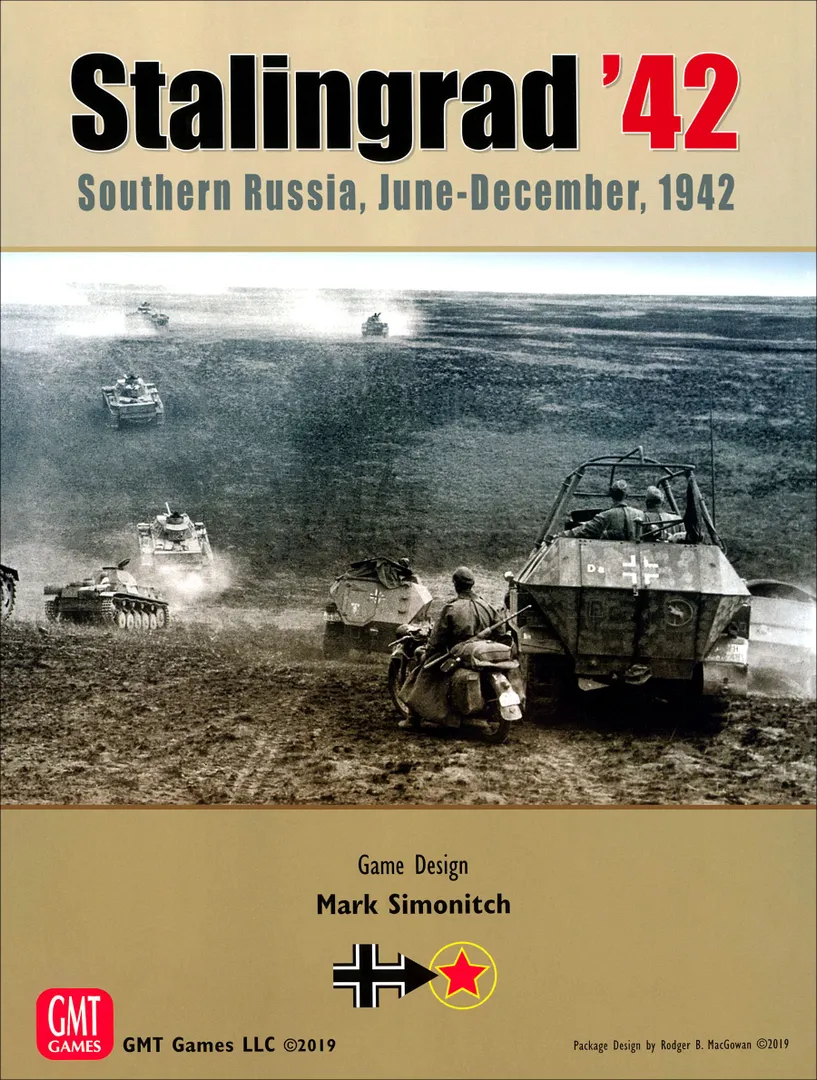
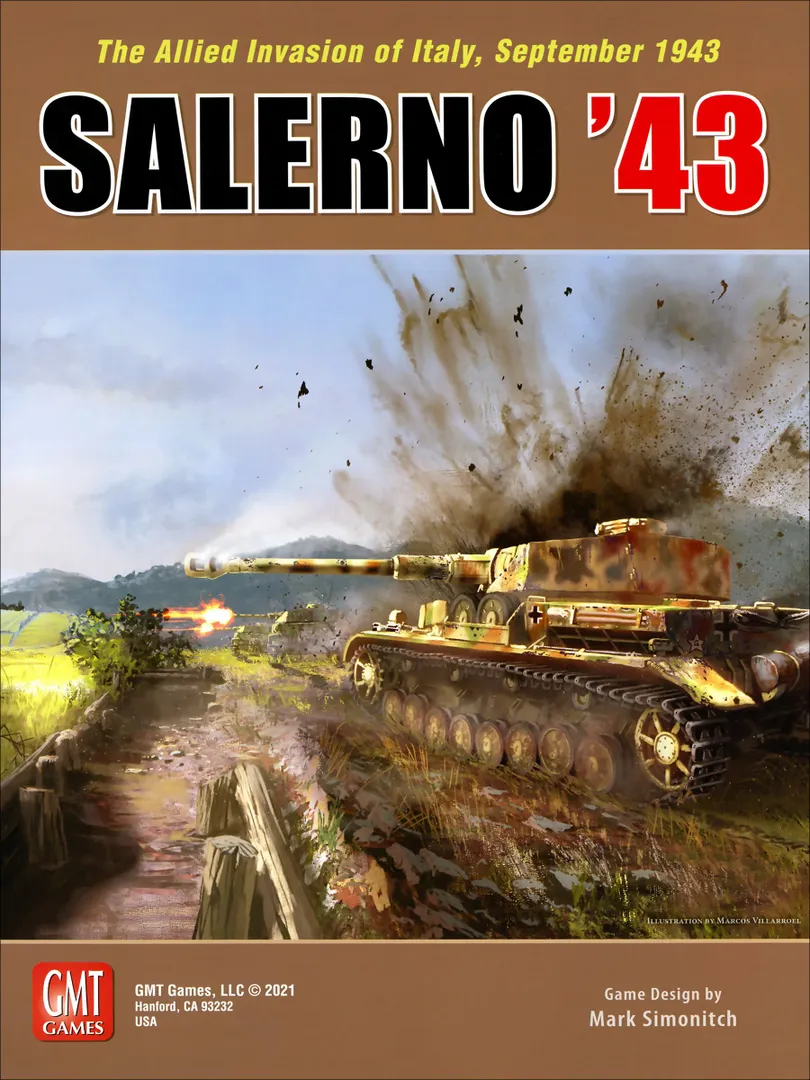

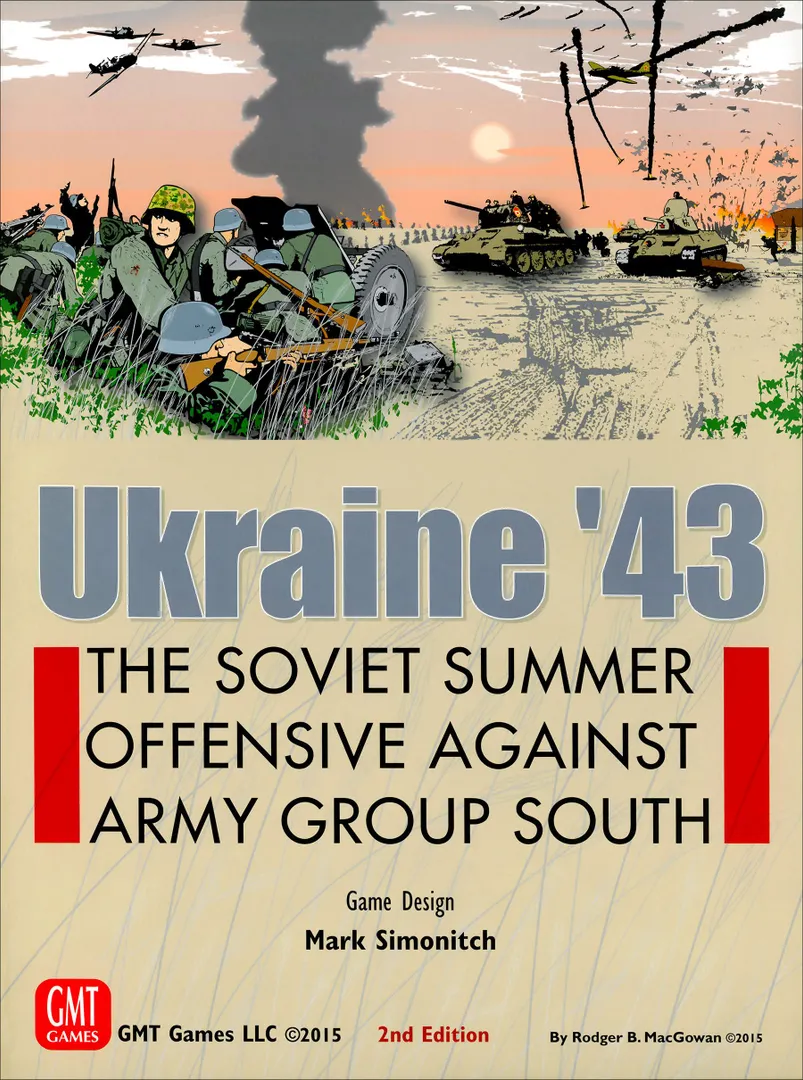

En anglais
Fire in the East covers the war in the Soviet Union from the start of the Barbarossa invasion in June 1941 through the end of the Soviet winter counteroffensive in March 1942. It requires two players, with one player controlling the German and German-allied (Rumanian, Finnish, etc.) forces and the other controlling the various Soviet forces: regular troops, militia divisions,and Guards formations. The size of the game makes it well suited to team play: each side can easily be played by a team of two or three players. Fire in the East's 6 multi-color maps stretch from Warsaw to Stalingrad, from Murmansk to Sevastopol. Terrain is analyzed in detail, with over 20 different types, including two types of rivers, forests, and mountains and four types of cities. There are over 2500 counters each marked with its historical designation - the most accurate and detailed order of battle ever published for the Eastern Front. The counters represent divisions, and independent brigades, regiments, and battalions. Units are highly differentiated by type, from armor, infantry, and artillery to Soviet Guards, NKVD, and katyushas, German flammpanzers and railroad artillery, and Finnish ski troops. Air units vary from outmoded I-15 biplane fighters to the Me-109F, from Ju 87 Stukas and Il-2 Sturmoviks to Pe-8 long-range bombers. The capital ships of the Soviet Baltic and Black Sea fleets are also represented. The rules include extensive armor and antitank effects, plus special capabilities for many other unit types, from assault engineers to paratroopers. Every combat arm has its own abilities and limitations, and the players must use them all to achieve victory. The air system is very detailed - almost a game in itself. Logistics rules cover the different gauges of German and Soviet rails and allow supply lines to be extended temporarily by trucks. Isolated units gradually lose their combat abiliites and then collapse, but those besieged in cities and fortresses survive longer. Other important rules cover weather effects, the unique nature of the Arctic front, the need for artillery support, the German surprise attack, doctrinal limits of Soviet mechanized units, and more. Fire in the East is extremely challenging to both sides. German panzer spearheads can break through the front almost at will, but soon will find themselves outrunning their supply lines, infantry, and air support. Careful play and the optimum use of all arms are needed to travel the long road to Moscow. The Soviets are faced with the need to preserve their army for the final defense of major cities while delaying the German advance to make that defense possible by determined resistance and carefully chosen local counterattacks. Game Components: six 21" x 27" maps (1B, 2A, 3B, 4A, 5B, 6A) over 2880 die-cut counters (Europa 1A, 2A, 3A, 4A, 5A, 36, 37, 38, 39, 40, 41, 42) a complete set of rules a complete set of charts two dice (source: back of the box and user's description)
Selon le catalogue, Fire in the East se joue de 2 à 4 personnes. Cette fourchette correspond au nombre de joueurs indiqué par l’éditeur : le jeu s’installe donc pour toute taille de groupe dans cette limite. La mise en place, certaines règles et le décompte peuvent varier selon l’effectif ; vérifiez la configuration exacte dans la règle de votre édition.
La durée indiquée pour Fire in the East est de 3 000 minutes, selon l’estimation de l’éditeur pour une partie complète. La durée réelle dépend du groupe, de l’effectif et de la connaissance des règles : les premières parties sont plus longues, les groupes expérimentés terminent plus vite. Mise en place et explication des règles ne sont pas comprises.
Le catalogue indique Fire in the East à partir de 12 ans. C’est la recommandation de l’éditeur ; elle tient compte de la lecture nécessaire, de la complexité des règles et des petits composants, pas seulement du thème. Les plus jeunes peuvent souvent participer avec l’aide d’un adulte : vérifiez l’âge indiqué sur votre édition et tenez compte de l’expérience de votre groupe.
Fire in the East obtient une note de complexité de 4,3 sur 5 auprès des joueurs de BoardGameGeek, ce qui en fait un jeu exigeant. Cette note reflète la quantité de règles, de planification et de décisions qu’exige une partie typique. Prévoyez une explication plus longue pour les jeux exigeants et utilisez un guide de préparation avant la soirée.
Fire in the East appartient à ces catégories : Wargame et World War II. Ses principales mécaniques sont Dice Rolling, Hexagon Grid et Simulation. Les catégories décrivent le thème et l’univers d’un jeu, tandis que les mécaniques décrivent ce que les joueurs font réellement pendant leur tour. Chaque mécanique mène à une page du catalogue avec des jeux similaires.
Les auteurs crédités pour Fire in the East sont : Frank Chadwick, John Astell et Paul Richard "Rich" Banner. Ces crédits proviennent des données publiées du jeu et désignent les personnes responsables de sa conception, et non les illustrateurs ou les éditeurs. Les pages d’auteurs sur MeepleRules regroupent les autres titres des mêmes auteurs, ce qui est utile lorsqu’un jeu vous plaît et que vous en cherchez de similaires.
Le catalogue présente Fire in the East comme un jeu de base. Il se joue seul avec le matériel contenu dans la boîte et ne nécessite aucun autre titre. Les extensions, s’il en existe, y ajoutent du contenu ou des règles et sont répertoriées séparément dans le catalogue, avec un lien vers ce jeu de base.