
- Note BGG
- 7,7
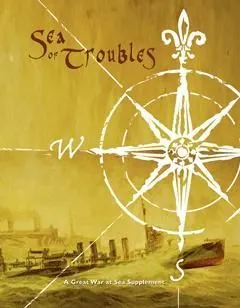
Great War at Sea: Sea of Troubles
- 2 joueurs
- 120 min
- Complexité 2,9/5
- 2007

2006
Aide aux règles de Great War at Sea: Jutland
Des explications claires des tours, effets de cartes et situations litigieuses, avec des références aux sources officielles et un historique des questions sauvegardé.
Pour 2 joueurs
Que voulez-vous savoir ?
Les réponses viennent du livret officiel, avec la page à vérifier.
Great War at Sea: Jutland est un jeu de société sorti en 2006 pour 2 joueurs, avec des parties de 30 à 120 minutes et à partir de 12 ans. Il a été conçu par Michael Bennighof et Doug McNair et ses principales mécaniques sont Dice Rolling, Secret Unit Deployment et Paper-and-Pencil.
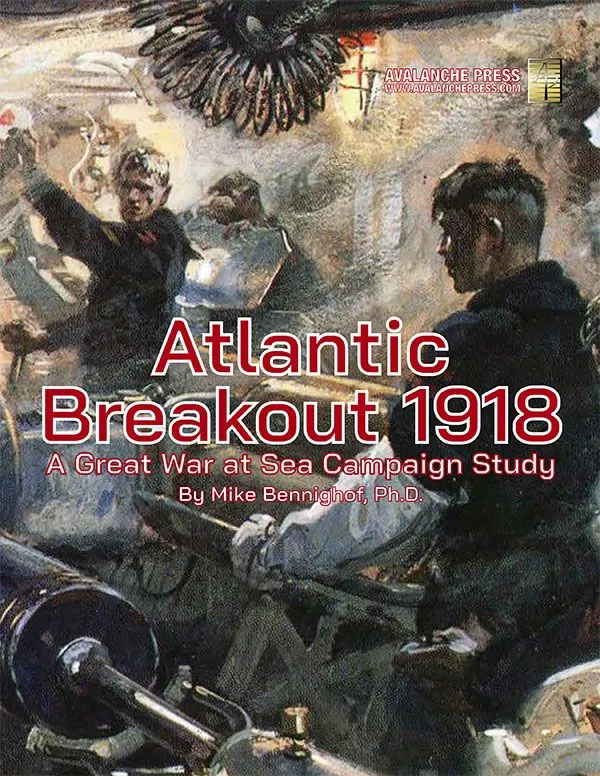
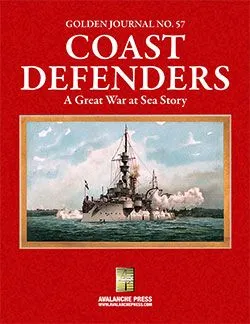
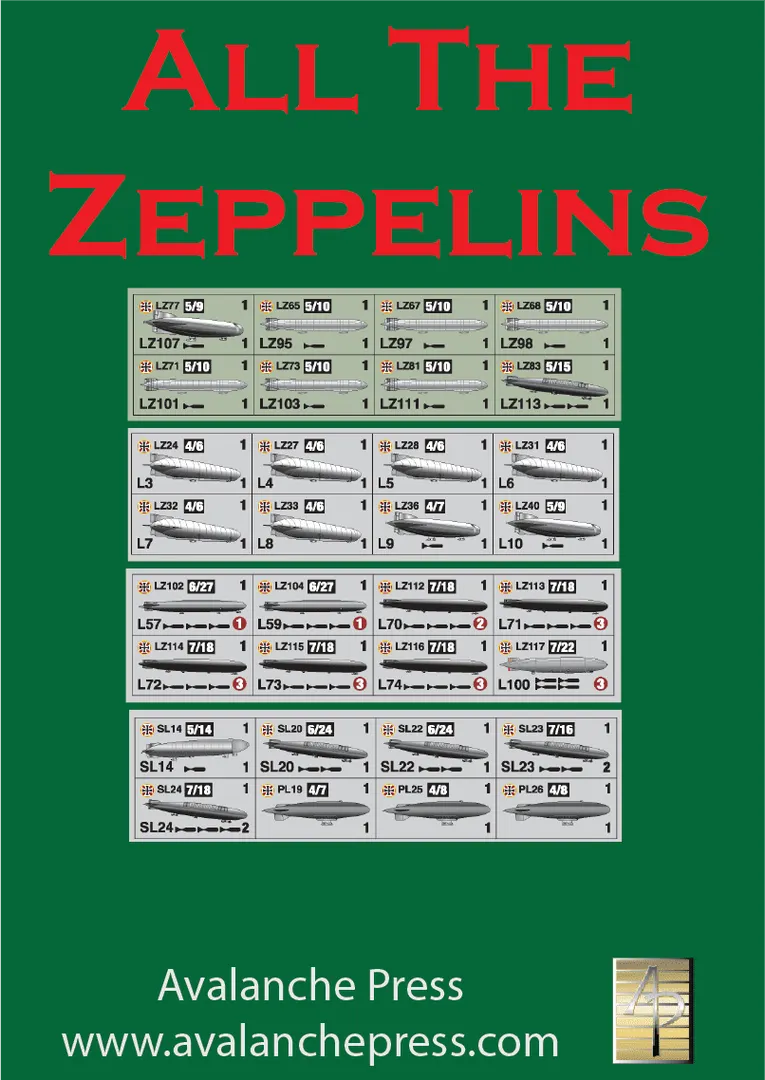










En anglais
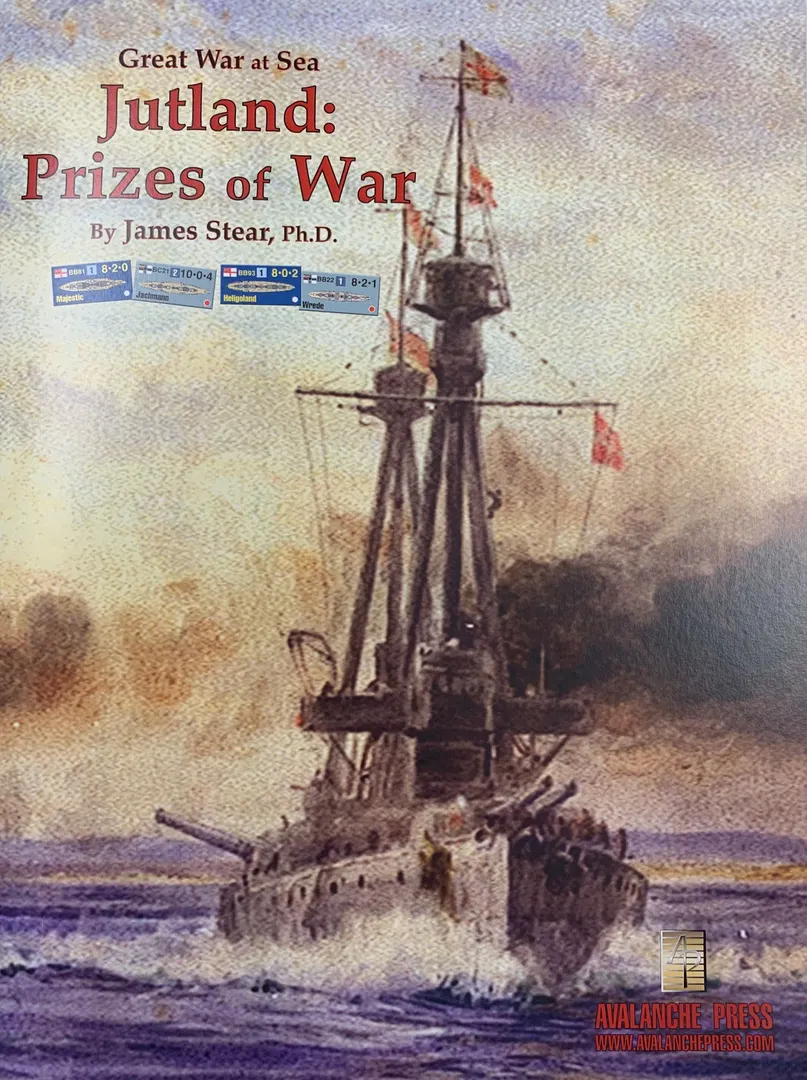
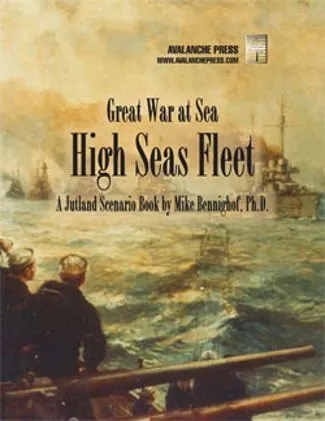
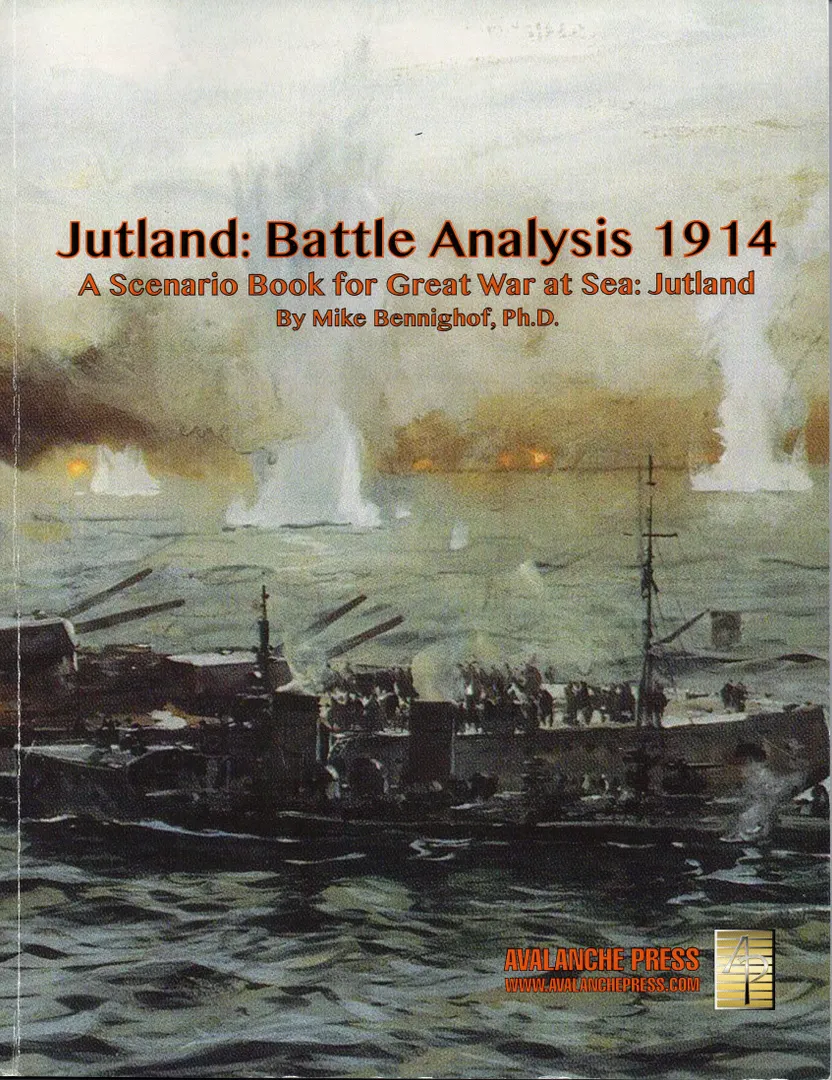
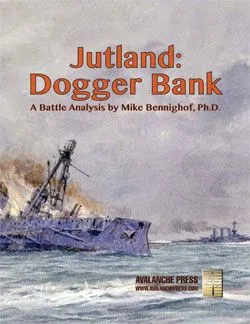
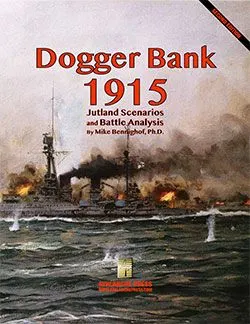
From the Avalanche Press website: History’s best-known naval battle was just one part of the ongoing four-year struggle to control the seas around Germany’s coasts. If the German High Seas Fleet could catch and destroy a portion of the much larger British Grand Fleet, the blockade suffocating Imperial Germany might finally be broken. Great War at Sea: Jutland is an extensively updated version of the earlier GWAS Vol. II: The North and Baltic Seas published in 1998. It covers not only the signature battle, but also the many other sorties of the High Seas Fleet like the Scarborough, Lowestoft and Gorleston Raids, the Battle of Dogger Bank and Helgoland Bight. Like all games in the Series: Great War at Sea (Avalanche Press) series, this one is packed with scenarios. Along with the operations in the North Sea, the game also includes the bitterly-fought naval war in the Baltic Sea. Here the roles are reversed, with the smaller Imperial Russian Navy aggressively seeking an advantage against the larger German forces. The Russian cruiser raids are all covered, as well as the climactic Battle of Moon Sound. The scenario book includes not only more than 40 scenarios, it’s packed with the background information about the ships, the men and the battles. The map covers the North and Baltic Seas, as well as the waters around the British Isles; it’s a bit larger than the map in the previous edition. The smaller navies of the region are all represented as well: Sweden, Norway, Denmark, the Netherlands. But it’s the major powers that get most of the ships. The Royal Navy is huge, with ships ranging from ancient paddle-driven minesweepers to modern battle cruisers like Repulse and Renown. Famous ships like the battleships Dreadnought and Iron Duke, the inaptly-named battle cruiser Invincible, and early aircraft carriers like Engadine and Argus are all here. The German High Seas Fleet has all the ships that challenged England, from the tiny coast defense ship Siegfried up to the huge battleships Sachsen and Württemburg. The Germans have zeppelins and submarines to help redress the balance somewhat, but it will take skilled play to overcome Britain’s sea dogs. Russia has modern dreadnoughts, but will depend on her armored cruisers and a squadron of older battleships for most missions. As with other games in the series, the tactical map is a generic blue field of hexagons, used to resolve surface combat. There, ships maneuver and fight using their gunnery and torpedo factors. Each player rolls a number of dice according to the ship’s capabilities, hitting on a result of 6. Gunnery and torpedo damage tables give the results: ships can suffer damage to engines, hull or armament. 32 miles/sea zone campaign scale 420 1-inch counters, 420 1/2-inch counters 34" x 22" operational map 24" x 24" tactical map 16 page rules, 128 page scenario book
Selon le catalogue, Great War at Sea: Jutland se joue à 2 personnes. C’est le nombre de joueurs indiqué par l’éditeur : le jeu est donc conçu pour exactement ce nombre de participants. Les variantes pour d’autres tailles de groupe, s’il en existe, sont décrites dans la règle de votre édition ; consultez-la avant d’installer une autre configuration.
La durée indiquée pour Great War at Sea: Jutland est de 30 à 120 minutes, selon l’estimation de l’éditeur pour une partie complète. La durée réelle dépend du groupe, de l’effectif et de la connaissance des règles : les premières parties sont plus longues, les groupes expérimentés terminent plus vite. Mise en place et explication des règles ne sont pas comprises.
Le catalogue indique Great War at Sea: Jutland à partir de 12 ans. C’est la recommandation de l’éditeur ; elle tient compte de la lecture nécessaire, de la complexité des règles et des petits composants, pas seulement du thème. Les plus jeunes peuvent souvent participer avec l’aide d’un adulte : vérifiez l’âge indiqué sur votre édition et tenez compte de l’expérience de votre groupe.
Great War at Sea: Jutland obtient une note de complexité de 3,1 sur 5 auprès des joueurs de BoardGameGeek, ce qui en fait un jeu de complexité moyenne. Cette note reflète la quantité de règles, de planification et de décisions qu’exige une partie typique. Prévoyez une explication plus longue pour les jeux exigeants et utilisez un guide de préparation avant la soirée.
Great War at Sea: Jutland appartient à ces catégories : Wargame, Nautical et World War I. Ses principales mécaniques sont Dice Rolling, Secret Unit Deployment et Paper-and-Pencil. Les catégories décrivent le thème et l’univers d’un jeu, tandis que les mécaniques décrivent ce que les joueurs font réellement pendant leur tour. Chaque mécanique mène à une page du catalogue avec des jeux similaires.
Les auteurs crédités pour Great War at Sea: Jutland sont : Michael Bennighof et Doug McNair. Ces crédits proviennent des données publiées du jeu et désignent les personnes responsables de sa conception, et non les illustrateurs ou les éditeurs. Les pages d’auteurs sur MeepleRules regroupent les autres titres des mêmes auteurs, ce qui est utile lorsqu’un jeu vous plaît et que vous en cherchez de similaires.
Le catalogue présente Great War at Sea: Jutland comme un jeu de base. Il se joue seul avec le matériel contenu dans la boîte et ne nécessite aucun autre titre. Les extensions, s’il en existe, y ajoutent du contenu ou des règles et sont répertoriées séparément dans le catalogue, avec un lien vers ce jeu de base.