
- Rang BGG
- BGG #4 781
- Note BGG
- 6,1
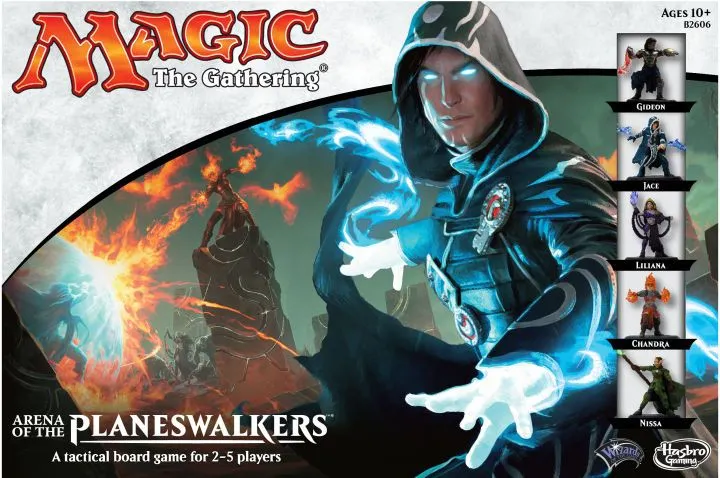
Magic: The Gathering – Arena of the Planeswalkers
2–5 joueurs60 min2015
Complexité 2,4/5
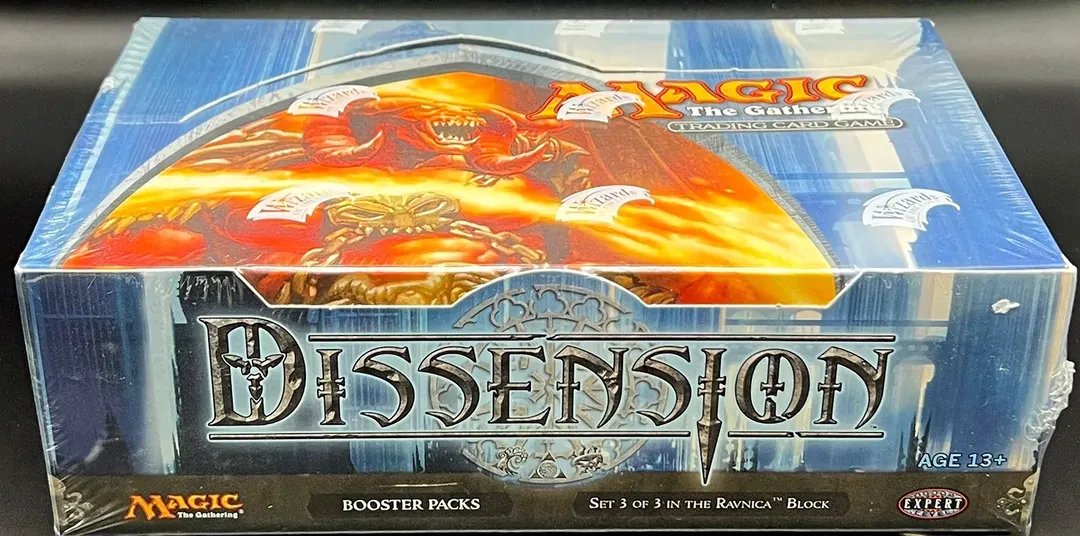
Aide aux règles de Magic: The Gathering – Dissension
Des explications claires des tours, effets de cartes et situations litigieuses, avec un historique des questions sauvegardé.
Que voulez-vous savoir ?
Les réponses viennent du livret officiel, avec la page à vérifier.
Magic: The Gathering – Dissension est une extension de Magic: The Gathering – Edition de base 2012 sortie en 2006 avec des parties de 20 minutes et à partir de 13 ans. Ses principales mécaniques sont Hand Management.
2–5 joueurs60 min2015

2–4 joueurs60 min2016

2–4 joueurs45–75 min2018
2–4 joueurs30 min2017
2–5 joueurs30 min2018

2–4 joueurs30 min2017

2–5 joueurs10–120 min2019

2–5 joueurs30 min2022

2 joueurs30 min2016

2 joueurs30 min1997
2 joueurs20 min2020

2–4 joueurs2026
2–4 joueurs60–120 min2015
2 joueurs15–45 min2018
2 joueurs45 min2009
2 joueurs30 min2017
2–4 joueurs60–120 min2008

1–5 joueurs90 min1995

2 joueurs10–50 min2019

2 joueurs20 min1996
2–6 joueurs45 min1998
2 joueurs20–45 min2020
2 joueurs20 min1999

2 joueurs20 min2001
En anglais
Trouble is brewing on Ravnica. Followers of the demon Rakdos live for instant gratification and nonstop hedonism. The Simic are tinkering with a primordial creature that threatens the very existence of the great city. Lawmages of the Azorius enlist spectral help to deal with the situation. Which guild will you choose? This 180-card deck includes introduces three more Ravnica guilds: Azorius Senate (blue-white), Rakdos Cult (black-red), and Simic Combine (green-blue). —description from the publisher
La durée indiquée pour Magic: The Gathering – Dissension est de 20 minutes, selon l’estimation de l’éditeur pour une partie complète. La durée réelle dépend du groupe, de l’effectif et de la connaissance des règles : les premières parties sont plus longues, les groupes expérimentés terminent plus vite. Mise en place et explication des règles ne sont pas comprises.
Le catalogue indique Magic: The Gathering – Dissension à partir de 13 ans. C’est la recommandation de l’éditeur ; elle tient compte de la lecture nécessaire, de la complexité des règles et des petits composants, pas seulement du thème. Les plus jeunes peuvent souvent participer avec l’aide d’un adulte : vérifiez l’âge indiqué sur votre édition et tenez compte de l’expérience de votre groupe.
Magic: The Gathering – Dissension obtient une note de complexité de 3,0 sur 5 auprès des joueurs de BoardGameGeek, ce qui en fait un jeu de complexité moyenne. Cette note reflète la quantité de règles, de planification et de décisions qu’exige une partie typique. Prévoyez une explication plus longue pour les jeux exigeants et utilisez un guide de préparation avant la soirée.
Magic: The Gathering – Dissension appartient à ces catégories : Card Game, Fantasy et Fighting. Ses principales mécaniques sont Hand Management. Les catégories décrivent le thème et l’univers d’un jeu, tandis que les mécaniques décrivent ce que les joueurs font réellement pendant leur tour. Chaque mécanique mène à une page du catalogue avec des jeux similaires.
Le catalogue présente Magic: The Gathering – Dissension comme une extension de Magic: The Gathering – Edition de base 2012. Les extensions ajoutent du contenu, des règles ou des scénarios au jeu de base et ne se jouent généralement pas seules : il vous faut donc Magic: The Gathering – Edition de base 2012 pour l’utiliser. Vérifiez que votre édition de Magic: The Gathering – Edition de base 2012 est compatible, car certaines extensions ont été révisées d’une édition à l’autre.