
- Rang BGG
- BGG #20 852
- Note BGG
- 8,0
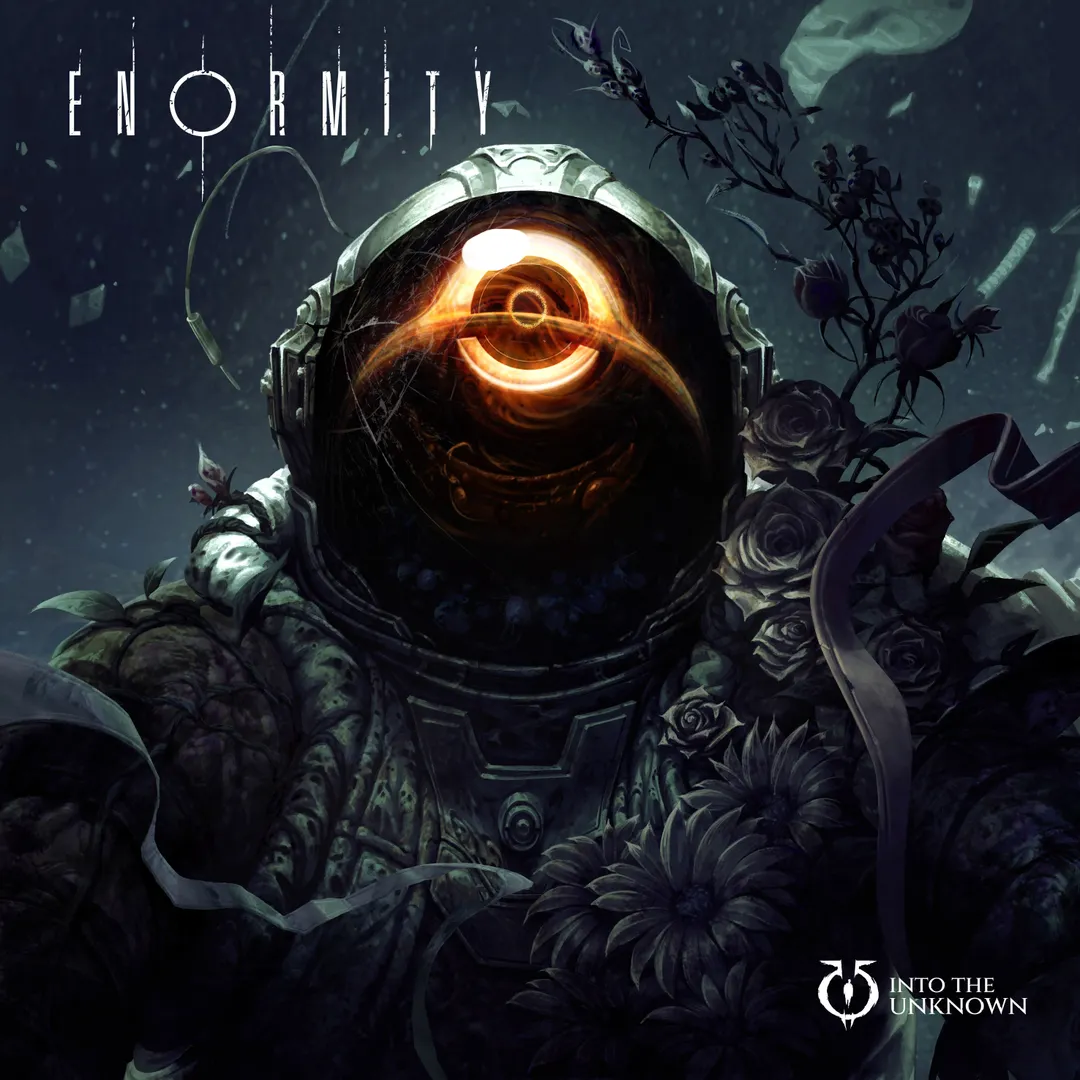
Enormity
- 1–4 joueurs
- 60–90 min
- Complexité 4,0/5
- 2026
Aide aux règles de Sewerville Shootout
Des explications claires des tours, effets de cartes et situations litigieuses, avec des références aux sources officielles et un historique des questions sauvegardé.
Que voulez-vous savoir ?
Les réponses viennent du livret officiel, avec la page à vérifier.
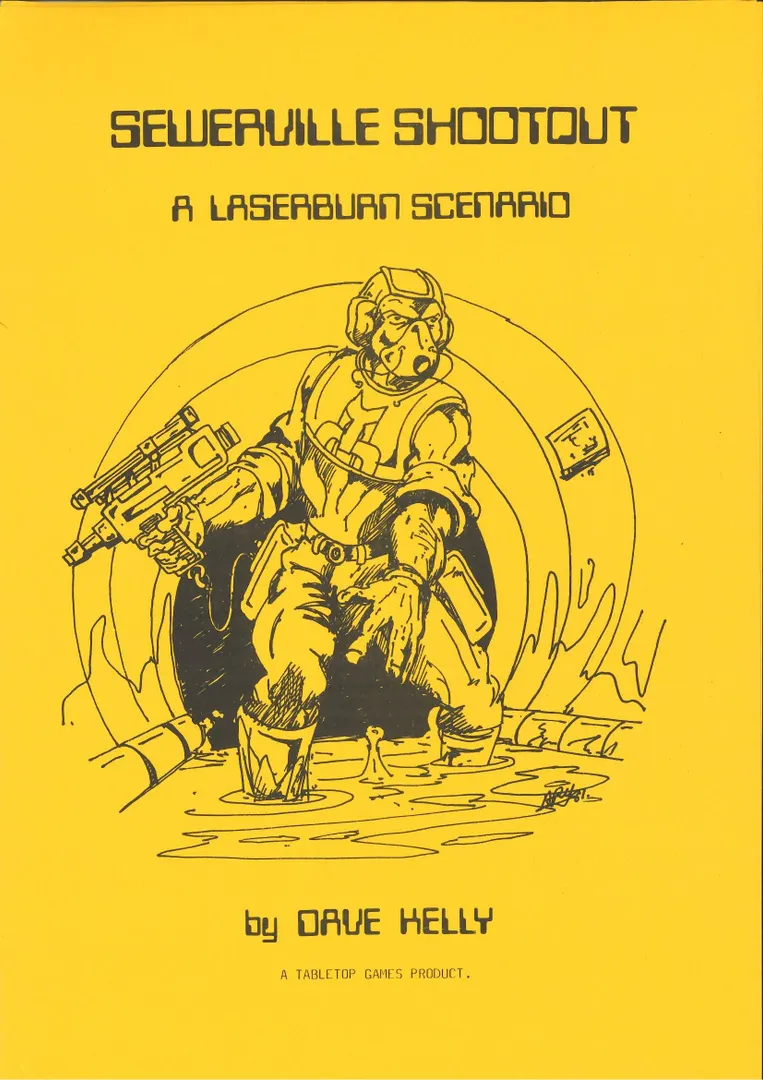
Sewerville Shootout est une extension de Laserburn: Sci-Fi Combat Rules sortie en 1981 pour 2 joueurs. Il a été conçu par Dave Kelly et ses principales mécaniques sont Dice Rolling, Variable Set-up et Square Grid.




En anglais
A Laserburn scenario featuring 3 map cards, an 8 page umpire folio and a 4 page player folio. Or to boldly go where no man has gone before. This scenario is set in an old complex of sewers, code-named "Sewerville". The ends of the main access tunnels collapsed ages ago, sealing this area off. No attempt was made to rescue the workers and robots that were trapped, and it was not long before they were forgotten. Recently though, it was discovered that the "Android Liberation Front" has its headquartesr down there. The Imperial inquisition has succeeded in getting one of their agents accepted by the ALFists, but the only information he has been able to sneak out is that they are camped in the lower level of the system, and that a large scale attack will soon be launched by them. Rather than risk their agent being discovered by the Frontists by bringing in Inquisition agents from all over the city, they have decide to risk the lives of an expendable group of mercenaries. Of course, the question of payment rears its ugly head, and rather than chop it off (the usual Inquisition tactic), the mecenaries will be paid. - from the players manual
Selon le catalogue, Sewerville Shootout se joue à 2 personnes. C’est le nombre de joueurs indiqué par l’éditeur : le jeu est donc conçu pour exactement ce nombre de participants. Les variantes pour d’autres tailles de groupe, s’il en existe, sont décrites dans la règle de votre édition ; consultez-la avant d’installer une autre configuration.
Sewerville Shootout obtient une note de complexité de 2,0 sur 5 auprès des joueurs de BoardGameGeek, ce qui en fait un jeu plutôt léger. Cette note reflète la quantité de règles, de planification et de décisions qu’exige une partie typique. Prévoyez une explication plus longue pour les jeux exigeants et utilisez un guide de préparation avant la soirée.
Sewerville Shootout appartient à ces catégories : Wargame, Miniatures et Science Fiction. Ses principales mécaniques sont Dice Rolling, Variable Set-up et Square Grid. Les catégories décrivent le thème et l’univers d’un jeu, tandis que les mécaniques décrivent ce que les joueurs font réellement pendant leur tour. Chaque mécanique mène à une page du catalogue avec des jeux similaires.
Les auteurs crédités pour Sewerville Shootout sont : Dave Kelly. Ces crédits proviennent des données publiées du jeu et désignent les personnes responsables de sa conception, et non les illustrateurs ou les éditeurs. Les pages d’auteurs sur MeepleRules regroupent les autres titres des mêmes auteurs, ce qui est utile lorsqu’un jeu vous plaît et que vous en cherchez de similaires.
Le catalogue présente Sewerville Shootout comme une extension de Laserburn: Sci-Fi Combat Rules. Les extensions ajoutent du contenu, des règles ou des scénarios au jeu de base et ne se jouent généralement pas seules : il vous faut donc Laserburn: Sci-Fi Combat Rules pour l’utiliser. Vérifiez que votre édition de Laserburn: Sci-Fi Combat Rules est compatible, car certaines extensions ont été révisées d’une édition à l’autre.