
- Rang BGG
- BGG #4 142
- Note BGG
- 7,4
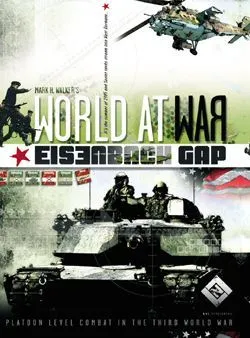
World at War: Eisenbach Gap
- 2 joueurs
- 90 min
- Complexité 2,6/5
- 2007
Aide aux règles de World at War: Counterattack
Des explications claires des tours, effets de cartes et situations litigieuses, avec des références aux sources officielles et un historique des questions sauvegardé.
Que voulez-vous savoir ?
Les réponses viennent du livret officiel, avec la page à vérifier.
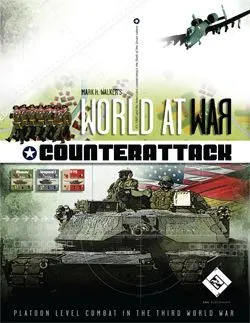
World at War: Counterattack est une extension de World at War: Blood and Bridges sortie en 2012 pour 2 joueurs, avec des parties de 90 minutes et à partir de 12 ans. Il a été conçu par Mark H. Walker et ses principales mécaniques sont Dice Rolling, Hexagon Grid et Chit-Pull System.



En anglais
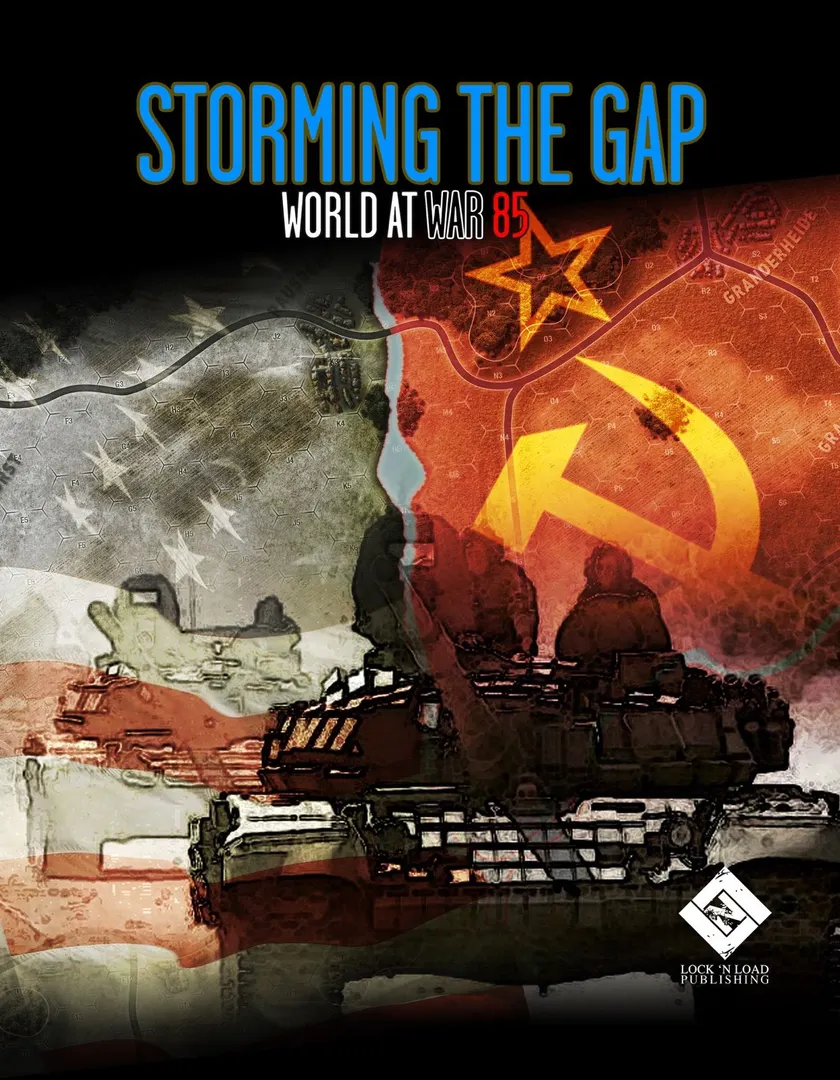
World at War: Counterattack - A scenario expansion pack for Blood and Bridges and Into the Breach. World at War: Counterattack recreates the American and West German counterattack into the southern flank of the Soviet thrust into West Germany. The battles occurred just after the events chronicled in Blood and Bridges, and prior to the final battles for Paris. Nine scenarios comprise the module. Four are stand alone, another three make up one campaign, and four more build the second campaign (two of the campaign scenarios can also be played as stand-alone battles). See below for additional details on the scenarios. The module uses a similar campaign system as the one that we employed in Battles within Battles. Winning scenarios awards the player with refit points, these points can be used to repair damaged units, buy new units, or buy unique skills for your units and leaders The system rewards the gamer who conserves his forces. Win the scenario, but decimate your forces, and you’ll lose the war…. Or at least this small piece of it.
Selon le catalogue, World at War: Counterattack se joue à 2 personnes. C’est le nombre de joueurs indiqué par l’éditeur : le jeu est donc conçu pour exactement ce nombre de participants. Les variantes pour d’autres tailles de groupe, s’il en existe, sont décrites dans la règle de votre édition ; consultez-la avant d’installer une autre configuration.
La durée indiquée pour World at War: Counterattack est de 90 minutes, selon l’estimation de l’éditeur pour une partie complète. La durée réelle dépend du groupe, de l’effectif et de la connaissance des règles : les premières parties sont plus longues, les groupes expérimentés terminent plus vite. Mise en place et explication des règles ne sont pas comprises.
Le catalogue indique World at War: Counterattack à partir de 12 ans. C’est la recommandation de l’éditeur ; elle tient compte de la lecture nécessaire, de la complexité des règles et des petits composants, pas seulement du thème. Les plus jeunes peuvent souvent participer avec l’aide d’un adulte : vérifiez l’âge indiqué sur votre édition et tenez compte de l’expérience de votre groupe.
World at War: Counterattack obtient une note de complexité de 2,3 sur 5 auprès des joueurs de BoardGameGeek, ce qui en fait un jeu plutôt léger. Cette note reflète la quantité de règles, de planification et de décisions qu’exige une partie typique. Prévoyez une explication plus longue pour les jeux exigeants et utilisez un guide de préparation avant la soirée.
World at War: Counterattack appartient à ces catégories : Wargame, Modern Warfare et Expansion for Base-game. Ses principales mécaniques sont Dice Rolling, Hexagon Grid et Chit-Pull System. Les catégories décrivent le thème et l’univers d’un jeu, tandis que les mécaniques décrivent ce que les joueurs font réellement pendant leur tour. Chaque mécanique mène à une page du catalogue avec des jeux similaires.
Les auteurs crédités pour World at War: Counterattack sont : Mark H. Walker. Ces crédits proviennent des données publiées du jeu et désignent les personnes responsables de sa conception, et non les illustrateurs ou les éditeurs. Les pages d’auteurs sur MeepleRules regroupent les autres titres des mêmes auteurs, ce qui est utile lorsqu’un jeu vous plaît et que vous en cherchez de similaires.
Le catalogue présente World at War: Counterattack comme une extension de World at War: Blood and Bridges. Les extensions ajoutent du contenu, des règles ou des scénarios au jeu de base et ne se jouent généralement pas seules : il vous faut donc World at War: Blood and Bridges pour l’utiliser. Vérifiez que votre édition de World at War: Blood and Bridges est compatible, car certaines extensions ont été révisées d’une édition à l’autre.