
- Posizione BGG
- BGG #11.799
- Valutazione BGG
- 7,3
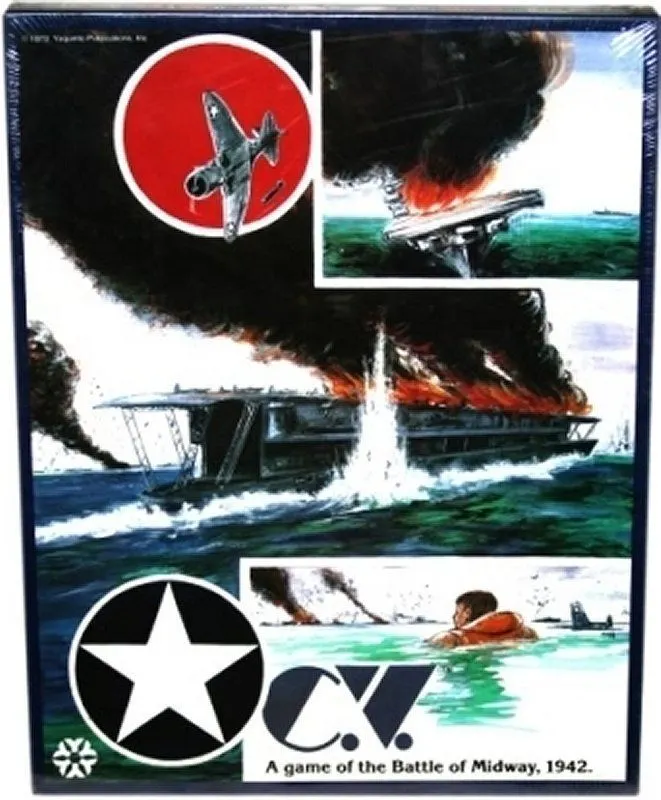
C.V.: A Game of the Battle of Midway
- 2–4 giocatori
- 300–1200 min
- Complessità 3,8/5
- 1979
1982
Aiuto con le regole di Fire When Ready
Spiegazioni chiare di turni, effetti delle carte e situazioni dubbie, con riferimenti alle fonti ufficiali e cronologia delle domande salvata.
Per 1 giocatore
Cosa vuoi sapere?
Le risposte vengono dal regolamento ufficiale, con la pagina da verificare.
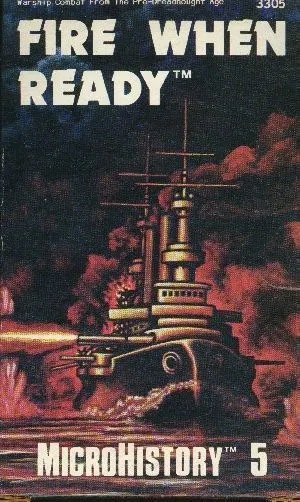
Fire When Ready è un gioco da tavolo pubblicato nel 1982 per 1–4 giocatori, con partite da 30 a 120 minuti e dai 12 anni in su. È stato ideato da Michael Barnhart e le sue meccaniche principali sono Dice Rolling, Simultaneous Action Selection e Grid Movement.
In inglese
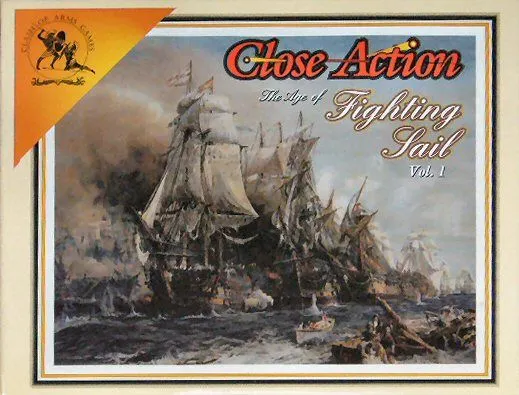
MicroHistory #5 in the Metagaming MicroHistory series. From the 1870's until 1906 was the age of pre-dreadnought battle wagons. The USA, Britain, France and other great powers began to build large navies of advanced ironclads. Fire When Ready explores this neglected era, allowing players to assemble fleets of battle wagons, cruisers, destroyers and torpedo boats. From back of the box: You Command in an Age of Valor... Naval battles have always been a bloodbath. Brave men desparately fight their proud ships amidst shell-fire and death. Before air-craft carriers, before Battleships, before Dreadnoughts there was an age of iron and coal and steam, of guns and men and death as sailors learned the new future of iron ships at sea. Fire When Ready puts you in command of those ships. From Manila to Tsushima you command in a playable, fast-paced recreation. Fire When Ready has two player, solitaire, and multi-palyer scenarios with basic and advanced rules. Scenarios cover Britain vs. France, Germans vs. Dewey, the Chinese vs. Japanese Battle of the Yalu, U.S. vs. Spain at Santiago, and Russia vs. Japan at Tsushima. Components: Rules, Map, Ship Counters
Secondo il catalogo, Fire When Ready supporta da 1 a 4 giocatori. L’intervallo corrisponde al numero di giocatori indicato dall’editore, quindi il gioco si può preparare per qualsiasi gruppo entro quei limiti. Preparazione, alcune regole e punteggio possono comunque variare in base al numero di giocatori: controlla la configurazione esatta nel regolamento della tua edizione.
La durata indicata per Fire When Ready è di 30–120 minuti, la stima dell’editore per una partita completa. La durata effettiva dipende dal gruppo, dal numero di giocatori e dalla conoscenza delle regole: le prime partite durano di più, i gruppi esperti finiscono prima. Preparazione e spiegazione delle regole non sono comprese nella stima.
Il catalogo indica Fire When Ready dai 12 anni in su. È la raccomandazione dell’editore e tiene conto della lettura richiesta, della complessità delle regole e dei componenti piccoli, non solo del tema. I più giovani spesso possono giocare con l’aiuto di un adulto: controlla l’età consigliata sulla tua edizione e l’esperienza del tuo gruppo con i giochi da tavolo.
Fire When Ready ha un punteggio di complessità di 2,2 su 5 secondo i giocatori di BoardGameGeek, il che lo rende un gioco piuttosto leggero. Il punteggio riflette quanta conoscenza delle regole, pianificazione e decisioni richiede una partita tipica. I giochi impegnativi richiedono una prima spiegazione più lunga, quindi conviene usare una guida di preparazione.
Fire When Ready appartiene a queste categorie: Wargame, Nautical e Post-Napoleonic. Le sue meccaniche principali sono Dice Rolling, Simultaneous Action Selection e Grid Movement. Le categorie descrivono il tema e l’ambientazione di un gioco, mentre le meccaniche descrivono ciò che i giocatori fanno davvero nel proprio turno. Ogni meccanica porta a una pagina del catalogo con giochi simili.
Gli autori accreditati di Fire When Ready sono: Michael Barnhart. Questi crediti provengono dai dati pubblicati del gioco e indicano le persone responsabili della sua progettazione, non gli illustratori o gli editori. Le pagine degli autori su MeepleRules raccolgono altri titoli degli stessi autori, utili quando un gioco ti piace e ne cerchi di simili.
Il catalogo classifica Fire When Ready come gioco base. Si gioca da solo con i componenti presenti nella scatola e non richiede altri titoli. Le espansioni, se esistono, aggiungono nuovo contenuto o nuove regole e sono elencate separatamente nel catalogo con un collegamento a questo gioco base.