
- Posizione BGG
- BGG #8819
- Valutazione BGG
- 6,0
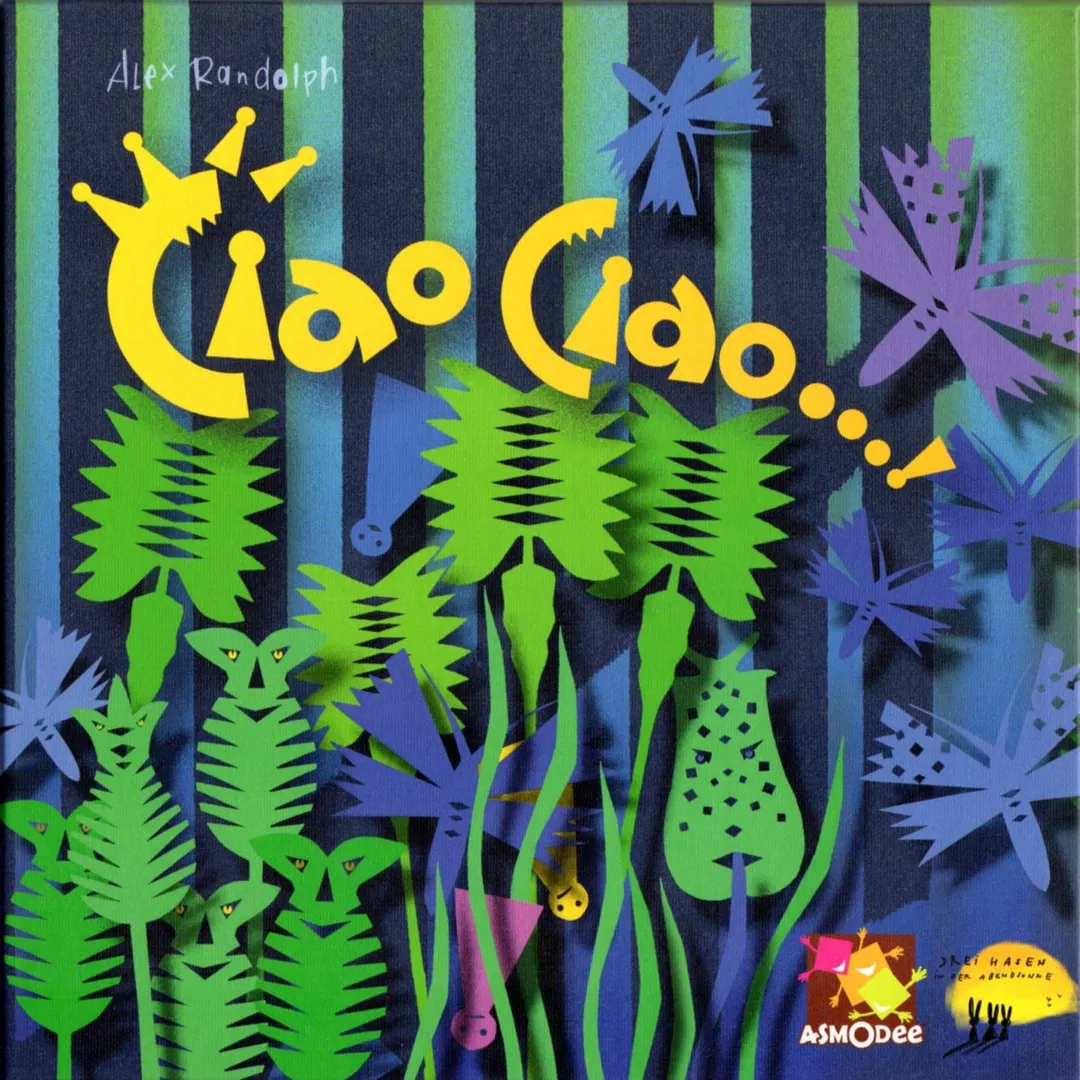
Ciao, Ciao...
- 2–4 giocatori
- 30 min
- Complessità 1,1/5
- 1997

1981
Aiuto con le regole di Moonstar
Spiegazioni chiare di turni, effetti delle carte e situazioni dubbie, con riferimenti alle fonti ufficiali e cronologia delle domande salvata.
Cosa vuoi sapere?
Le risposte vengono dal regolamento ufficiale, con la pagina da verificare.
Moonstar è un gioco da tavolo pubblicato nel 1981 per 2–12 giocatori, con partite da 30 minuti e dai 12 anni in su. È stato ideato da Alex Randolph e le sue meccaniche principali sono Auction / Bidding, Dice Rolling e Betting and Bluffing.






In inglese
First was published 'Corona' (1974). Moonstar (1981) added planets and variants (variant number 8 is Corona, without sand timer). 'Harun' (1984) is not new game, it is a rethemed copy of Moonstar! 'Orbit' (1993) a new variation including the Corona variations & Harun. Finally, Randolph recycled most of the game into his 'Rasende Roboter' ('Ricochet Robots') (1999) , although the course mechanism and the objective were completely changed. Quite possibly the first "German" game to cross the Atlantic... About the game (from the back of the box) Moonstar is a game unlike any other game for any number of people. All the action is governed by dice, yet there is no luck involved. The dice simply establish the situation. It is up to the players to act upon it. A game with endless variety. Playable by any number of people, from one to a hundred, Moonstar combines numbers calculations, memory, and quick-thinking into a fast-playing, action-packed, exciting contest of pure skill. The board represents the twelve constellations (stars) of the Zodiac and the playing pieces represent moons and planets. Each game consists of a number of rounds of play. In each round, the board and playing pieces are first setup by one of the players. Then the dice are thrown. A one-minute auction period begins. Each player may bid any number of times in the auction or not at all. Each bid, however, must be higher than the previous one. When the one-minute runs out, the highest bidder plays that round. The play of the round also lasts one minute. A player plays a round by placing one die on each moon on the, board and then moving that moon (and die) a number of stars equal to the number of the die. The die is then removed and the moon may not be moved again. This procedure is followed for each moon. The player must move each moon before the time runs out, or those moons which have not been moved may not move. The player's score is then totaled to see if he has made his bid, by scoring a number of points for each moon, depending on which stars and planets they have landed on, If a player makes his bid, he scores a number of points equal to his bid. If he fails, he scores nothing. Rounds are setup and played in this manner until one player has scored enough points to win. But this is only the beginning. Moonstar is actually twelve games in one. Game One is simply the Basic Game. Games Two-Twelve each change one or more parts of Game One, or add something to it. They introduce things like challenging bids, side bets, more moons, more dice, different planet values, no planets. and advanced scoring methods. Includes: 16" x 16" gameboard 15 moon pieces 21 planet pieces 1 minute sand timer 11 6-sided dice rulebook Re-implements: Corona Re-implemented by: Orbit Ricochet Robots
Secondo il catalogo, Moonstar supporta da 2 a 12 giocatori. L’intervallo corrisponde al numero di giocatori indicato dall’editore, quindi il gioco si può preparare per qualsiasi gruppo entro quei limiti. Preparazione, alcune regole e punteggio possono comunque variare in base al numero di giocatori: controlla la configurazione esatta nel regolamento della tua edizione.
La durata indicata per Moonstar è di 30 minuti, la stima dell’editore per una partita completa. La durata effettiva dipende dal gruppo, dal numero di giocatori e dalla conoscenza delle regole: le prime partite durano di più, i gruppi esperti finiscono prima. Preparazione e spiegazione delle regole non sono comprese nella stima.
Il catalogo indica Moonstar dai 12 anni in su. È la raccomandazione dell’editore e tiene conto della lettura richiesta, della complessità delle regole e dei componenti piccoli, non solo del tema. I più giovani spesso possono giocare con l’aiuto di un adulto: controlla l’età consigliata sulla tua edizione e l’esperienza del tuo gruppo con i giochi da tavolo.
Moonstar ha un punteggio di complessità di 1,6 su 5 secondo i giocatori di BoardGameGeek, il che lo rende un gioco leggero. Il punteggio riflette quanta conoscenza delle regole, pianificazione e decisioni richiede una partita tipica. I giochi impegnativi richiedono una prima spiegazione più lunga, quindi conviene usare una guida di preparazione.
Moonstar appartiene a queste categorie: Dice e Abstract Strategy. Le sue meccaniche principali sono Auction / Bidding, Dice Rolling e Betting and Bluffing. Le categorie descrivono il tema e l’ambientazione di un gioco, mentre le meccaniche descrivono ciò che i giocatori fanno davvero nel proprio turno. Ogni meccanica porta a una pagina del catalogo con giochi simili.
Gli autori accreditati di Moonstar sono: Alex Randolph. Questi crediti provengono dai dati pubblicati del gioco e indicano le persone responsabili della sua progettazione, non gli illustratori o gli editori. Le pagine degli autori su MeepleRules raccolgono altri titoli degli stessi autori, utili quando un gioco ti piace e ne cerchi di simili.
Il catalogo classifica Moonstar come gioco base. Si gioca da solo con i componenti presenti nella scatola e non richiede altri titoli. Le espansioni, se esistono, aggiungono nuovo contenuto o nuove regole e sono elencate separatamente nel catalogo con un collegamento a questo gioco base.