
- Posizione BGG
- BGG #2314
- Valutazione BGG
- 7,1
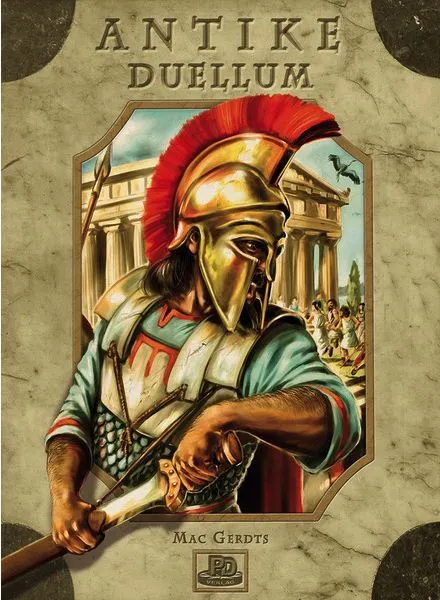
Antike Duellum
- 2 giocatori
- 75 min
- Complessità 2,9/5
- 2012
2024
Aiuto con le regole di Obelus
Spiegazioni chiare di turni, effetti delle carte e situazioni dubbie, con riferimenti alle fonti ufficiali e cronologia delle domande salvata.
Per 2 giocatori
Cosa vuoi sapere?
Le risposte vengono dal regolamento ufficiale, con la pagina da verificare.
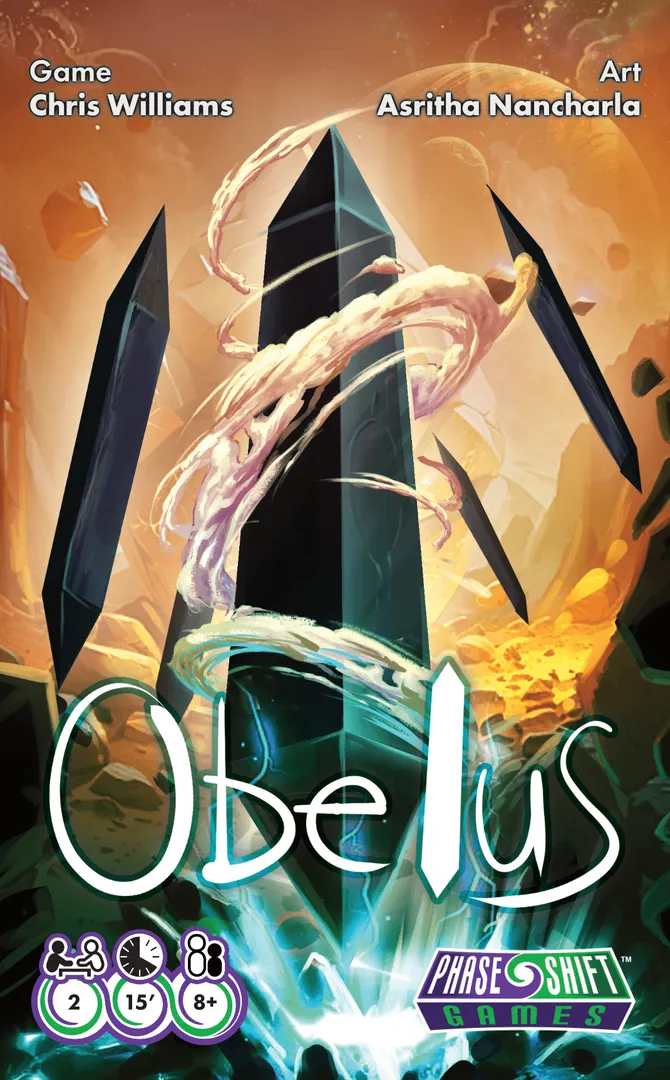
Obelus è un gioco da tavolo pubblicato nel 2024 per 2 giocatori, con partite da 10 a 15 minuti e dai 8 anni in su. È stato ideato da Chris A. Williams e le sue meccaniche principali sono Area Movement, Dice Rolling e Die Icon Resolution.
In inglese
Vast obelisks, existing beyond time and space, are believed to represent the very essence of purity and chaos. Unknown powers endlessly summon, shift, and banish these obelisks, igniting massive rifts between dimensions. Through these rifts, Mensors have learned to channel their powers to manipulate this phenomenon. They have come to call this eternal cycle - Obelus. Obelus is a light-weight, 2-player abstract strategy game, playable in 10-15 minutes. Taking on the role of a powerful Mensor, you will summon obelisk shaped dice onto conflux cards, shift your obelisks according to the number showing, and banish your opponent’s obelisks. Through clever maneuvering, banished obelisks may be reformed, creating a rift that prevents further summoning on that conflux. You win when your opponent cannot legally summon or shift an obelisk! Two game modes are included: - Chaos: In this mode, dice are initially rolled into the center of the game area, adding a layer of emerging strategies in how players will make best use of the numbers rolled. - Pure: This mode offers perfect information. Dice are never rolled, offering players full control over their chosen number as they are summoned and shifted around the game board. —description from the publisher
Secondo il catalogo, Obelus supporta 2 giocatori. È il numero di giocatori indicato dall’editore, quindi il gioco è pensato esattamente per quel numero di partecipanti. Le varianti per gruppi di altre dimensioni, se esistono, sono descritte nel regolamento della tua edizione: consultalo prima di preparare una configurazione diversa.
La durata indicata per Obelus è di 10–15 minuti, la stima dell’editore per una partita completa. La durata effettiva dipende dal gruppo, dal numero di giocatori e dalla conoscenza delle regole: le prime partite durano di più, i gruppi esperti finiscono prima. Preparazione e spiegazione delle regole non sono comprese nella stima.
Il catalogo indica Obelus dai 8 anni in su. È la raccomandazione dell’editore e tiene conto della lettura richiesta, della complessità delle regole e dei componenti piccoli, non solo del tema. I più giovani spesso possono giocare con l’aiuto di un adulto: controlla l’età consigliata sulla tua edizione e l’esperienza del tuo gruppo con i giochi da tavolo.
Obelus appartiene a queste categorie: Dice e Abstract Strategy. Le sue meccaniche principali sono Area Movement, Dice Rolling e Die Icon Resolution. Le categorie descrivono il tema e l’ambientazione di un gioco, mentre le meccaniche descrivono ciò che i giocatori fanno davvero nel proprio turno. Ogni meccanica porta a una pagina del catalogo con giochi simili.
Gli autori accreditati di Obelus sono: Chris A. Williams. Questi crediti provengono dai dati pubblicati del gioco e indicano le persone responsabili della sua progettazione, non gli illustratori o gli editori. Le pagine degli autori su MeepleRules raccolgono altri titoli degli stessi autori, utili quando un gioco ti piace e ne cerchi di simili.
Il catalogo classifica Obelus come gioco base. Si gioca da solo con i componenti presenti nella scatola e non richiede altri titoli. Le espansioni, se esistono, aggiungono nuovo contenuto o nuove regole e sono elencate separatamente nel catalogo con un collegamento a questo gioco base.