
- Posizione BGG
- BGG #16.585
- Valutazione BGG
- 6,0
Air Cav
- 2 giocatori
- 90 min
- Complessità 2,7/5
- 1985
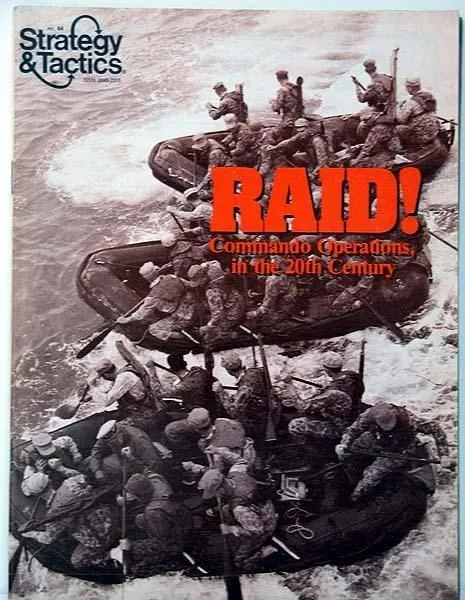
1977
Aiuto con le regole di Raid! Commando Operations, in the 20th Century
Spiegazioni chiare di turni, effetti delle carte e situazioni dubbie, con riferimenti alle fonti ufficiali e cronologia delle domande salvata.
Per 2 giocatori
Cosa vuoi sapere?
Le risposte vengono dal regolamento ufficiale, con la pagina da verificare.
Raid! Commando Operations, in the 20th Century è un gioco da tavolo pubblicato nel 1977 per 2 giocatori, con partite da 30 a 240 minuti e dai 12 anni in su. È stato ideato da Mark Herman e Tony Merridy e le sue meccaniche principali sono Hexagon Grid.
In inglese
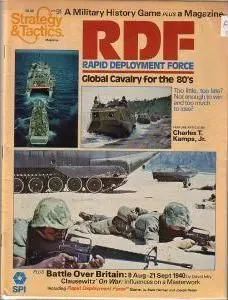
Raid!: Commando Operations in the 20th Century, is a tactical-level simulation of commando tactics and operations from World War II to the near future. First appeared in Strategy & Tactics magazine #64 (September/October 1977). From the introduction: Raid! The game is played by scenario. There are several historical scenarios as well as provisions for the players to make up their own. The map is a 3-color map. Units are two- or four-man fire teams, with individual tanks, truck, command centers, helicopters, etc. depicted. There are extensive and rational command control rules. Game Scale: Game Turn: 2 minutes Hex: 27 yards / 25 meters Units: 2 to 4 soldiers Game Inventory: One 22 x 34" six color maps One dual-side printed countersheet (200 1/2" counters) One 12-page Raid! rulebook One 6-sided dice (not included in magazine version) Solitaire Playability: Medium Complexity Level: Medium Players: 2 or more Playing Time: .5-4 hours
Secondo il catalogo, Raid! Commando Operations, in the 20th Century supporta 2 giocatori. È il numero di giocatori indicato dall’editore, quindi il gioco è pensato esattamente per quel numero di partecipanti. Le varianti per gruppi di altre dimensioni, se esistono, sono descritte nel regolamento della tua edizione: consultalo prima di preparare una configurazione diversa.
La durata indicata per Raid! Commando Operations, in the 20th Century è di 30–240 minuti, la stima dell’editore per una partita completa. La durata effettiva dipende dal gruppo, dal numero di giocatori e dalla conoscenza delle regole: le prime partite durano di più, i gruppi esperti finiscono prima. Preparazione e spiegazione delle regole non sono comprese nella stima.
Il catalogo indica Raid! Commando Operations, in the 20th Century dai 12 anni in su. È la raccomandazione dell’editore e tiene conto della lettura richiesta, della complessità delle regole e dei componenti piccoli, non solo del tema. I più giovani spesso possono giocare con l’aiuto di un adulto: controlla l’età consigliata sulla tua edizione e l’esperienza del tuo gruppo con i giochi da tavolo.
Raid! Commando Operations, in the 20th Century ha un punteggio di complessità di 2,6 su 5 secondo i giocatori di BoardGameGeek, il che lo rende un gioco piuttosto leggero. Il punteggio riflette quanta conoscenza delle regole, pianificazione e decisioni richiede una partita tipica. I giochi impegnativi richiedono una prima spiegazione più lunga, quindi conviene usare una guida di preparazione.
Raid! Commando Operations, in the 20th Century appartiene a queste categorie: Wargame, World War II e Modern Warfare. Le sue meccaniche principali sono Hexagon Grid. Le categorie descrivono il tema e l’ambientazione di un gioco, mentre le meccaniche descrivono ciò che i giocatori fanno davvero nel proprio turno. Ogni meccanica porta a una pagina del catalogo con giochi simili.
Gli autori accreditati di Raid! Commando Operations, in the 20th Century sono: Mark Herman e Tony Merridy. Questi crediti provengono dai dati pubblicati del gioco e indicano le persone responsabili della sua progettazione, non gli illustratori o gli editori. Le pagine degli autori su MeepleRules raccolgono altri titoli degli stessi autori, utili quando un gioco ti piace e ne cerchi di simili.
Il catalogo classifica Raid! Commando Operations, in the 20th Century come gioco base. Si gioca da solo con i componenti presenti nella scatola e non richiede altri titoli. Le espansioni, se esistono, aggiungono nuovo contenuto o nuove regole e sono elencate separatamente nel catalogo con un collegamento a questo gioco base.