
- Posizione BGG
- BGG #3144
- Valutazione BGG
- 8,1
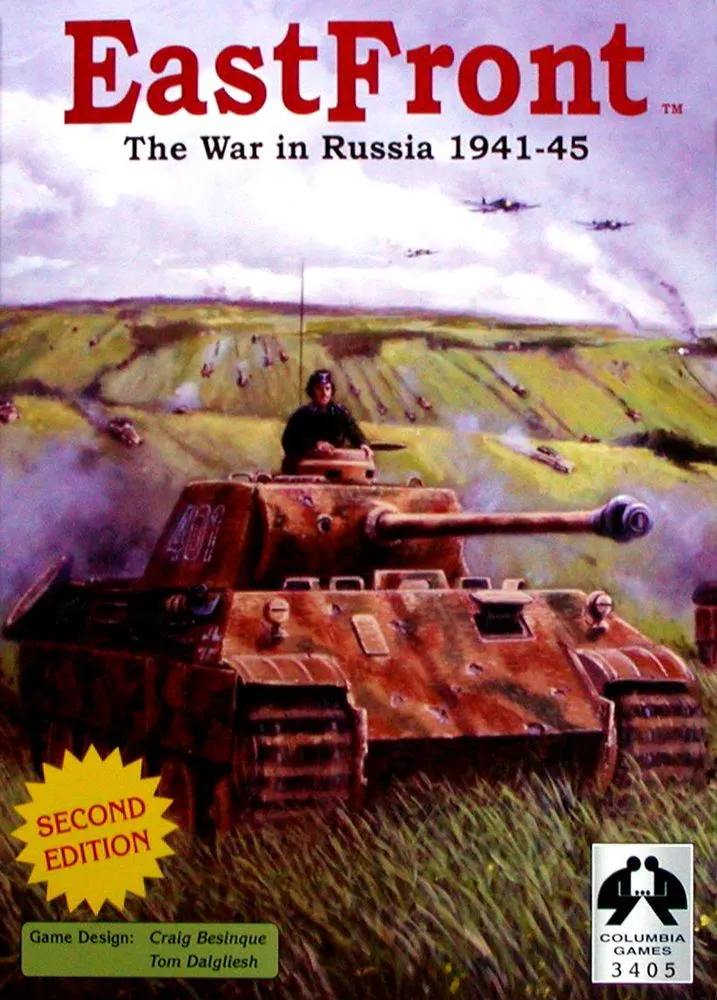
EastFront: The War in Russia 1941-45 – Second Edition
- 2 giocatori
- 240 min
- Complessità 3,5/5
- 2006
1982
Aiuto con le regole di Rommel in the Desert
Spiegazioni chiare di turni, effetti delle carte e situazioni dubbie, con riferimenti alle fonti ufficiali e cronologia delle domande salvata.
Per 2 giocatori
Cosa vuoi sapere?
Le risposte vengono dal regolamento ufficiale, con la pagina da verificare.
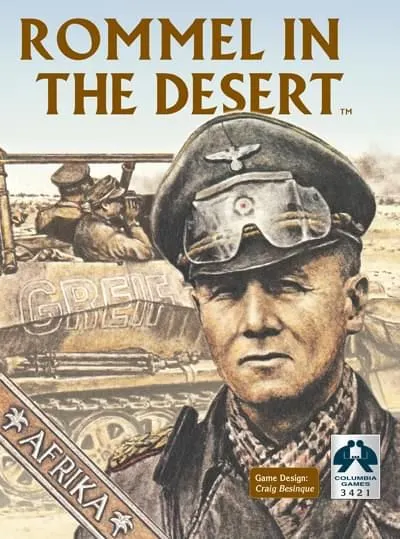
Rommel in the Desert è un gioco da tavolo pubblicato nel 1982 per 2 giocatori, con partite da 180 a 480 minuti e dai 12 anni in su. È stato ideato da Craig Besinque e le sue meccaniche principali sono Dice Rolling, Secret Unit Deployment e Hexagon Grid.





In inglese
Rommel in the Desert is a fast-moving, challenging, tense, and playable wargame based on the North Africa desert campaign of World War II. This game has been enjoyed by thousands of gamers for 40 years. Experience the wargame many consider the best on the subject. Rommel in the Desert simulates the experience of command. The real problems of generals have nothing to do with shuffling combat factors to get a perfect 3-1 attack while the enemy waits passively to be overwhelmed. Rommel gained many of his victories by employing speed, daring, and surprise. In this game, as in the desert campaign, the events of the battlefield are often subordinate to the battle of wits and nerves between opposing commanders. A good grasp of strategy will help, but foresight, nerve, and instinct are the crucial elements of success. CONTENTS 100 wooden blocks (20mm) Labels Mapboard (11 x 34 inches) Rules 1.02 42 Supply Cards 4 Dice (adapted from Columbia Games website) Rommel in the Desert is a pre-"Front" game touching on the conflict between the British and Germans in North Africa during WWII. A game of maneuver, each side has to move with precision and know when to strike, since a cut in supply spells disaster for either side. The supply system is card driven. The game comes with a map of North Africa and 100 wooden blocks to represent the British and Germans. This title uses Columbia Games Block system. While there are variations in the rule sets for each of their games nonetheless all of their games are based on block system. Basically this means that rather than the traditional use of counters to represent units on the map the game instead uses wooden blocks that stand upright and with unit details only shown on one side of the blocks. This does two things: First it provides an easy way of producing a "fog of war" because your opponent can not tell, save through good memory, what type of unit a specific piece is and its current strength. Second, by having the blocks stand on end it provides a way to keep track of a units strength by rotating the block so the current strength is the top number. Most war games have some type of mechanism that lets units take steps in their overall strength. Counters normally have at most two steps because of they only have two sides, however blocks have four and so now you can easily keep track of twice the amount of detail that many other war games provide. With the use of blocks Columbia has provided a way of adding a good deal of depth to their war games without adding further complex layers of bookkeeping and thus allow for interesting and relatively short sessions of play. (from BGG user)
Secondo il catalogo, Rommel in the Desert supporta 2 giocatori. È il numero di giocatori indicato dall’editore, quindi il gioco è pensato esattamente per quel numero di partecipanti. Le varianti per gruppi di altre dimensioni, se esistono, sono descritte nel regolamento della tua edizione: consultalo prima di preparare una configurazione diversa.
La durata indicata per Rommel in the Desert è di 180–480 minuti, la stima dell’editore per una partita completa. La durata effettiva dipende dal gruppo, dal numero di giocatori e dalla conoscenza delle regole: le prime partite durano di più, i gruppi esperti finiscono prima. Preparazione e spiegazione delle regole non sono comprese nella stima.
Il catalogo indica Rommel in the Desert dai 12 anni in su. È la raccomandazione dell’editore e tiene conto della lettura richiesta, della complessità delle regole e dei componenti piccoli, non solo del tema. I più giovani spesso possono giocare con l’aiuto di un adulto: controlla l’età consigliata sulla tua edizione e l’esperienza del tuo gruppo con i giochi da tavolo.
Rommel in the Desert ha un punteggio di complessità di 3,4 su 5 secondo i giocatori di BoardGameGeek, il che lo rende un gioco di media complessità. Il punteggio riflette quanta conoscenza delle regole, pianificazione e decisioni richiede una partita tipica. I giochi impegnativi richiedono una prima spiegazione più lunga, quindi conviene usare una guida di preparazione.
Rommel in the Desert appartiene a queste categorie: Wargame e World War II. Le sue meccaniche principali sono Dice Rolling, Secret Unit Deployment e Hexagon Grid. Le categorie descrivono il tema e l’ambientazione di un gioco, mentre le meccaniche descrivono ciò che i giocatori fanno davvero nel proprio turno. Ogni meccanica porta a una pagina del catalogo con giochi simili.
Gli autori accreditati di Rommel in the Desert sono: Craig Besinque. Questi crediti provengono dai dati pubblicati del gioco e indicano le persone responsabili della sua progettazione, non gli illustratori o gli editori. Le pagine degli autori su MeepleRules raccolgono altri titoli degli stessi autori, utili quando un gioco ti piace e ne cerchi di simili.
Il catalogo classifica Rommel in the Desert come gioco base. Si gioca da solo con i componenti presenti nella scatola e non richiede altri titoli. Le espansioni, se esistono, aggiungono nuovo contenuto o nuove regole e sono elencate separatamente nel catalogo con un collegamento a questo gioco base.