
- Posizione BGG
- BGG #3518
- Valutazione BGG
- 7,7
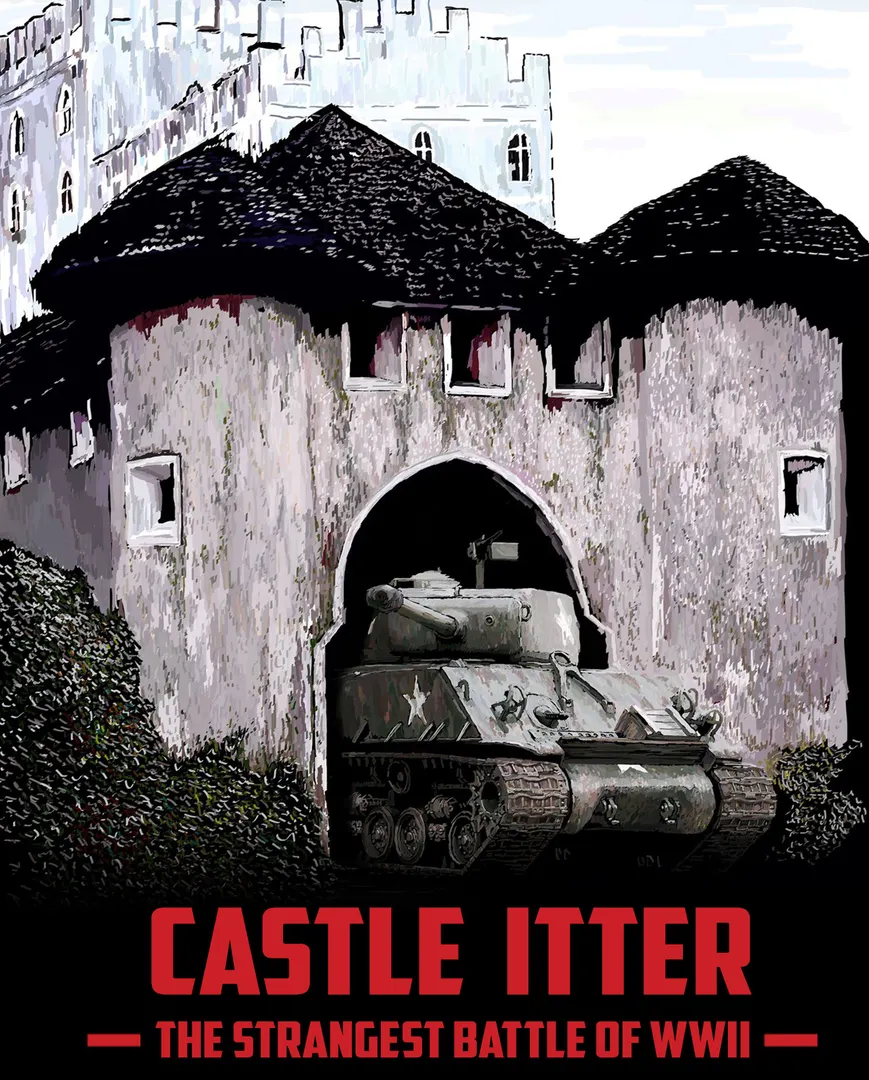
Castle Itter: The Strangest Battle of WWII
- 1 giocatore
- 45–60 min
- Complessità 2,3/5
- 2019
2021
Aiuto con le regole di Soldiers in Postmen's Uniforms
Spiegazioni chiare di turni, effetti delle carte e situazioni dubbie, con riferimenti alle fonti ufficiali e cronologia delle domande salvata.
Per 1 giocatore
Cosa vuoi sapere?
Le risposte vengono dal regolamento ufficiale, con la pagina da verificare.
Soldiers in Postmen's Uniforms è un gioco da tavolo pubblicato nel 2021 per 1 giocatore, con partite da 60 a 75 minuti e dai 10 anni in su. È stato ideato da David Thompson (I) e le sue meccaniche principali sono Dice Rolling, Point to Point Movement e Simulation.


In inglese
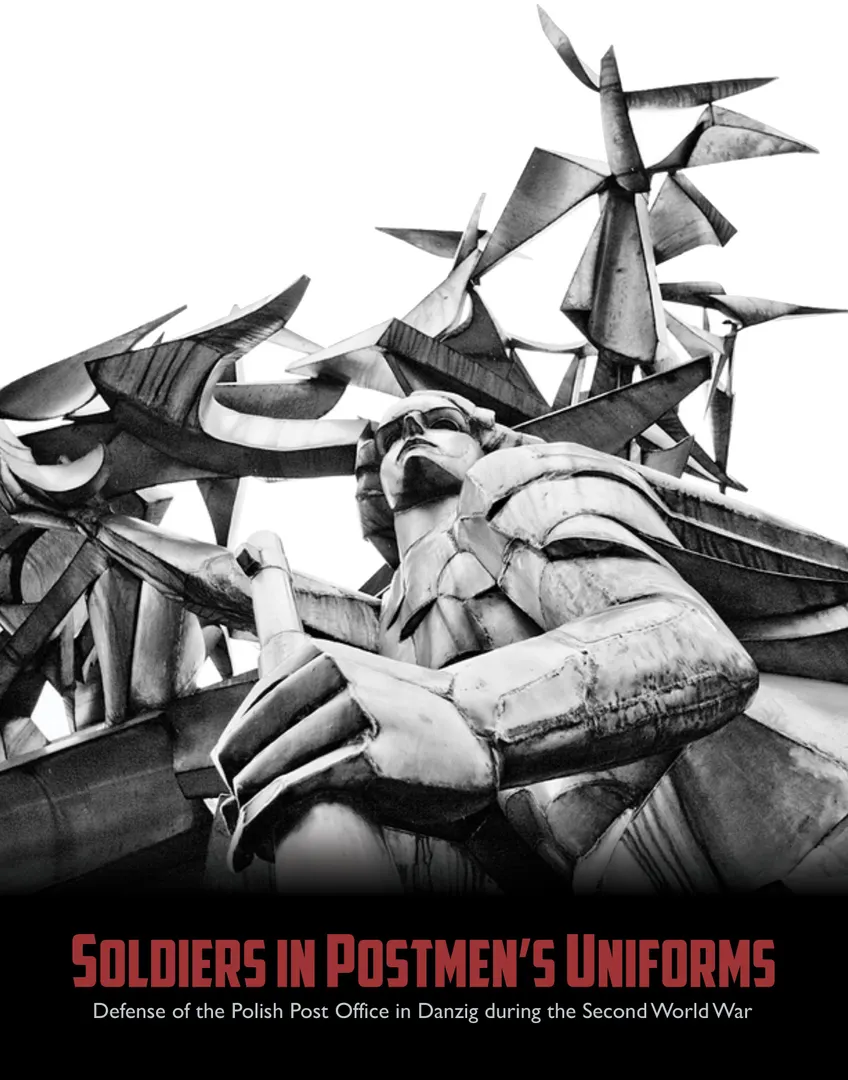
"Soldiers in Postmen's Uniforms" is a skirmish-level solitaire wargame that takes place in the Free City of Danzig on the first day of the Second World War. Danzig (present-day Gdańsk) came into being in 1920, in accordance with the 1919 Treaty of Versailles. Over the next two decades the city became a flash-point in Polish-German relations, which culminated in the Danzig Crisis of 1939. On the first day of the Second World War, German forces moved in to seize Polish installations in Danzig. Two of the installations were on alert and under orders to hold out: the Military Transit Depot on the peninsula of Westerplatte and the Polish Postal Office No. 1. The personnel of the post office repulsed repeated assaults, and were forced to surrender only after a day-long siege, when the post office was doused with gasoline and set alight. Though German propaganda cast these acts of defiance as futile and a failure, they were viewed by the Polish people as symbolic of their stand against a materially superior aggressor. In Soldiers in Postmen’s Uniforms you take control of the valiant defenders of Polish Postal Office No. 1 in the Free City of Danzig on the first day of WW2. Under your command, the defenders must fend off relentless attacks from the Danzig Schutzpolizei and two German SS units. Object of the Game The goal of Soldiers in Postmen’s Uniforms is to recreate the incredible historic accomplishment of the Polish postal workers by defending the post office during the day-long siege. You must last until the three enemy card decks are depleted, while protecting the postal workers and non-combatants. You score points for defenders that survive the assault — the higher your score, the better. Gameplay Soldiers in Postmen’s Uniforms is divided into three attack periods, each of which is represented by a deck of enemy cards. Attack 1 took place during the morning hours. This was the Danzig Schutzpolizei’s initial assault, which targeted the rear of the post office. Attack 2 took place during midday. In this assault, the Schutzpolizei attacked the front of the post office and were supported by armored vehicles as well as infantry guns and a howitzer from SS units. Attack 3 took place in the evening. This final assault was conducted by elements of two SS units against the front of the post office. It ended when the attackers brought up a fire engine filled with gasoline, pumped it into the building, and ignited it with a hand grenade. Each attack period is divided into turns, and each turn consists of three or four phases (depending on the attack period): Enemy Phase: Resolve five enemy cards. Defense Phase: Perform four moves and four actions with defenders. Clearing Phase: Assault counters inside the building remove defenders. Escape Phase (Attack 3 only): Defenders escape from the building. The game ends at the end of the turn when you draw the enemy fire engine card during Attack 3. At the end of the game, your score is based on the number of noncombatants and postal workers that survived the attacks. —description from the publisher
Secondo il catalogo, Soldiers in Postmen's Uniforms supporta 1 giocatore. È il numero di giocatori indicato dall’editore, quindi il gioco è pensato esattamente per quel numero di partecipanti. Le varianti per gruppi di altre dimensioni, se esistono, sono descritte nel regolamento della tua edizione: consultalo prima di preparare una configurazione diversa.
La durata indicata per Soldiers in Postmen's Uniforms è di 60–75 minuti, la stima dell’editore per una partita completa. La durata effettiva dipende dal gruppo, dal numero di giocatori e dalla conoscenza delle regole: le prime partite durano di più, i gruppi esperti finiscono prima. Preparazione e spiegazione delle regole non sono comprese nella stima.
Il catalogo indica Soldiers in Postmen's Uniforms dai 10 anni in su. È la raccomandazione dell’editore e tiene conto della lettura richiesta, della complessità delle regole e dei componenti piccoli, non solo del tema. I più giovani spesso possono giocare con l’aiuto di un adulto: controlla l’età consigliata sulla tua edizione e l’esperienza del tuo gruppo con i giochi da tavolo.
Soldiers in Postmen's Uniforms ha un punteggio di complessità di 2,7 su 5 secondo i giocatori di BoardGameGeek, il che lo rende un gioco piuttosto leggero. Il punteggio riflette quanta conoscenza delle regole, pianificazione e decisioni richiede una partita tipica. I giochi impegnativi richiedono una prima spiegazione più lunga, quindi conviene usare una guida di preparazione.
Soldiers in Postmen's Uniforms appartiene a queste categorie: Wargame e World War II. Le sue meccaniche principali sono Dice Rolling, Point to Point Movement e Simulation. Le categorie descrivono il tema e l’ambientazione di un gioco, mentre le meccaniche descrivono ciò che i giocatori fanno davvero nel proprio turno. Ogni meccanica porta a una pagina del catalogo con giochi simili.
Gli autori accreditati di Soldiers in Postmen's Uniforms sono: David Thompson (I). Questi crediti provengono dai dati pubblicati del gioco e indicano le persone responsabili della sua progettazione, non gli illustratori o gli editori. Le pagine degli autori su MeepleRules raccolgono altri titoli degli stessi autori, utili quando un gioco ti piace e ne cerchi di simili.
Il catalogo classifica Soldiers in Postmen's Uniforms come gioco base. Si gioca da solo con i componenti presenti nella scatola e non richiede altri titoli. Le espansioni, se esistono, aggiungono nuovo contenuto o nuove regole e sono elencate separatamente nel catalogo con un collegamento a questo gioco base.