
- Posizione BGG
- BGG #11.908
- Valutazione BGG
- 6,7
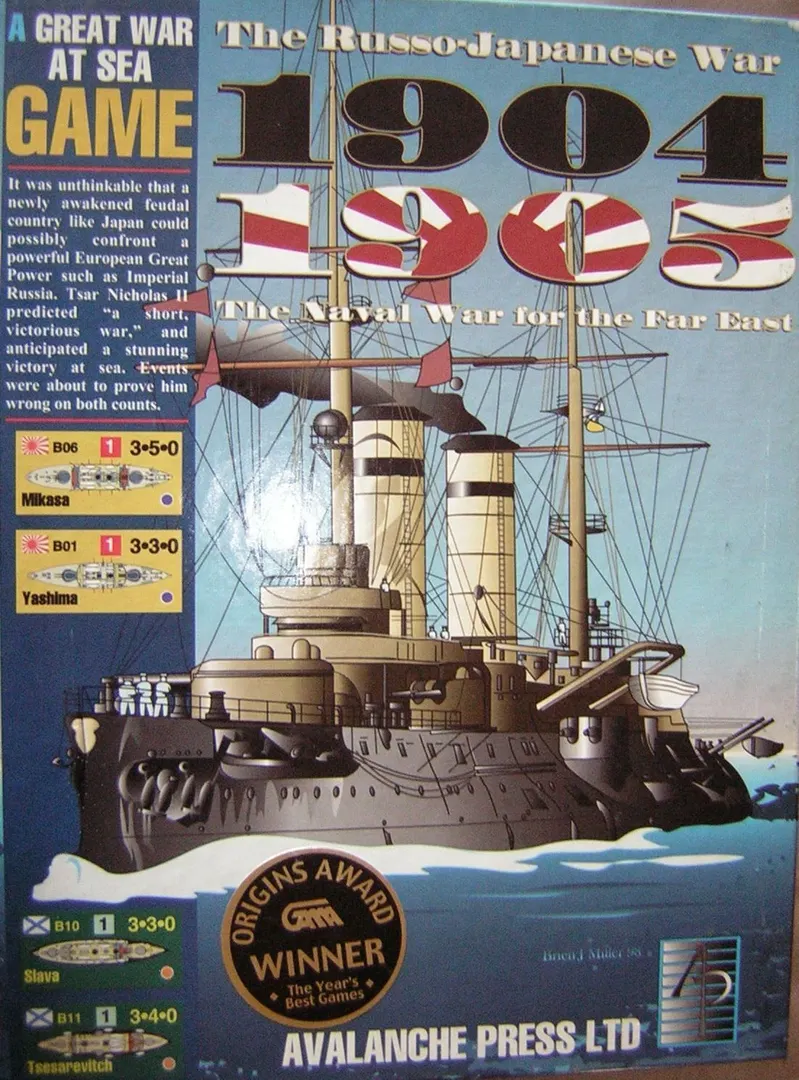
Great War at Sea: 1904-1905, The Russo-Japanese War
- 2–4 giocatori
- 30 min
- Complessità 2,5/5
- 1999
1999
Aiuto con le regole di SOPAC: Naval Action in the South Pacific 1942–1943
Spiegazioni chiare di turni, effetti delle carte e situazioni dubbie, con riferimenti alle fonti ufficiali e cronologia delle domande salvata.
Per 2 giocatori
Cosa vuoi sapere?
Le risposte vengono dal regolamento ufficiale, con la pagina da verificare.
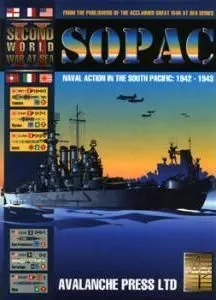
SOPAC: Naval Action in the South Pacific 1942–1943 è un gioco da tavolo pubblicato nel 1999 per 2 giocatori, con partite da 240 minuti e dai 12 anni in su. È stato ideato da Brien J. Miller e Joe Keller e le sue meccaniche principali sono Hexagon Grid.




In inglese
SOPAC: Naval Action in the Southern Pacific 1942-43, is part of Avalanche Press Ltd's Second World War at Sea series of naval battle games. SOPAC recreates the Solomon Islands Campaign of late 1942. Like other games in the series, SOPAC uses a combination of Operational and Tactical displays, similar to those originally found in Avalon Hill's Midway, but much more detailed and accurate. This allows for the mixture of aerial and surface combat that characterized the Pacific theater of operations. Players must write orders and assign missions to tasks forces prior to movement, then conduct aerial searches for enemy fleets and submarines. Frequently, forces will clash in surface battles, and players track damage, hit by hit, reducing ship capabilities and inflicting casualties. SOPAC includes 20 scenarios -- 10 Battle and 10 Operational -- allowing players to explore the early days of combat and try some what-if situations that history never explored.
Secondo il catalogo, SOPAC: Naval Action in the South Pacific 1942–1943 supporta 2 giocatori. È il numero di giocatori indicato dall’editore, quindi il gioco è pensato esattamente per quel numero di partecipanti. Le varianti per gruppi di altre dimensioni, se esistono, sono descritte nel regolamento della tua edizione: consultalo prima di preparare una configurazione diversa.
La durata indicata per SOPAC: Naval Action in the South Pacific 1942–1943 è di 240 minuti, la stima dell’editore per una partita completa. La durata effettiva dipende dal gruppo, dal numero di giocatori e dalla conoscenza delle regole: le prime partite durano di più, i gruppi esperti finiscono prima. Preparazione e spiegazione delle regole non sono comprese nella stima.
Il catalogo indica SOPAC: Naval Action in the South Pacific 1942–1943 dai 12 anni in su. È la raccomandazione dell’editore e tiene conto della lettura richiesta, della complessità delle regole e dei componenti piccoli, non solo del tema. I più giovani spesso possono giocare con l’aiuto di un adulto: controlla l’età consigliata sulla tua edizione e l’esperienza del tuo gruppo con i giochi da tavolo.
SOPAC: Naval Action in the South Pacific 1942–1943 ha un punteggio di complessità di 3,1 su 5 secondo i giocatori di BoardGameGeek, il che lo rende un gioco di media complessità. Il punteggio riflette quanta conoscenza delle regole, pianificazione e decisioni richiede una partita tipica. I giochi impegnativi richiedono una prima spiegazione più lunga, quindi conviene usare una guida di preparazione.
SOPAC: Naval Action in the South Pacific 1942–1943 appartiene a queste categorie: Wargame, Nautical e World War II. Le sue meccaniche principali sono Hexagon Grid. Le categorie descrivono il tema e l’ambientazione di un gioco, mentre le meccaniche descrivono ciò che i giocatori fanno davvero nel proprio turno. Ogni meccanica porta a una pagina del catalogo con giochi simili.
Gli autori accreditati di SOPAC: Naval Action in the South Pacific 1942–1943 sono: Brien J. Miller e Joe Keller. Questi crediti provengono dai dati pubblicati del gioco e indicano le persone responsabili della sua progettazione, non gli illustratori o gli editori. Le pagine degli autori su MeepleRules raccolgono altri titoli degli stessi autori, utili quando un gioco ti piace e ne cerchi di simili.
Il catalogo classifica SOPAC: Naval Action in the South Pacific 1942–1943 come gioco base. Si gioca da solo con i componenti presenti nella scatola e non richiede altri titoli. Le espansioni, se esistono, aggiungono nuovo contenuto o nuove regole e sono elencate separatamente nel catalogo con un collegamento a questo gioco base.