
- Posizione BGG
- BGG #3716
- Valutazione BGG
- 6,6
Before the Wind
- 2–4 giocatori
- 75 min
- Complessità 2,6/5
- 2007
2011
Aiuto con le regole di The Gnomes of Zavandor
Spiegazioni chiare di turni, effetti delle carte e situazioni dubbie, con riferimenti alle fonti ufficiali e cronologia delle domande salvata.
Per 2 giocatori
Cosa vuoi sapere?
Le risposte vengono dal regolamento ufficiale, con la pagina da verificare.
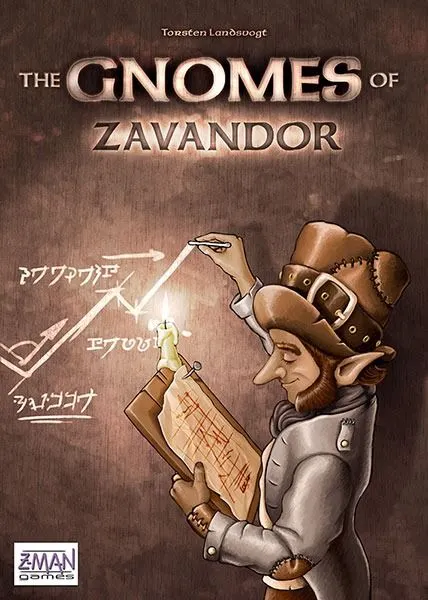
The Gnomes of Zavandor è un gioco da tavolo pubblicato nel 2011 per 2–4 giocatori, con partite da 60 a 90 minuti e dai 10 anni in su. È stato ideato da Torsten Landsvogt e le sue meccaniche principali sono Set Collection, Memory e Modular Board.





In inglese
Welcome to the world of the Gnomes of Zavandor. Like most gnomes, you have two great passions: sparkling gems and wondrous machines. The sought-after gemstones can be found around the mining town of Diamantina. They can be bought and sold at the gem exchange, shady traders are always willing to engage in a little wheeling and dealing, and then you can use the gems to claim valuable mining rights, artifacts and jewellery. Who will become the most successful gem trading mogul? Zavandor is a fantasy setting which revolves around a capitalist economy based on trading in gems - sapphires, rubies, mystical gems etc. Other games in the family include Mines of Zavandor, and The Scepter of Zavandor. Gnomes of Zavandor features two central boards. The first is a grid with markers indicating the current price of each of the gem types, and also indicating whether the price is going to go up or down next turn. Gems can be bought (or sold) for cash in the first phase of each turn. Buying gems makes them more valuable in subsequent turns; selling them reduces their value, and this is reflected on the grid. These gems can be used to buy tiles from the second board, a star-shaped arena featuring "mining rights" tiles positioned randomly around it. The position on the board indicates the cost to purchase these mining rights; the cost will be a mixed selection of coloured gems. At the end of each turn, players gain new gems according to the mining rights they have acquired and this affects the central economy, generally reducing the value of the relevant gems when they are purchased for hard cash, in future rounds. The initial phase of the turn involves buying gems, selling gems, taking gold, trading with the central supply, and purchasing cards and tokens (with gems rather than cash). The items available for purchase include equipment improving your efficiency, jewels providing victory points, and mining rights. The second phase of the turn involves mining for new gems. Each player takes the gems they are allowed according to their mining rights. At the end of each turn, the market values are adjusted according to the actions which have occurred; the price of the available equipment is discounted (this rule is optional); and another area of the star-shaped board becomes accessible with more mining-rights available to purchase in the next round. The game continues until one player has reached a victory-point target, dependent on the number of players in the game. Victory points are achieved by purchasing mining-rights, equipment, and most significantly (but also most expensively) jewellery.
Secondo il catalogo, The Gnomes of Zavandor supporta da 2 a 4 giocatori. L’intervallo corrisponde al numero di giocatori indicato dall’editore, quindi il gioco si può preparare per qualsiasi gruppo entro quei limiti. Preparazione, alcune regole e punteggio possono comunque variare in base al numero di giocatori: controlla la configurazione esatta nel regolamento della tua edizione.
La durata indicata per The Gnomes of Zavandor è di 60–90 minuti, la stima dell’editore per una partita completa. La durata effettiva dipende dal gruppo, dal numero di giocatori e dalla conoscenza delle regole: le prime partite durano di più, i gruppi esperti finiscono prima. Preparazione e spiegazione delle regole non sono comprese nella stima.
Il catalogo indica The Gnomes of Zavandor dai 10 anni in su. È la raccomandazione dell’editore e tiene conto della lettura richiesta, della complessità delle regole e dei componenti piccoli, non solo del tema. I più giovani spesso possono giocare con l’aiuto di un adulto: controlla l’età consigliata sulla tua edizione e l’esperienza del tuo gruppo con i giochi da tavolo.
The Gnomes of Zavandor ha un punteggio di complessità di 2,6 su 5 secondo i giocatori di BoardGameGeek, il che lo rende un gioco piuttosto leggero. Il punteggio riflette quanta conoscenza delle regole, pianificazione e decisioni richiede una partita tipica. I giochi impegnativi richiedono una prima spiegazione più lunga, quindi conviene usare una guida di preparazione.
The Gnomes of Zavandor appartiene a queste categorie: Fantasy e Economic. Le sue meccaniche principali sono Set Collection, Memory e Modular Board. Le categorie descrivono il tema e l’ambientazione di un gioco, mentre le meccaniche descrivono ciò che i giocatori fanno davvero nel proprio turno. Ogni meccanica porta a una pagina del catalogo con giochi simili.
Gli autori accreditati di The Gnomes of Zavandor sono: Torsten Landsvogt. Questi crediti provengono dai dati pubblicati del gioco e indicano le persone responsabili della sua progettazione, non gli illustratori o gli editori. Le pagine degli autori su MeepleRules raccolgono altri titoli degli stessi autori, utili quando un gioco ti piace e ne cerchi di simili.
Il catalogo classifica The Gnomes of Zavandor come gioco base. Si gioca da solo con i componenti presenti nella scatola e non richiede altri titoli. Le espansioni, se esistono, aggiungono nuovo contenuto o nuove regole e sono elencate separatamente nel catalogo con un collegamento a questo gioco base.