
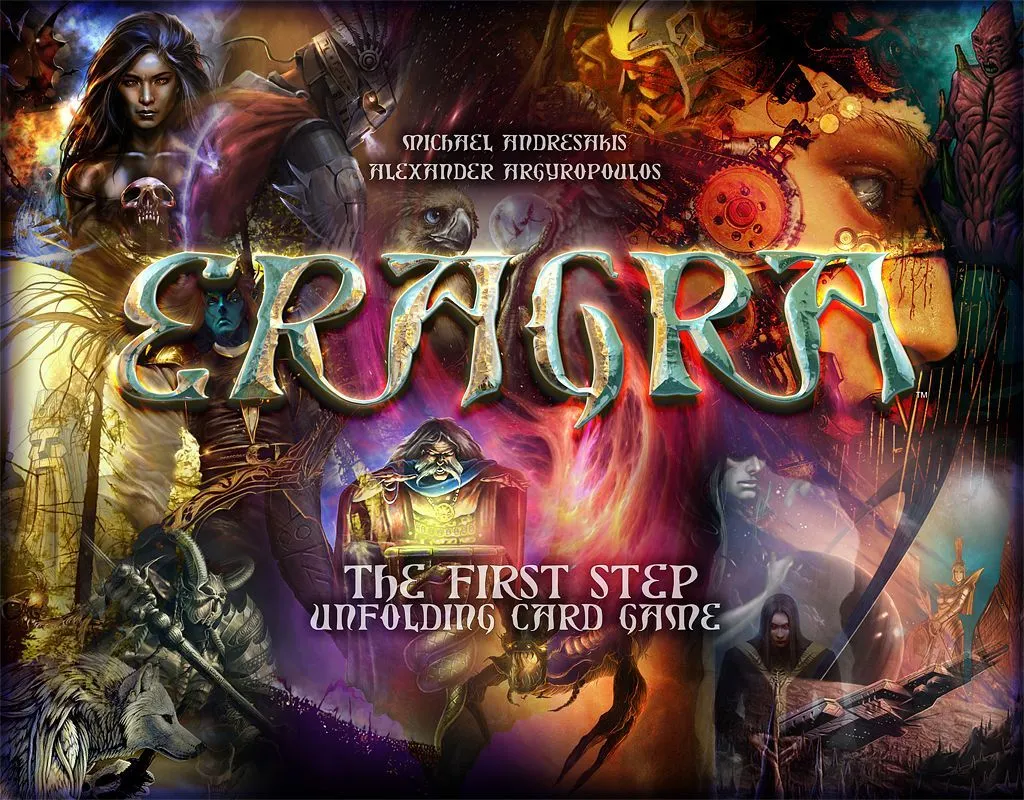
- Pozycja w BGG
- BGG #29 755
- Ocena BGG
- 5,3
Eragra: The Game of Eras and the First Step
- 2–4 graczy
- 90 min
- Złożoność 3,2/5
- 2011

2010
Pomoc w zasadach gry Acropolis of Athens: Following the Steps of Pausanias
Zrozumiałe wyjaśnienia tur, efektów kart i spornych sytuacji z odnośnikami do oficjalnych źródeł i zapisaną historią pytań.
Co chcesz wiedzieć?
Odpowiedzi pochodzą z oficjalnej instrukcji, ze stroną do sprawdzenia.
Acropolis of Athens: Following the Steps of Pausanias to gra planszowa wydana w 2010 roku dla 2–4 graczy, z rozgrywką trwającą 90 minut i dla osób od 7 lat. Projekt gry: Aristogeiton Frantzeskakis. Główne mechaniki: Hand Management, Race i Roll / Spin and Move.






Po angielsku
Acropolis is a game for 2-4 players. Here each player has a short trip through the Athens and its monuments. Known and unknown paths and constructions wait for you to explore and collect them. The game is divided in 3 different Zones. In each Zone each player tries to collect as many Monument Cards, as he can and through them you earn money, Gold Coins. Each Monument is designed on the board and is attached to 3 different step. So, if your pawn manages to step on all of them, then you can collect that Monumnet Card. Again, if you think is easy, you are wrong. Your rivals will make everything to stop you. In the second Zone all the players follow a faster course trying to collect more Monuments. But here is the key. Among all of them there are some that have higher value and these Monuments will give you the victory! During your speed trip, you will find many blocks since there are cards which send your pawn either back at the beginning of the Zone or at the end. You don't want that because when the race overs, you will have the less Monuments. In the last Zone things get nasty. There only few important cards, that if you manage to collect them, then you secure your victory. At the end of that Zone, all of you count the points that your Monument Cards provide to you and add them together. The player with the most money wins.
Według katalogu Acropolis of Athens: Following the Steps of Pausanias obsługuje od 2 do 4 graczy. Ten zakres odpowiada liczbie graczy podanej przez wydawcę, więc grę można przygotować dla dowolnej grupy w jego granicach. Przygotowanie, niektóre zasady i punktacja mogą jednak różnić się w zależności od liczby graczy; dokładną konfigurację sprawdź w instrukcji swojego wydania.
Podany czas rozgrywki w Acropolis of Athens: Following the Steps of Pausanias wynosi 90 minut. To szacunek wydawcy dla pełnej partii. Rzeczywisty czas zależy od grupy, liczby graczy i znajomości zasad: pierwsze partie zwykle trwają dłużej, a doświadczone grupy kończą szybciej. Przygotowanie gry i tłumaczenie zasad nie są wliczone w ten szacunek.
Katalog podaje dla Acropolis of Athens: Following the Steps of Pausanias wiek od 7 lat. To zalecenie wydawcy, które uwzględnia wymagania dotyczące czytania, złożoność zasad i drobne elementy, a nie tylko tematykę. Młodsi gracze często mogą dołączyć z pomocą dorosłego; sprawdź zalecenie wiekowe swojego wydania i weź pod uwagę doświadczenie grupy z grami planszowymi.
Acropolis of Athens: Following the Steps of Pausanias należy do tych kategorii: Card Game, Dice i Ancient. Główne mechaniki to Hand Management, Race i Roll / Spin and Move. Kategorie opisują temat i świat gry, a mechaniki to, co gracze faktycznie robią w swojej turze. Każda mechanika prowadzi do strony katalogu z podobnymi grami, co pomaga znaleźć coś porównywalnego na kolejny wieczór.
Autorzy wymienieni przy Acropolis of Athens: Following the Steps of Pausanias to: Aristogeiton Frantzeskakis. Te informacje pochodzą z opublikowanych danych gry i wskazują osoby odpowiedzialne za jej projekt, a nie ilustratorów czy wydawców. Strony autorów w MeepleRules zbierają inne tytuły tych samych twórców, co pomaga, gdy gra ci się podoba i szukasz podobnych.
W katalogu Acropolis of Athens: Following the Steps of Pausanias figuruje jako gra podstawowa. Można w nią grać samodzielnie, korzystając z elementów z pudełka, bez żadnego innego tytułu. Dodatki, jeśli istnieją, dokładają nową zawartość lub zasady i są wymienione w katalogu osobno, z odnośnikiem do tej gry podstawowej.