
- Pozycja w BGG
- BGG #4875
- Ocena BGG
- 7,7
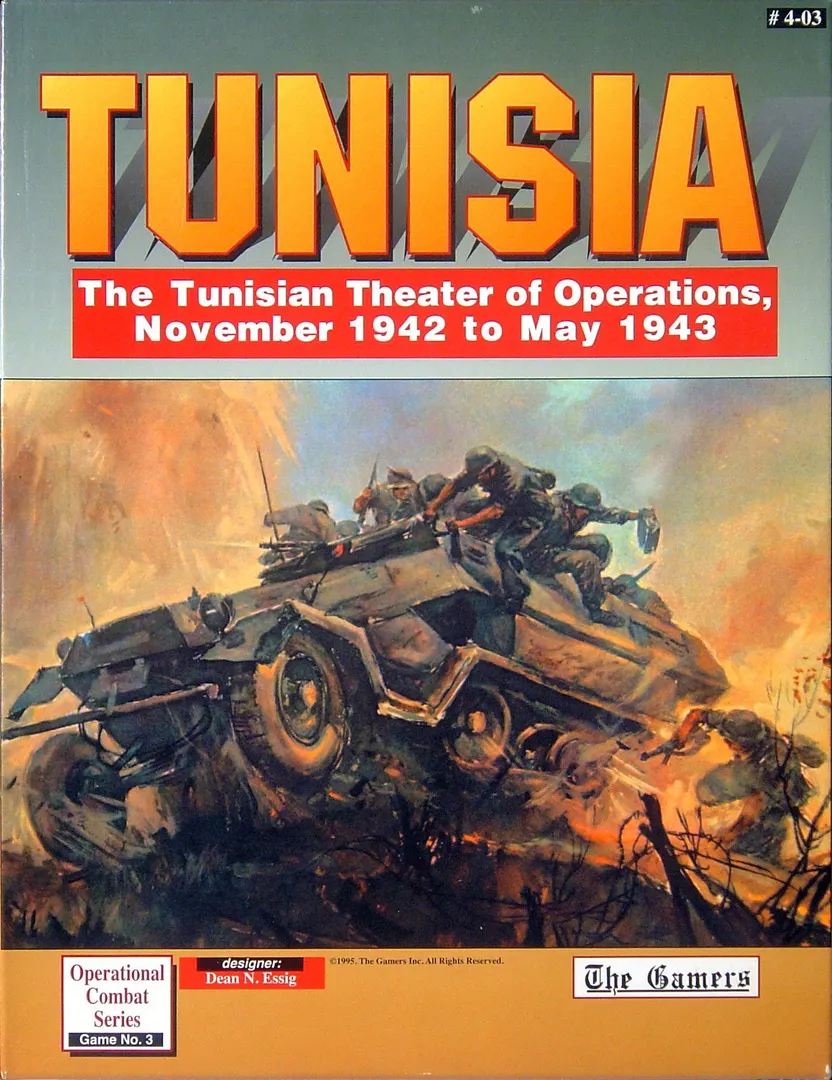
Tunisia
- 1–2 graczy
- 120–3000 min
- Złożoność 4,1/5
- 1995

2007
Pomoc w zasadach gry Case Blue
Zrozumiałe wyjaśnienia tur, efektów kart i spornych sytuacji z odnośnikami do oficjalnych źródeł i zapisaną historią pytań.
Dla 2 graczy
Co chcesz wiedzieć?
Odpowiedzi pochodzą z oficjalnej instrukcji, ze stroną do sprawdzenia.
Case Blue to gra planszowa wydana w 2007 roku dla 2 graczy. Projekt gry: Dean Essig. Główne mechaniki: Dice Rolling, Hexagon Grid i Simulation.





Po angielsku
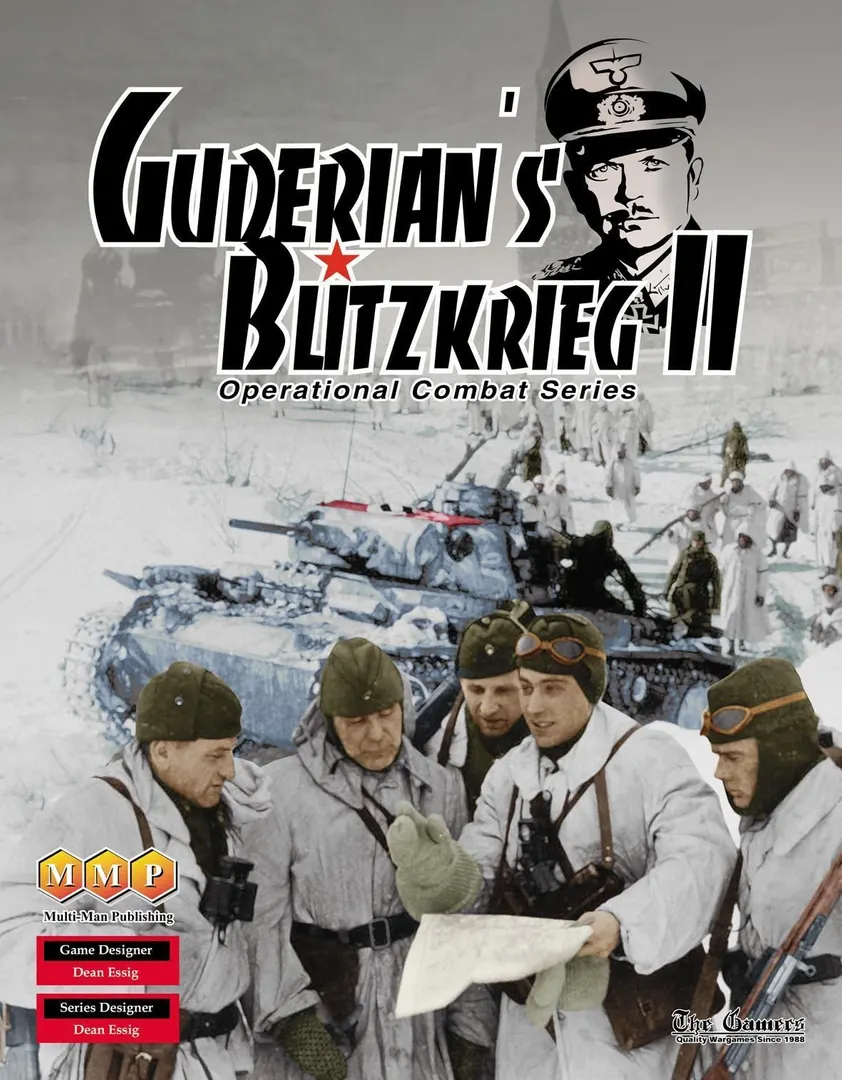
From 1941 through 1943, Army Group South fought a campaign in southern Russia. Hitler issued goals that ranged from the far oil fields to a city on the Volga by the name of Stalingrad, finally deciding not to decide and ordered the far flung Army Group to divide and go for both. Across endless steppe, in the blazing sun and freezing cold, the Axis legions advanced to the edge of Asia and the Caucasus mountains. Some of the oil fields, and most of the city were taken. Then the Red Army had its turn... Case Blue is a game that covers both the Axis advance (1941 and 1942) as well as the Soviet counterattacks (Nov 42 to Jan 43) and the German counteroffensive at Kharkov (Feb-March 1943) that ended the series of campaigns in the south. The game covers in great detail all the operations from October 1941 until May 1943 on a large play area extending from Voronezh almost to the Turkish border. The full scope and grandiose nature of these operations come to life here. Case Blue covers and replaces the 1994 award winning game Enemy at the Gates. Players get to encircle Stalingrad, run their pocket and relief attempts and the many operations that game covered. Case Blue is the 10th game in the award winning Operational Combat System and is the result of over 6 years of intensive research and testing. Players control units ranging from battalions through divisions (OK, there are a few very strange companies), making key decisions on the use, objectives, and means of war. The series is based on modern concepts of maneuver warfare and allows players a far more insightful look into how campaigns (large and small) really work. Case Blue is designed to be played both separately or linked to the 2001 game Guderian's Blitzkrieg II. The monster linked game allows players to run operations on the entire Eastern Front (except for Leningrad) from the fall of 1941 until mid-1943. Multiple scenarios (one map to very large) allow play to be picked up at various key points in the campaign. If you want a serious look at these pivotal campaigns while having fun at the same time, this is the game for you. Perhaps the Operational Combat System finest hour, this game is huge. Game Scale: Game Turn: Half Week Hex: 5 miles / 8 Km Units: Company to Division Game Inventory: Nine 22 x 34" full-color mapsheets (Maps A, B, C, D, E, F, G, H, J, K) One 14 x 22" full-color mapsheet (Map E) Ten dual-side printed countersheets (2,660 1/2" Unit counters) Three dual-side printed countersheets (840 1/2" Marker counters) One 48-page OCS v4.0 series rules booklet One 16-page Case Blue game rules booklet One 80-page Case Blue Scenario Book 1 One 48-page Case Blue Scenario Book 2 One 24-page Case Blue Axis Booklet One 24-page Case Blue Russian Booklet Two 4-page two-color OCS v4.0 Charts & Tables booklets Two 6-sided dice (from MMP web site:)
Według katalogu Case Blue obsługuje 2 graczy. To liczba graczy podana przez wydawcę, więc gra jest zaprojektowana dokładnie dla takiej liczby uczestników. Warianty dla grup innej wielkości, jeśli w ogóle istnieją, opisano w instrukcji twojego wydania; sprawdź ją uważnie, zanim przygotujesz inną konfigurację stołu.
Case Blue ma ocenę złożoności 4,5 na 5 według graczy BoardGameGeek, co czyni ją grą ciężką. Ocena pokazuje, ile znajomości zasad, planowania i podejmowania decyzji wymaga typowa rozgrywka. Cięższe gry wymagają dłuższego pierwszego tłumaczenia, dlatego przed wieczorem z grami warto skorzystać z przewodnika przygotowania.
Case Blue należy do tych kategorii: Wargame i World War II. Główne mechaniki to Dice Rolling, Hexagon Grid i Simulation. Kategorie opisują temat i świat gry, a mechaniki to, co gracze faktycznie robią w swojej turze. Każda mechanika prowadzi do strony katalogu z podobnymi grami, co pomaga znaleźć coś porównywalnego na kolejny wieczór.
Autorzy wymienieni przy Case Blue to: Dean Essig. Te informacje pochodzą z opublikowanych danych gry i wskazują osoby odpowiedzialne za jej projekt, a nie ilustratorów czy wydawców. Strony autorów w MeepleRules zbierają inne tytuły tych samych twórców, co pomaga, gdy gra ci się podoba i szukasz podobnych.
W katalogu Case Blue figuruje jako gra podstawowa. Można w nią grać samodzielnie, korzystając z elementów z pudełka, bez żadnego innego tytułu. Dodatki, jeśli istnieją, dokładają nową zawartość lub zasady i są wymienione w katalogu osobno, z odnośnikiem do tej gry podstawowej.