
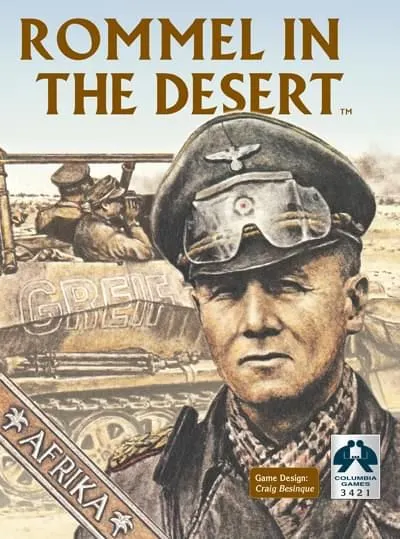
- Pozycja w BGG
- BGG #2480
- Ocena BGG
- 7,6
Rommel in the Desert
- 2 graczy
- 180–480 min
- Złożoność 3,4/5
- 1982
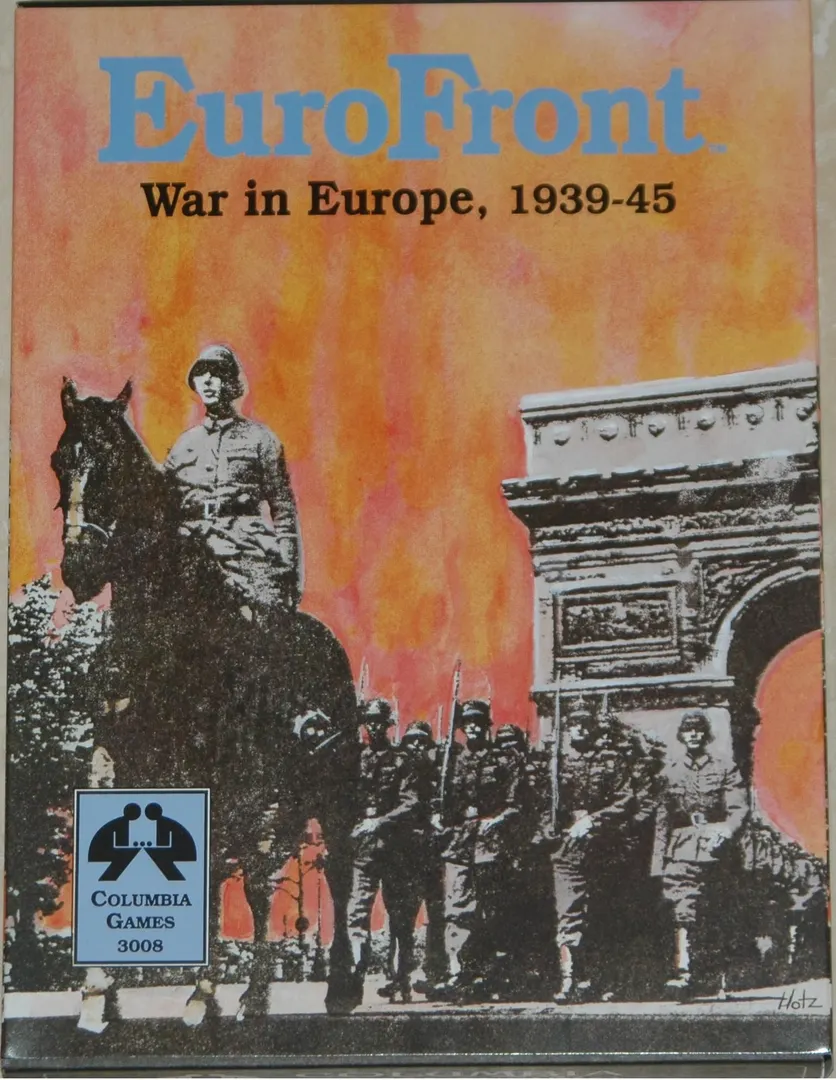
Pomoc w zasadach gry EuroFront: War in Europe, 1939-45
Zrozumiałe wyjaśnienia tur, efektów kart i spornych sytuacji z odnośnikami do oficjalnych źródeł i zapisaną historią pytań.
Co chcesz wiedzieć?
Odpowiedzi pochodzą z oficjalnej instrukcji, ze stroną do sprawdzenia.
EuroFront: War in Europe, 1939-45 to dodatek do gry EastFront: The War in Russia, 1941-45 wydany w 1995 roku dla 2–6 graczy, z rozgrywką trwającą 600 minut i dla osób od 12 lat. Projekt gry: Craig Besinque. Główne mechaniki: Dice Rolling, Secret Unit Deployment i Hexagon Grid.



Po angielsku
EuroFront is a supplementary rules system that allows all of the Front games (EastFront: The War in Russia, 1941-45, WestFront: The War in Europe, 1943-45, MedFront: War in North Africa 1940-43 and possibly the VolgaFront: East of EastFront 1942-43 expansion) to be combined into one sprawling game that covers the entire European theater of WWII. Rules are provided to link all the games together seamlessly and add units for neutral and minor powers in Europe. Further, rules are provided so that simulate the political history and allow for the possibility that non-historical outcomes occur with respect to how minor powers react to the events of WWII. Part of the EuroFront series. This title uses Columbia Games Block system. While there are variations in the rule sets, all of their games are based on the block system. Basically this means that rather than using the traditional counters to represent units on the map the game uses wooden blocks that stand upright with unit details only shown on one side. This does two things: First it provides an easy way of producing a "fog of war" because your opponent can not tell, save through good memory, what type of unit a specific piece is or its current strength. Second, having the blocks stand on end allows the possibility of rotating a block so the current strength is the top number. Although most war games have some type of mechanism that lets units take steps in their overall strength, counters normally have at most two steps because they only have two sides. Blocks, however, have four so you can easily keep track of twice the amount of detail that many other war games provide. With the use of blocks Columbia has provided a way of adding a good deal of depth to their war games without adding complex layers of bookkeeping, allowing interesting and relatively short sessions of play.
Według katalogu EuroFront: War in Europe, 1939-45 obsługuje od 2 do 6 graczy. Ten zakres odpowiada liczbie graczy podanej przez wydawcę, więc grę można przygotować dla dowolnej grupy w jego granicach. Przygotowanie, niektóre zasady i punktacja mogą jednak różnić się w zależności od liczby graczy; dokładną konfigurację sprawdź w instrukcji swojego wydania.
Podany czas rozgrywki w EuroFront: War in Europe, 1939-45 wynosi 600 minut. To szacunek wydawcy dla pełnej partii. Rzeczywisty czas zależy od grupy, liczby graczy i znajomości zasad: pierwsze partie zwykle trwają dłużej, a doświadczone grupy kończą szybciej. Przygotowanie gry i tłumaczenie zasad nie są wliczone w ten szacunek.
Katalog podaje dla EuroFront: War in Europe, 1939-45 wiek od 12 lat. To zalecenie wydawcy, które uwzględnia wymagania dotyczące czytania, złożoność zasad i drobne elementy, a nie tylko tematykę. Młodsi gracze często mogą dołączyć z pomocą dorosłego; sprawdź zalecenie wiekowe swojego wydania i weź pod uwagę doświadczenie grupy z grami planszowymi.
EuroFront: War in Europe, 1939-45 ma ocenę złożoności 3,7 na 5 według graczy BoardGameGeek, co czyni ją grą średnio złożoną. Ocena pokazuje, ile znajomości zasad, planowania i podejmowania decyzji wymaga typowa rozgrywka. Cięższe gry wymagają dłuższego pierwszego tłumaczenia, dlatego przed wieczorem z grami warto skorzystać z przewodnika przygotowania.
EuroFront: War in Europe, 1939-45 należy do tych kategorii: Wargame, World War II i Expansion for Base-game. Główne mechaniki to Dice Rolling, Secret Unit Deployment i Hexagon Grid. Kategorie opisują temat i świat gry, a mechaniki to, co gracze faktycznie robią w swojej turze. Każda mechanika prowadzi do strony katalogu z podobnymi grami, co pomaga znaleźć coś porównywalnego na kolejny wieczór.
Autorzy wymienieni przy EuroFront: War in Europe, 1939-45 to: Craig Besinque. Te informacje pochodzą z opublikowanych danych gry i wskazują osoby odpowiedzialne za jej projekt, a nie ilustratorów czy wydawców. Strony autorów w MeepleRules zbierają inne tytuły tych samych twórców, co pomaga, gdy gra ci się podoba i szukasz podobnych.
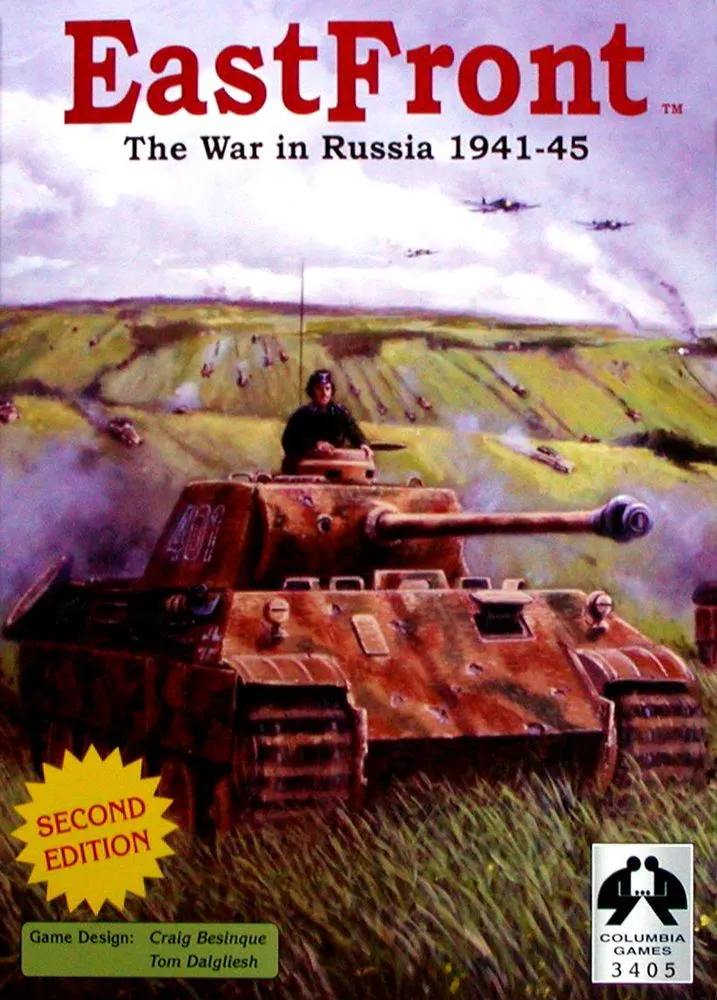
W katalogu EuroFront: War in Europe, 1939-45 figuruje jako dodatek do EastFront: The War in Russia, 1941-45. Dodatki dokładają nową zawartość, zasady lub scenariusze do gry podstawowej i zwykle nie nadają się do samodzielnej gry, więc do korzystania z niego potrzebujesz gry EastFront: The War in Russia, 1941-45. Sprawdź, czy twoje wydanie gry EastFront: The War in Russia, 1941-45 jest zgodne, bo niektóre dodatki zmieniano między wydaniami.