
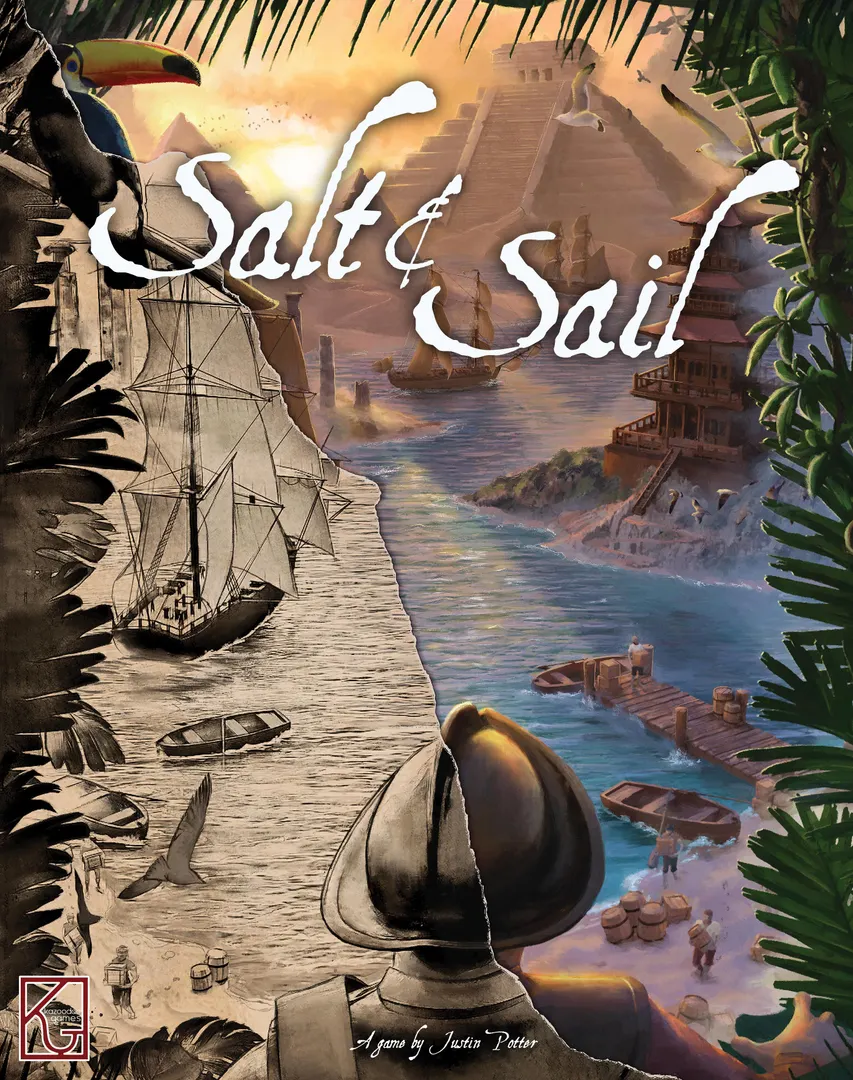
- Pozycja w BGG
- BGG #24 116
- Ocena BGG
- 6,3
Salt & Sail
- 2–5 graczy
- 60–90 min
- Złożoność 2,0/5
- 2021

Pomoc w zasadach gry Glyph: Destruction Dice
Zrozumiałe wyjaśnienia tur, efektów kart i spornych sytuacji z odnośnikami do oficjalnych źródeł i zapisaną historią pytań.
Co chcesz wiedzieć?
Odpowiedzi pochodzą z oficjalnej instrukcji, ze stroną do sprawdzenia.
Glyph: Destruction Dice to dodatek do gry Glyph wydany w 2018 roku dla 2–6 graczy, z rozgrywką trwającą 90–120 minut i dla osób od 12 lat. Projekt gry: Justin Potter. Główne mechaniki: Variable Player Powers, Push Your Luck i Dice Rolling.




Po angielsku
Tucked away in the corner of the tribe’s archives, a dusty tome has been discovered. In it, scholars have come across what had only been legend: a new method of harnessing the power of the glyphs. Why had this tome been hidden away? Unfortunately, the scholars learned the answer to their question much too late, and cursed they ever found the tome… The Glyph of Destruction is a new glyph in the land of Tundrus. This glyph, as the name suggests, is not to be trifled with. The new method of harnessing the glyphs has remarkable power: Players are able to generate doubles of any glyph they desire with ease. But such power comes at a cost. In rare instances, the method doesn’t generate the desired glyph, but instead forms an entirely new glyph. A glyph that eradicates the power the player once had. During a champion’s REPLENISH phase, players may elect to temporarily substitute active dice for one or more of five black dice. Each of these dice specialize in one of the five other glyphs. Four of the sides have a double-glyph of the die’s specialization. Be warned, however, for the other two sides have the Destruction Glyph. Any time the Destruction Glyph is rolled, the die is immediately locked in (can’t be rerolled), and the original die that was substituted for the black die is trashed. Once the black die has performed its function that activation, it is returned to the general stock and players regain the die that was substituted (assuming it wasn’t destroyed).
Według katalogu Glyph: Destruction Dice obsługuje od 2 do 6 graczy. Ten zakres odpowiada liczbie graczy podanej przez wydawcę, więc grę można przygotować dla dowolnej grupy w jego granicach. Przygotowanie, niektóre zasady i punktacja mogą jednak różnić się w zależności od liczby graczy; dokładną konfigurację sprawdź w instrukcji swojego wydania.
Podany czas rozgrywki w Glyph: Destruction Dice wynosi 90–120 minut. To szacunek wydawcy dla pełnej partii. Rzeczywisty czas zależy od grupy, liczby graczy i znajomości zasad: pierwsze partie zwykle trwają dłużej, a doświadczone grupy kończą szybciej. Przygotowanie gry i tłumaczenie zasad nie są wliczone w ten szacunek.
Katalog podaje dla Glyph: Destruction Dice wiek od 12 lat. To zalecenie wydawcy, które uwzględnia wymagania dotyczące czytania, złożoność zasad i drobne elementy, a nie tylko tematykę. Młodsi gracze często mogą dołączyć z pomocą dorosłego; sprawdź zalecenie wiekowe swojego wydania i weź pod uwagę doświadczenie grupy z grami planszowymi.
Glyph: Destruction Dice należy do tych kategorii: Fantasy, Fighting i Dice. Główne mechaniki to Variable Player Powers, Push Your Luck i Dice Rolling. Kategorie opisują temat i świat gry, a mechaniki to, co gracze faktycznie robią w swojej turze. Każda mechanika prowadzi do strony katalogu z podobnymi grami, co pomaga znaleźć coś porównywalnego na kolejny wieczór.
Autorzy wymienieni przy Glyph: Destruction Dice to: Justin Potter. Te informacje pochodzą z opublikowanych danych gry i wskazują osoby odpowiedzialne za jej projekt, a nie ilustratorów czy wydawców. Strony autorów w MeepleRules zbierają inne tytuły tych samych twórców, co pomaga, gdy gra ci się podoba i szukasz podobnych.
W katalogu Glyph: Destruction Dice figuruje jako dodatek do Glyph. Dodatki dokładają nową zawartość, zasady lub scenariusze do gry podstawowej i zwykle nie nadają się do samodzielnej gry, więc do korzystania z niego potrzebujesz gry Glyph. Sprawdź, czy twoje wydanie gry Glyph jest zgodne, bo niektóre dodatki zmieniano między wydaniami.