
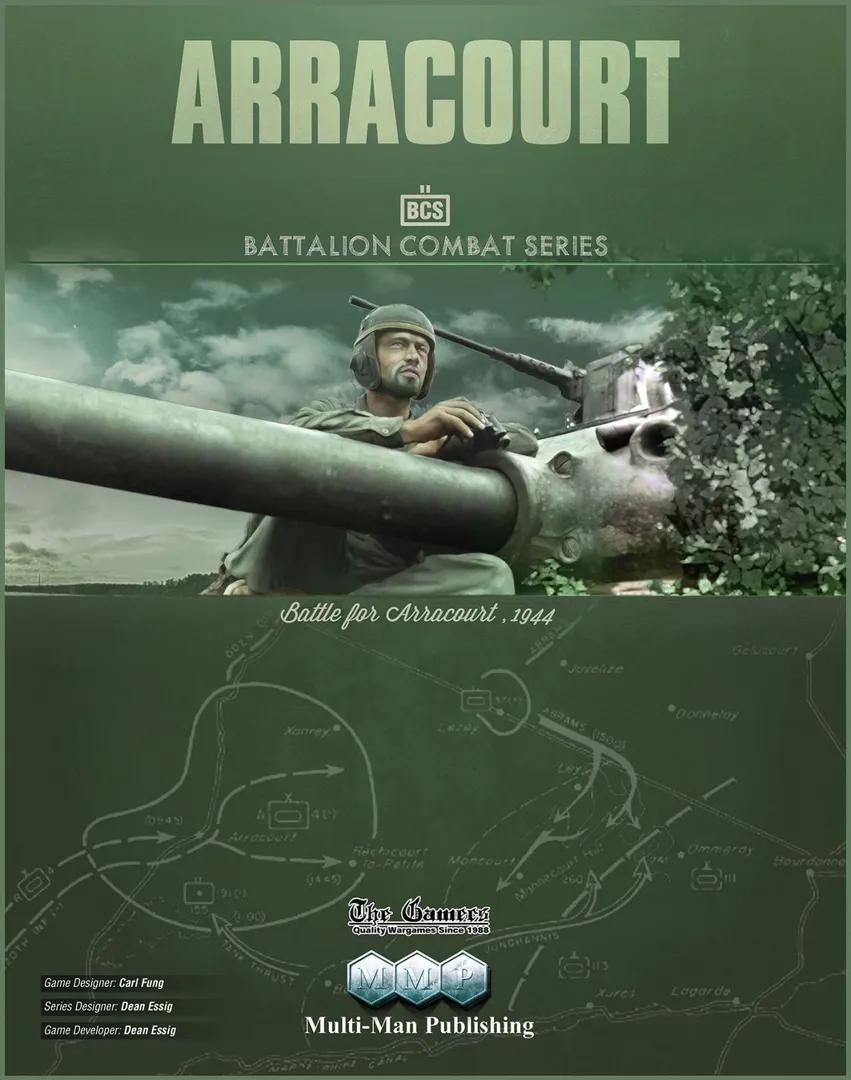
- Pozycja w BGG
- BGG #6107
- Ocena BGG
- 8,4
Arracourt
- 2 graczy
- 120 min
- Złożoność 3,9/5
- 2022
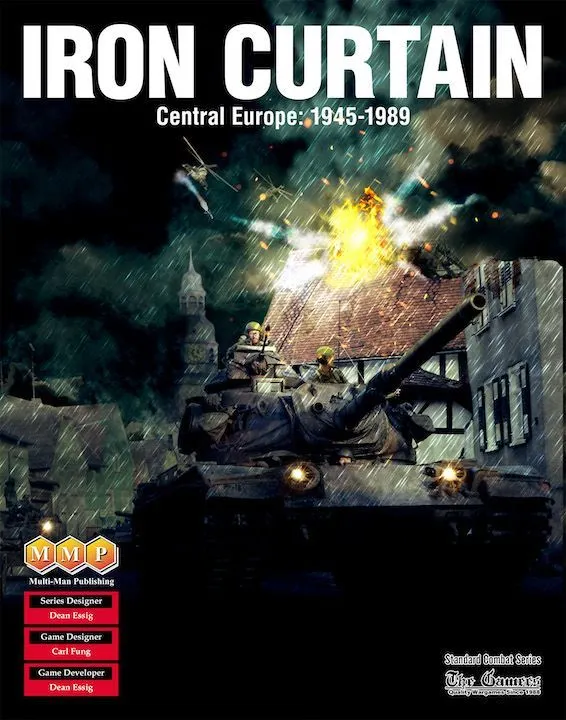
2020
Pomoc w zasadach gry Iron Curtain: Central Europe, 1945-1989
Zrozumiałe wyjaśnienia tur, efektów kart i spornych sytuacji z odnośnikami do oficjalnych źródeł i zapisaną historią pytań.
Dla 1 gracza
Co chcesz wiedzieć?
Odpowiedzi pochodzą z oficjalnej instrukcji, ze stroną do sprawdzenia.
Iron Curtain: Central Europe, 1945-1989 to gra planszowa wydana w 2020 roku dla 1–2 graczy. Projekt gry: Dean Essig i Carl Fung. Główne mechaniki: Dice Rolling i Hexagon Grid.



Po angielsku
Iron Curtain: Central Front, 1945-1989 is the 23rd game in the Standard Combat Series (SCS), and covers the potential "hot" war erupting between the East and the West at the flashpoint along the intra-German border established at the close of World War II. Scenarios examine the forces available over the entire 44-year period with snapshots in 1945, 1962, 1975, 1983, and 1989. The resulting force ratios not only change with weapon and OOB evolution but as a product of the tumultuous effects of the culture. In addition to the typical Warsaw Pact-invades-NATO situations, the game provides for three NATO offensive scenarios. The 1945 Churchill plan to continue WW2 before the Soviets could consolidate their gains (Operation UNTHINKABLE), the mishaps of 1983 that could have launched an offensive in error, and allowing the West to capitalize on the dissolution of the Warsaw Pact nations in 1989. Every game is different because while the units set up in their peace-time housing areas, each side gets an unpredictable amount of time to "run up" before the war actually begins while tension rises. The result will allow each side to move to deployment areas (or not) as the fates decree with all combinations of total surprise to total preparedness possible between them. Iron Curtain is a fast-paced game of what is assumed to be a month of intensive combat where both sides race to fulfill their objectives before a cease-fire ends hostilities. All the developments of modern warfare over this epoch are included: nuclear and chemical warfare, modern near-nuclear aviation effects, airmobile forces, attack helicopters, airborne mech forces, amphibious operations, and even the ill-fated Pentomic Division structure. It is your turn to decide the fate of Europe. Scenarios (all are a maximum of 10 turns): • Hot Time in the Town of Berlin—1945 Western Allies Offensive • Don’t Fence Me In—1945 Soviet Offensive • If I Had a Hammer—1962 Soviet Offensive • Bohemian Rhapsody—1975 Soviet Offensive • Eye of the Tiger—1983 Soviet Offensive • It’s a Mistake—1983 NATO Offensive • Everybody Wants to Rule the World—1989 Soviet Offensive • We Didn’t Start the Fire—1989 NATO Offensive Game Inventory: • One 8-page Standard Combat Series rulebook (Version 1.8) • One 52-page Iron Curtain game-specific rulebook • one 22" x 34" full color mapsheet • Four dual-side printed countersheets (1120 1/2" counters) • two full-color Player Displays • two full-color 2-sided Game Charts & Tables • box and 6-sided dice
Według katalogu Iron Curtain: Central Europe, 1945-1989 obsługuje od 1 do 2 graczy. Ten zakres odpowiada liczbie graczy podanej przez wydawcę, więc grę można przygotować dla dowolnej grupy w jego granicach. Przygotowanie, niektóre zasady i punktacja mogą jednak różnić się w zależności od liczby graczy; dokładną konfigurację sprawdź w instrukcji swojego wydania.
Iron Curtain: Central Europe, 1945-1989 ma ocenę złożoności 2,7 na 5 według graczy BoardGameGeek, co czyni ją grą raczej lekką. Ocena pokazuje, ile znajomości zasad, planowania i podejmowania decyzji wymaga typowa rozgrywka. Cięższe gry wymagają dłuższego pierwszego tłumaczenia, dlatego przed wieczorem z grami warto skorzystać z przewodnika przygotowania.
Iron Curtain: Central Europe, 1945-1989 należy do tych kategorii: Wargame i Modern Warfare. Główne mechaniki to Dice Rolling i Hexagon Grid. Kategorie opisują temat i świat gry, a mechaniki to, co gracze faktycznie robią w swojej turze. Każda mechanika prowadzi do strony katalogu z podobnymi grami, co pomaga znaleźć coś porównywalnego na kolejny wieczór.
Autorzy wymienieni przy Iron Curtain: Central Europe, 1945-1989 to: Dean Essig i Carl Fung. Te informacje pochodzą z opublikowanych danych gry i wskazują osoby odpowiedzialne za jej projekt, a nie ilustratorów czy wydawców. Strony autorów w MeepleRules zbierają inne tytuły tych samych twórców, co pomaga, gdy gra ci się podoba i szukasz podobnych.
W katalogu Iron Curtain: Central Europe, 1945-1989 figuruje jako gra podstawowa. Można w nią grać samodzielnie, korzystając z elementów z pudełka, bez żadnego innego tytułu. Dodatki, jeśli istnieją, dokładają nową zawartość lub zasady i są wymienione w katalogu osobno, z odnośnikiem do tej gry podstawowej.