

- Pozycja w BGG
- BGG #23 906
- Ocena BGG
- 6,0
Coronation
- 2–6 graczy
- 40 min
- Złożoność 1,8/5
- 2010
2011
Pomoc w zasadach gry Metro 2033
Zrozumiałe wyjaśnienia tur, efektów kart i spornych sytuacji z odnośnikami do oficjalnych źródeł i zapisaną historią pytań.
Dla 2 graczy
Co chcesz wiedzieć?
Odpowiedzi pochodzą z oficjalnej instrukcji, ze stroną do sprawdzenia.
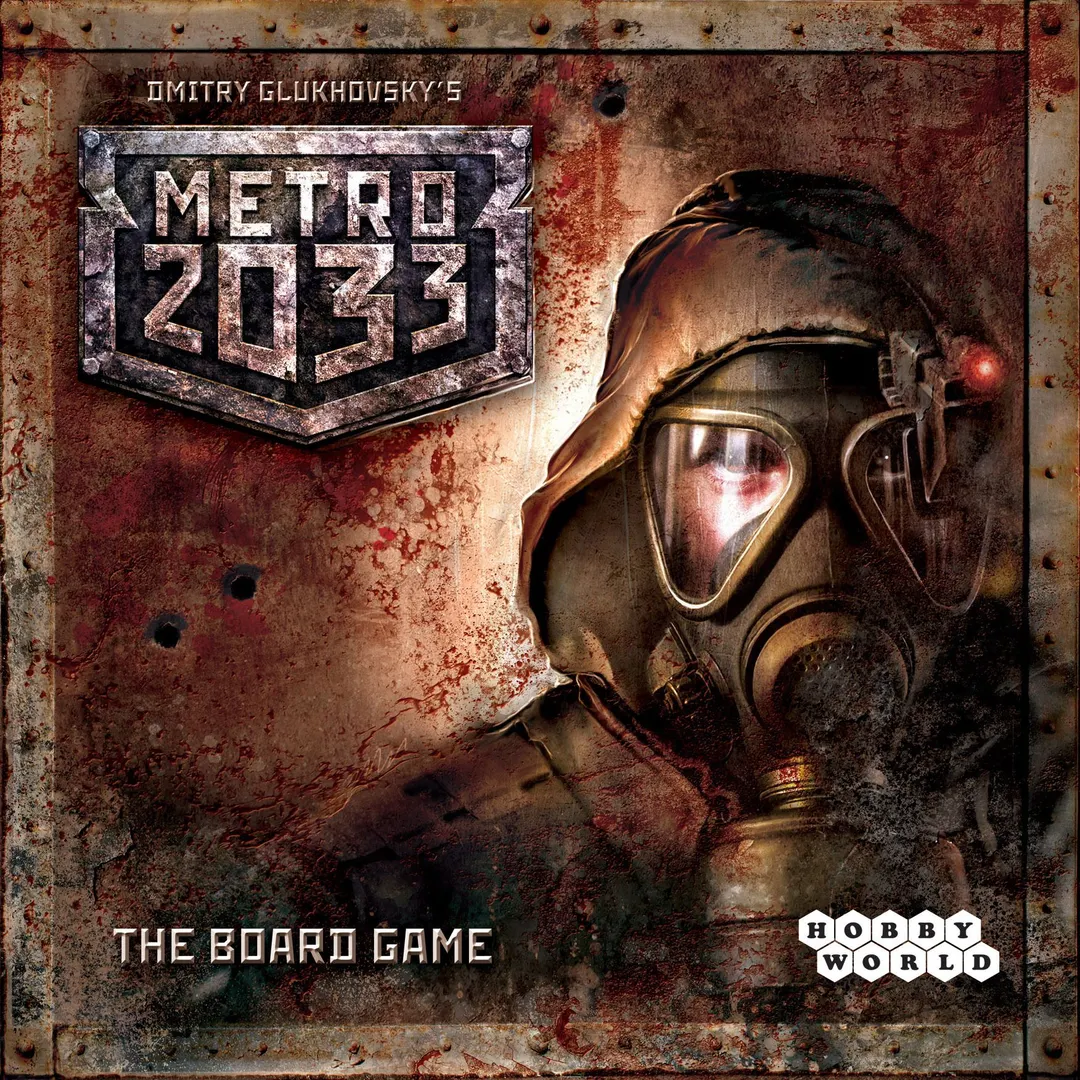
Metro 2033 to gra planszowa wydana w 2011 roku dla 2–6 graczy, z rozgrywką trwającą 80 minut i dla osób od 12 lat. Projekt gry: Sergey Golubkin. Główne mechaniki: Area Majority / Influence i Voting.
Po angielsku
Welcome to the future The year is 2033. The world is in ruins. All the major cities have been wiped away by a nuclear war. Flooded with radiation, the planet surface is largely unfit for life. Handfuls of survivors have found refuge in antinuclear bunkers, the largest of which is the Moscow Metro. The Metro has become humanity’s last haven after Judgment Day. Metro 2033 is based on the popular Metro 2033 universe created by Russian writer and journalist Dmitry Glukhovsky. After the nuclear strike, thousands of survivors have found refuge in the Moscow underground (a.k.a., the Metro) — the biggest shelter in the world. In the stations and tunnels deep below the surface a new civilization emerges. Gameplay Each player is a leader of one of the many factions of post-nuclear underground. In order to win, a faction has to achieve ten victory points (VPs). Each station under the faction's control gives it 1 VP; different quests also bring VPs when completed. The other way to win is to capture all four stations of Polis — the cultural and political heart of Metro. Each faction has a hero at its disposal. Heroes can travel the underground, gain quests and equipment that increases their abilities, fight opponents' heroes, attack stations, and so on. The army of a faction can also attack stations, and usually with better chances to win, but it can target only adjacent stations. Stations under factions' control produce resources — pigs, ammo and mushrooms — that are used to capture new stations, strenghten the army, buy equipment and obtain quests. The production of resources and other game events are determined by a special sequence. This sequence tells what will happen each round: production of certain recources, a vote for a new law, or a sudden attack from the dark that must be repelled. Players can attack stations with their armies or their heroes. Both have strength that may be increased by hiring new troops or buying useful equipment. When attacking a neutral station, the army/hero fights a random threat from the special deck and has to beat its strength. When attacking an opponent, the attacker confronts his army or hero. In battles between players a special set of combat cards is used; these cards give various bonuses to strength depending on the card chosen by the opponent, so the goal is to deduce which combat card will be used by the other side.
Według katalogu Metro 2033 obsługuje od 2 do 6 graczy. Ten zakres odpowiada liczbie graczy podanej przez wydawcę, więc grę można przygotować dla dowolnej grupy w jego granicach. Przygotowanie, niektóre zasady i punktacja mogą jednak różnić się w zależności od liczby graczy; dokładną konfigurację sprawdź w instrukcji swojego wydania.
Podany czas rozgrywki w Metro 2033 wynosi 80 minut. To szacunek wydawcy dla pełnej partii. Rzeczywisty czas zależy od grupy, liczby graczy i znajomości zasad: pierwsze partie zwykle trwają dłużej, a doświadczone grupy kończą szybciej. Przygotowanie gry i tłumaczenie zasad nie są wliczone w ten szacunek.
Katalog podaje dla Metro 2033 wiek od 12 lat. To zalecenie wydawcy, które uwzględnia wymagania dotyczące czytania, złożoność zasad i drobne elementy, a nie tylko tematykę. Młodsi gracze często mogą dołączyć z pomocą dorosłego; sprawdź zalecenie wiekowe swojego wydania i weź pod uwagę doświadczenie grupy z grami planszowymi.
Metro 2033 ma ocenę złożoności 2,7 na 5 według graczy BoardGameGeek, co czyni ją grą raczej lekką. Ocena pokazuje, ile znajomości zasad, planowania i podejmowania decyzji wymaga typowa rozgrywka. Cięższe gry wymagają dłuższego pierwszego tłumaczenia, dlatego przed wieczorem z grami warto skorzystać z przewodnika przygotowania.
Metro 2033 należy do tych kategorii: Adventure, Science Fiction i Novel-based. Główne mechaniki to Area Majority / Influence i Voting. Kategorie opisują temat i świat gry, a mechaniki to, co gracze faktycznie robią w swojej turze. Każda mechanika prowadzi do strony katalogu z podobnymi grami, co pomaga znaleźć coś porównywalnego na kolejny wieczór.
Autorzy wymienieni przy Metro 2033 to: Sergey Golubkin. Te informacje pochodzą z opublikowanych danych gry i wskazują osoby odpowiedzialne za jej projekt, a nie ilustratorów czy wydawców. Strony autorów w MeepleRules zbierają inne tytuły tych samych twórców, co pomaga, gdy gra ci się podoba i szukasz podobnych.
W katalogu Metro 2033 figuruje jako gra podstawowa. Można w nią grać samodzielnie, korzystając z elementów z pudełka, bez żadnego innego tytułu. Dodatki, jeśli istnieją, dokładają nową zawartość lub zasady i są wymienione w katalogu osobno, z odnośnikiem do tej gry podstawowej.