

- Pozycja w BGG
- BGG #12 851
- Ocena BGG
- 7,8
Korsun Pocket: Little Stalingrad on the Dnepr
- 2–6 graczy
- 360–6000 min
- Złożoność 4,3/5
- 1979

1997
Pomoc w zasadach gry Operation Spark: the Relief of Leningrad 1943
Zrozumiałe wyjaśnienia tur, efektów kart i spornych sytuacji z odnośnikami do oficjalnych źródeł i zapisaną historią pytań.
Dla 2 graczy
Co chcesz wiedzieć?
Odpowiedzi pochodzą z oficjalnej instrukcji, ze stroną do sprawdzenia.
Operation Spark: the Relief of Leningrad 1943 to gra planszowa wydana w 1997 roku dla 2 graczy i z rozgrywką trwającą 180 minut. Projekt gry: Jack Radey. Główne mechaniki: Dice Rolling i Hexagon Grid.




Po angielsku
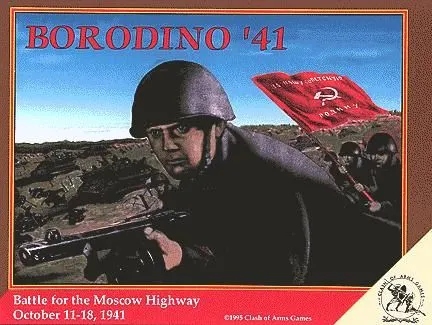
"Operation Spark: The Relief of Leningrad 1943", is a simulation of the Soviet military offensive (Operation Iskra) during World War II, designed to break the German Wehrmacht's Siege of Leningrad. Planning for the operation began shortly after the failure of the Sinyavino Offensive. The German defeat in the Battle of Stalingrad in late 1942 had weakened the German front. By January 1943, Soviet forces were planning or conducting offensive operations across the entire German-Soviet front, especially in southern Russia, Iskra being the northern part of the wider Soviet 1942–1943 winter counter offensive The city of Leningrad, second largest in the USSR, had been cut off by the Germans since September 8, 1941. Now, sixteen months later, the Soviets were about to make their third attempt to relieve the city. The first attack in January 1942 had led to the mauling of the 2nd Shock Army in the swamps to the south, and a second failure between Sinyavino and Mga in the summer of 1942 had also taken heavy casualties, although it had completely derailed von Manstein's planned assault on the city itself. Now in January of 1943 the Red Army was set to try again. Uses the same game system rules as the following Clash of Arms Games wargames, the award winning Black Sea Black Death, Aachen and Borodino '41. The game is set in a frozen peat bog, bordered by a frozen lake and a frozen river, is a slugging match. German fortified lines cut through the snow filled woods and encircle the worker's settlements and the critical Sinyabino Heights. The Red Army appears for the most part in regiment sized units of riflemen, artillery and heavy mortars, backed up by battalions of tanks (half of them light T-60s), skiers, marines, engineers, as well as by naval artillery, air power, and a few odd units like aerosans and observation balloons. The Germans have most of their units in infantry and artillery battalions, backed up by companies of Tiger and Pzkw.III tanks, deadly 88mm flak guns, and STUG IIIs. The Germans also field everything from a battalion of Spanish fascists to a railroad battery. They also field battalions of heavy artillery, nebelwerfers, and captured French coastal guns, as well as mountain troops, jaegers, the SS Polizei Division, and several overstrength independent regiments plus their Tiger tanks (here seen in their debut performance). Game Scale: Turn: Impulses = 4-5 hours, 5-6 impulses per day Hex: 880 yards / 804 meters Units: Company to Regiment Game Inventory: One 22 x 34" full-color mapsheets Three dual-side printed countersheets (2 combat, 1 markers - 620 1/2" counters) One 32-page Operation Spark rules booklet Six Player Aid cards Two 10-sided dice Players: 1 or more Playing Time: 2-20 hours Complexity: Medium Solitaire Suitability: Moderate
Według katalogu Operation Spark: the Relief of Leningrad 1943 obsługuje 2 graczy. To liczba graczy podana przez wydawcę, więc gra jest zaprojektowana dokładnie dla takiej liczby uczestników. Warianty dla grup innej wielkości, jeśli w ogóle istnieją, opisano w instrukcji twojego wydania; sprawdź ją uważnie, zanim przygotujesz inną konfigurację stołu.
Podany czas rozgrywki w Operation Spark: the Relief of Leningrad 1943 wynosi 180 minut. To szacunek wydawcy dla pełnej partii. Rzeczywisty czas zależy od grupy, liczby graczy i znajomości zasad: pierwsze partie zwykle trwają dłużej, a doświadczone grupy kończą szybciej. Przygotowanie gry i tłumaczenie zasad nie są wliczone w ten szacunek.
Operation Spark: the Relief of Leningrad 1943 ma ocenę złożoności 3,8 na 5 według graczy BoardGameGeek, co czyni ją grą ciężką. Ocena pokazuje, ile znajomości zasad, planowania i podejmowania decyzji wymaga typowa rozgrywka. Cięższe gry wymagają dłuższego pierwszego tłumaczenia, dlatego przed wieczorem z grami warto skorzystać z przewodnika przygotowania.
Operation Spark: the Relief of Leningrad 1943 należy do tych kategorii: Wargame i World War II. Główne mechaniki to Dice Rolling i Hexagon Grid. Kategorie opisują temat i świat gry, a mechaniki to, co gracze faktycznie robią w swojej turze. Każda mechanika prowadzi do strony katalogu z podobnymi grami, co pomaga znaleźć coś porównywalnego na kolejny wieczór.
Autorzy wymienieni przy Operation Spark: the Relief of Leningrad 1943 to: Jack Radey. Te informacje pochodzą z opublikowanych danych gry i wskazują osoby odpowiedzialne za jej projekt, a nie ilustratorów czy wydawców. Strony autorów w MeepleRules zbierają inne tytuły tych samych twórców, co pomaga, gdy gra ci się podoba i szukasz podobnych.
W katalogu Operation Spark: the Relief of Leningrad 1943 figuruje jako gra podstawowa. Można w nią grać samodzielnie, korzystając z elementów z pudełka, bez żadnego innego tytułu. Dodatki, jeśli istnieją, dokładają nową zawartość lub zasady i są wymienione w katalogu osobno, z odnośnikiem do tej gry podstawowej.