

- Pozycja w BGG
- BGG #7803
- Ocena BGG
- 7,0
Queensland
- 1–4 graczy
- 45 min
- Złożoność 2,3/5
- 2022
2025
Pomoc w zasadach gry Raising Chicago
Zrozumiałe wyjaśnienia tur, efektów kart i spornych sytuacji z odnośnikami do oficjalnych źródeł i zapisaną historią pytań.
Dla 2 graczy
Co chcesz wiedzieć?
Odpowiedzi pochodzą z oficjalnej instrukcji, ze stroną do sprawdzenia.
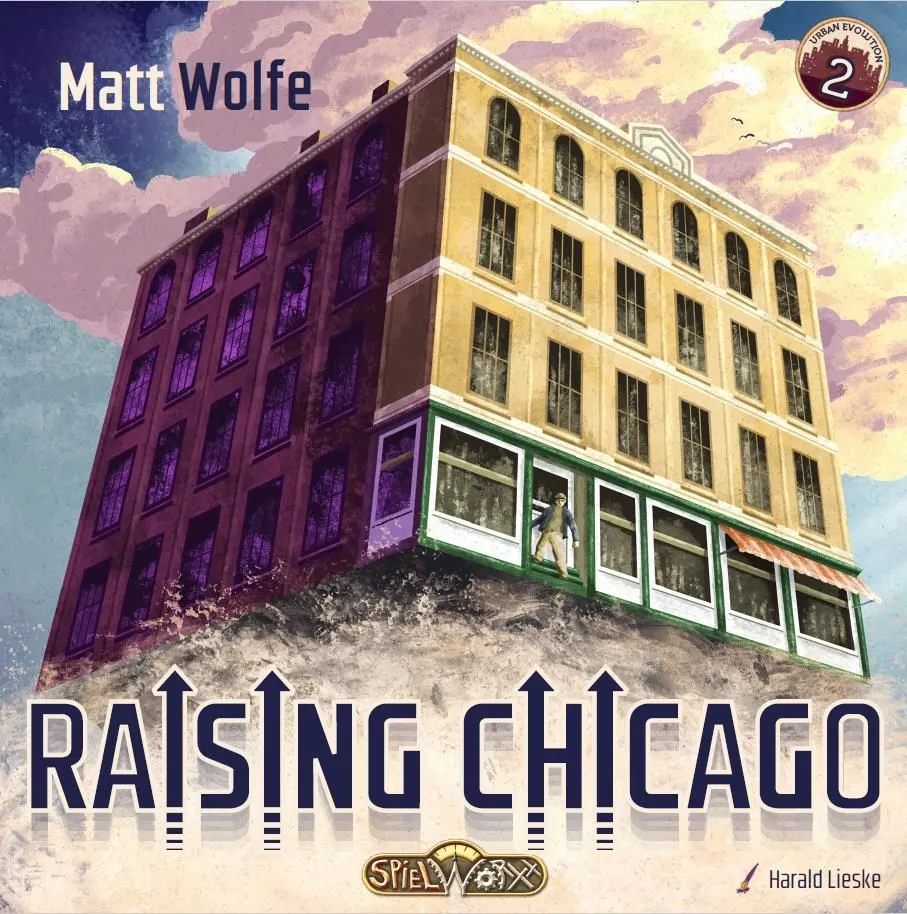
Raising Chicago to gra planszowa wydana w 2025 roku dla 2–4 graczy, z rozgrywką trwającą 75–120 minut i dla osób od 12 lat. Projekt gry: Matt Wolfe. Główne mechaniki: Tile Placement i Investment.







Po angielsku
During the 19th century, the elevation of the Chicago area was just a few feet higher than the shoreline of Lake Michigan. For many years, there was little or no naturally occurring drainage from the city surface, and this lack of drainage caused unpleasant living conditions. Standing water harbored pathogens that caused numerous epidemics including typhoid fever and dysentery, culminating in the 1854 outbreak of cholera that killed six percent of the city's population. The crisis forced the city to take the drainage problem seriously. In 1856, engineer Ellis S. Chesbrough drafted a plan for the installation of a citywide sewerage system and submitted it to the city council, which adopted the plan. However, due to the minimal elevation above the lake, the sewer could not be built underground and had to be built at street level. The city council then decided to implement a radical idea: Prevented from digging down, they instead decreed the buildings of the city would be raised to allow the new sewer system to be hidden under the new street level. Representing one of the four companies that were created to tackle the problem of raising the buildings of Chicago, it's up to you to gather resources, take on the most attractive projects, and help solve the sanitation crisis of the city. On your turn in Raising Chicago, you place a tile on a resource slot associated with one of five building projects, then claim the resource you covered. After all players have placed tiles, each project is evaluated. The winning player pays resources to complete the project, claims the project reward, then places all of their tiles associated with that project as levels underneath the building onto a space on the board. Players earn points for placing buildings cleverly, doing the most work in a ward, and meeting the demands of council people. Only the most successful player will win, so play strategically to prove you can raise buildings the best in Raising Chicago! —description from the publisher
Według katalogu Raising Chicago obsługuje od 2 do 4 graczy. Ten zakres odpowiada liczbie graczy podanej przez wydawcę, więc grę można przygotować dla dowolnej grupy w jego granicach. Przygotowanie, niektóre zasady i punktacja mogą jednak różnić się w zależności od liczby graczy; dokładną konfigurację sprawdź w instrukcji swojego wydania.
Podany czas rozgrywki w Raising Chicago wynosi 75–120 minut. To szacunek wydawcy dla pełnej partii. Rzeczywisty czas zależy od grupy, liczby graczy i znajomości zasad: pierwsze partie zwykle trwają dłużej, a doświadczone grupy kończą szybciej. Przygotowanie gry i tłumaczenie zasad nie są wliczone w ten szacunek.
Katalog podaje dla Raising Chicago wiek od 12 lat. To zalecenie wydawcy, które uwzględnia wymagania dotyczące czytania, złożoność zasad i drobne elementy, a nie tylko tematykę. Młodsi gracze często mogą dołączyć z pomocą dorosłego; sprawdź zalecenie wiekowe swojego wydania i weź pod uwagę doświadczenie grupy z grami planszowymi.
Raising Chicago ma ocenę złożoności 3,5 na 5 według graczy BoardGameGeek, co czyni ją grą średnio złożoną. Ocena pokazuje, ile znajomości zasad, planowania i podejmowania decyzji wymaga typowa rozgrywka. Cięższe gry wymagają dłuższego pierwszego tłumaczenia, dlatego przed wieczorem z grami warto skorzystać z przewodnika przygotowania.
Raising Chicago należy do tych kategorii: Economic, Territory Building i City Building. Główne mechaniki to Tile Placement i Investment. Kategorie opisują temat i świat gry, a mechaniki to, co gracze faktycznie robią w swojej turze. Każda mechanika prowadzi do strony katalogu z podobnymi grami, co pomaga znaleźć coś porównywalnego na kolejny wieczór.
Autorzy wymienieni przy Raising Chicago to: Matt Wolfe. Te informacje pochodzą z opublikowanych danych gry i wskazują osoby odpowiedzialne za jej projekt, a nie ilustratorów czy wydawców. Strony autorów w MeepleRules zbierają inne tytuły tych samych twórców, co pomaga, gdy gra ci się podoba i szukasz podobnych.
W katalogu Raising Chicago figuruje jako gra podstawowa. Można w nią grać samodzielnie, korzystając z elementów z pudełka, bez żadnego innego tytułu. Dodatki, jeśli istnieją, dokładają nową zawartość lub zasady i są wymienione w katalogu osobno, z odnośnikiem do tej gry podstawowej.