
- Pozycja w BGG
- BGG #6090
- Ocena BGG
- 8,4
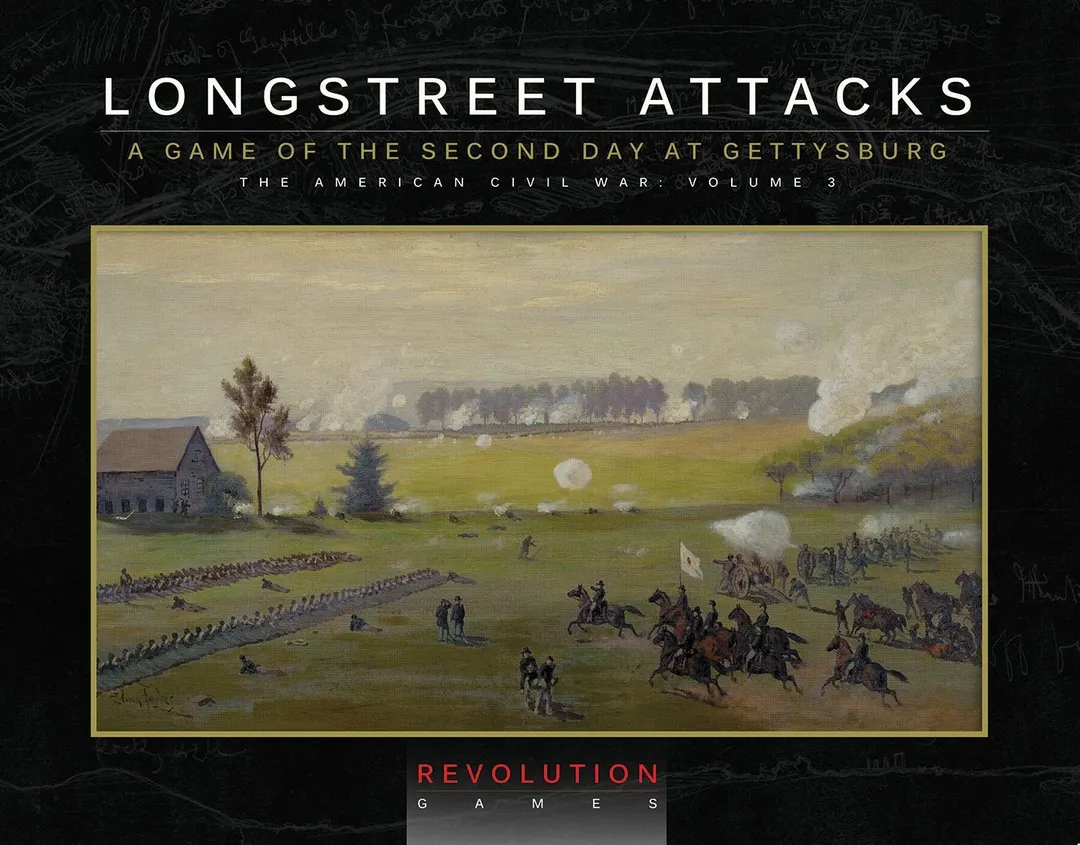
Longstreet Attacks: The Second Day at Gettysburg
- 1–4 graczy
- 90–720 min
- Złożoność 3,5/5
- 2018
2019
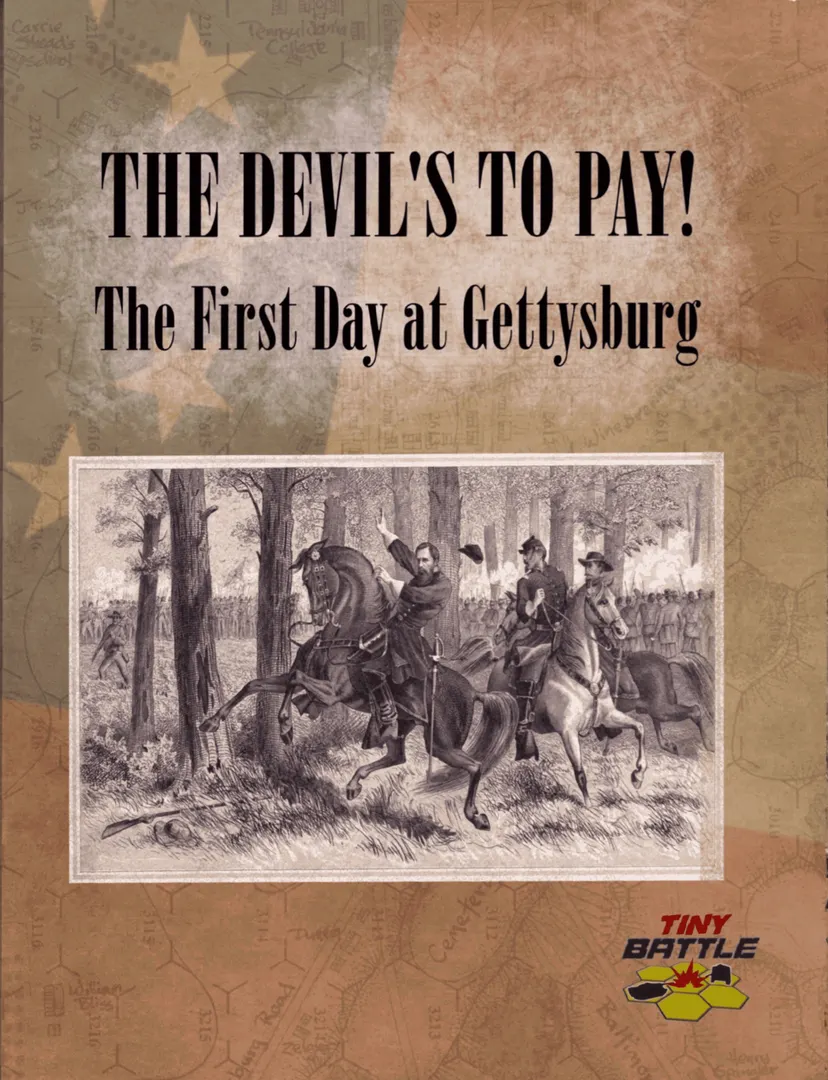
Pomoc w zasadach gry The Devil's to Pay!: The First Day at Gettysburg
Zrozumiałe wyjaśnienia tur, efektów kart i spornych sytuacji z odnośnikami do oficjalnych źródeł i zapisaną historią pytań.
Dla 1 gracza
Co chcesz wiedzieć?
Odpowiedzi pochodzą z oficjalnej instrukcji, ze stroną do sprawdzenia.
The Devil's to Pay!: The First Day at Gettysburg to gra planszowa wydana w 2019 roku dla 1–2 graczy, z rozgrywką trwającą 120–240 minut i dla osób od 9 lat. Projekt gry: Hermann Luttmann. Główne mechaniki: Dice Rolling, Hexagon Grid i Simulation.




Po angielsku
On the morning of July 1st, 1863 a column of Rebel soldiers from Brig. Gen. James Archer’s brigade of the Army of Northern Virginia headed down the Chambersburg Pike from Cashtown, PA towards the town of Gettysburg in search of provisions. Since JEB Stuart’s cavalry was nowhere to be found, the Confederate column was actually being led by the cannons of Pegram’s Artillery Brigade in a rare 19th century deployment of “recon by fire”. Archer’s Division commander, Maj. Gen. Henry Heth, was not worried however – he had it on firm authority that only militia was in the area and that “they would run as soon as we appeared”. Upon their approach up to Herr’s Ridge to the west of Gettysburg, the dismounted Union cavalry pickets of Buford’s 1st Cavalry Division began harassing the approaching butternut columns. As they were driven off and the Rebs crested the ridge, they were confronted with a far larger cavalry force than they had anticipated and they were now hotly engaged in an unexpected encounter. Archer’s men, along with the quick-marching soldiers of Brig. Gen. Robert Davis’ brigade, began a coordinated advance on Buford’s horse soldiers. The blue-clad troopers were hard pressed but their carbines allowed them to fire rapidly and from cover. Relief finally appeared at about 9:30 am when Maj. Gen. John Reynolds of Ist Corps rode up to Buford at the Lutheran Seminary. He then famously asked Buford, “What’s the matter, John?” Buford’s reply was “The Devil’s to pay!” And from such inauspicious beginnings started one of the greatest battles of history. This first day was to set the tone of the entire three-day Battle of Gettysburg …. a first day in which ultimate victory or defeat for either side could be traced to the decisions, maneuverings and fighting performances of each army’s soldiers and leaders during these initial critical hours. The Devil’s to Pay! is a game depicting not only the actual events of July 1st at the Battle of Gettysburg, but also what could have happened on that fateful first day. Two players will each command either the Confederate forces of Lt. Gen A.P. Hill and Lt. Gen. Richard Ewell or the Union forces of Maj. Gen. John Reynolds and Maj. Gen. Oliver Howard. The game is played on a gorgeous map of the battle area designed and drawn by Rick Barber, with each hex equaling 250 yards. Formations are multi-counter brigades, with each Strength Point representing about 100 men, with each unit counter representing a group of regiments, apportioned as they were deployed at the battle. The system is a new version of the Blind Swords system, with this implementation emphasizing ease-of-play and accessibility while maintaining the popular spirit of “historical chaos” represented by the other games in the Blind Swords family. The system utilizes a unique chit-pull mechanic that will keep players on their toes and engaged throughout the entire game. —description from designer
Według katalogu The Devil's to Pay!: The First Day at Gettysburg obsługuje od 1 do 2 graczy. Ten zakres odpowiada liczbie graczy podanej przez wydawcę, więc grę można przygotować dla dowolnej grupy w jego granicach. Przygotowanie, niektóre zasady i punktacja mogą jednak różnić się w zależności od liczby graczy; dokładną konfigurację sprawdź w instrukcji swojego wydania.
Podany czas rozgrywki w The Devil's to Pay!: The First Day at Gettysburg wynosi 120–240 minut. To szacunek wydawcy dla pełnej partii. Rzeczywisty czas zależy od grupy, liczby graczy i znajomości zasad: pierwsze partie zwykle trwają dłużej, a doświadczone grupy kończą szybciej. Przygotowanie gry i tłumaczenie zasad nie są wliczone w ten szacunek.
Katalog podaje dla The Devil's to Pay!: The First Day at Gettysburg wiek od 9 lat. To zalecenie wydawcy, które uwzględnia wymagania dotyczące czytania, złożoność zasad i drobne elementy, a nie tylko tematykę. Młodsi gracze często mogą dołączyć z pomocą dorosłego; sprawdź zalecenie wiekowe swojego wydania i weź pod uwagę doświadczenie grupy z grami planszowymi.
The Devil's to Pay!: The First Day at Gettysburg ma ocenę złożoności 2,6 na 5 według graczy BoardGameGeek, co czyni ją grą raczej lekką. Ocena pokazuje, ile znajomości zasad, planowania i podejmowania decyzji wymaga typowa rozgrywka. Cięższe gry wymagają dłuższego pierwszego tłumaczenia, dlatego przed wieczorem z grami warto skorzystać z przewodnika przygotowania.
The Devil's to Pay!: The First Day at Gettysburg należy do tych kategorii: Wargame, Civil War i Post-Napoleonic. Główne mechaniki to Dice Rolling, Hexagon Grid i Simulation. Kategorie opisują temat i świat gry, a mechaniki to, co gracze faktycznie robią w swojej turze. Każda mechanika prowadzi do strony katalogu z podobnymi grami, co pomaga znaleźć coś porównywalnego na kolejny wieczór.
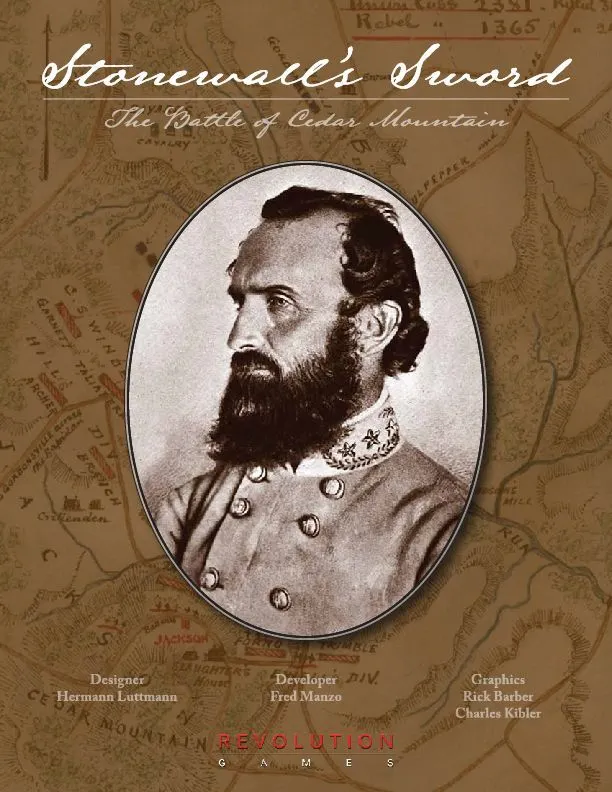
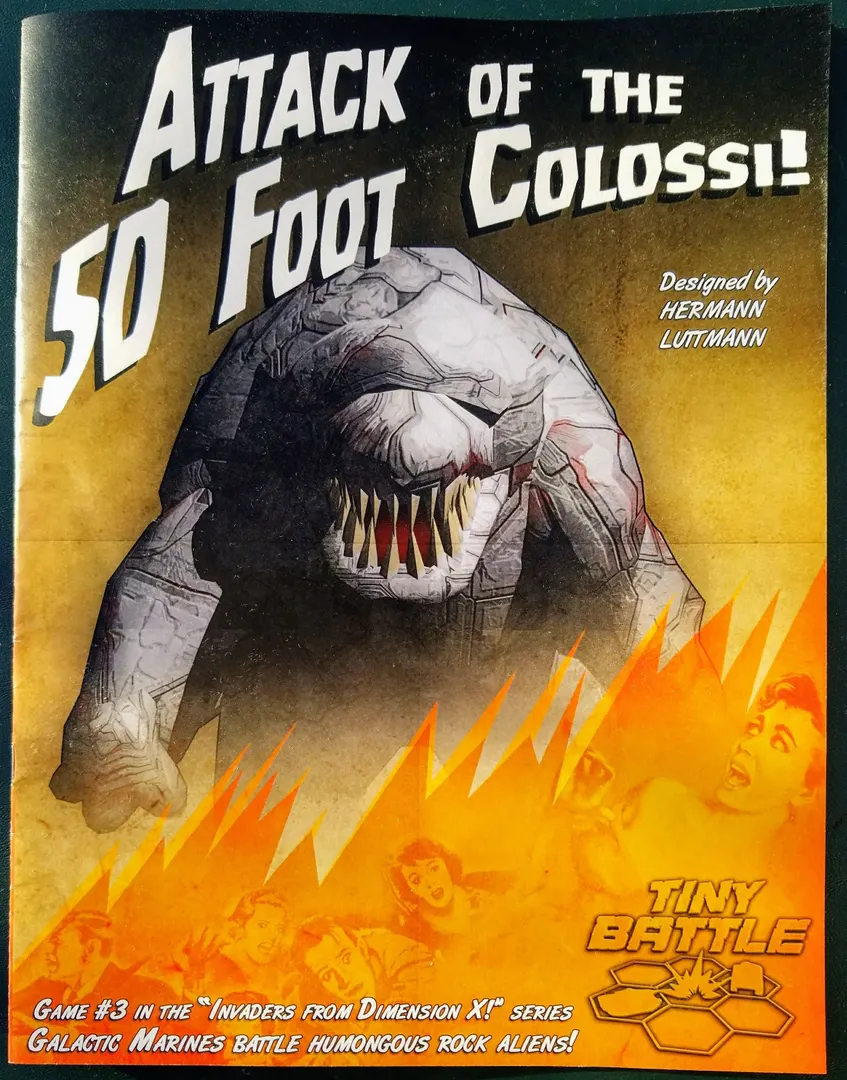
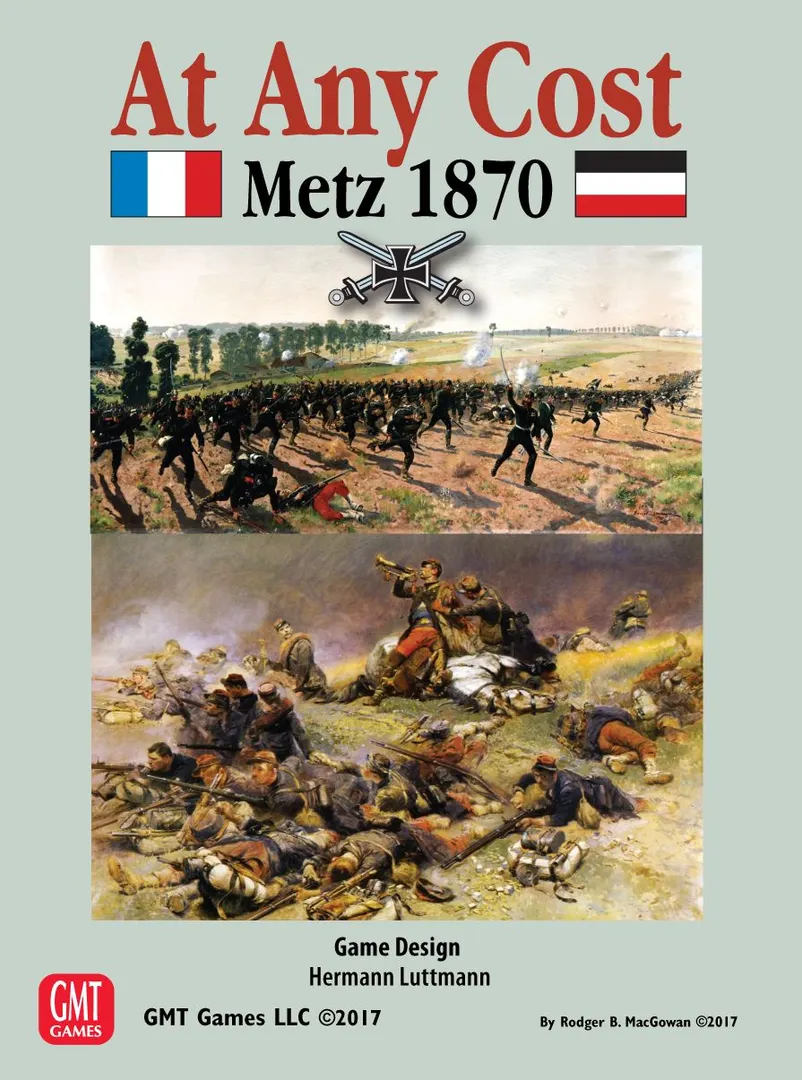
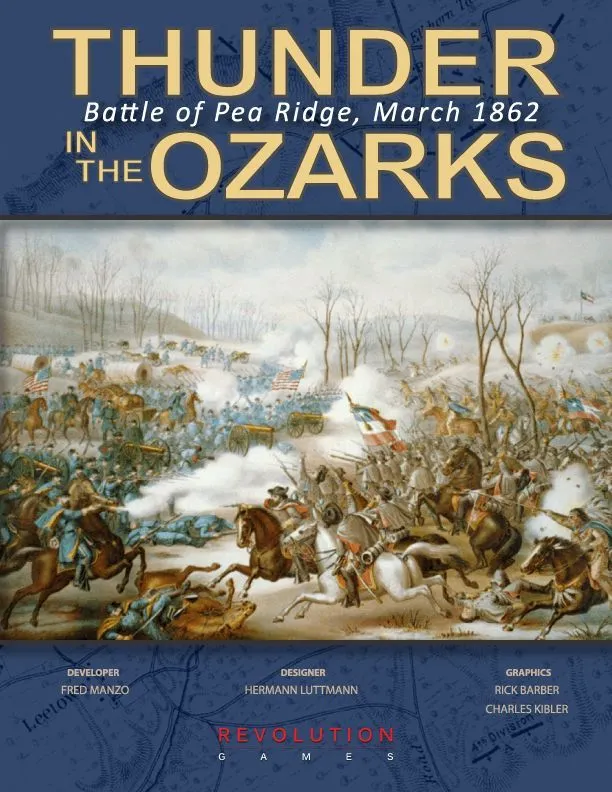
Autorzy wymienieni przy The Devil's to Pay!: The First Day at Gettysburg to: Hermann Luttmann. Te informacje pochodzą z opublikowanych danych gry i wskazują osoby odpowiedzialne za jej projekt, a nie ilustratorów czy wydawców. Strony autorów w MeepleRules zbierają inne tytuły tych samych twórców, co pomaga, gdy gra ci się podoba i szukasz podobnych.
W katalogu The Devil's to Pay!: The First Day at Gettysburg figuruje jako gra podstawowa. Można w nią grać samodzielnie, korzystając z elementów z pudełka, bez żadnego innego tytułu. Dodatki, jeśli istnieją, dokładają nową zawartość lub zasady i są wymienione w katalogu osobno, z odnośnikiem do tej gry podstawowej.