
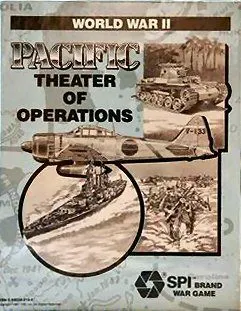
- Pozycja w BGG
- BGG #10 215
- Ocena BGG
- 7,0
World War II: Pacific Theater of Operations
- 1–4 graczy
- 360 min
- Złożoność 4,1/5
- 1991
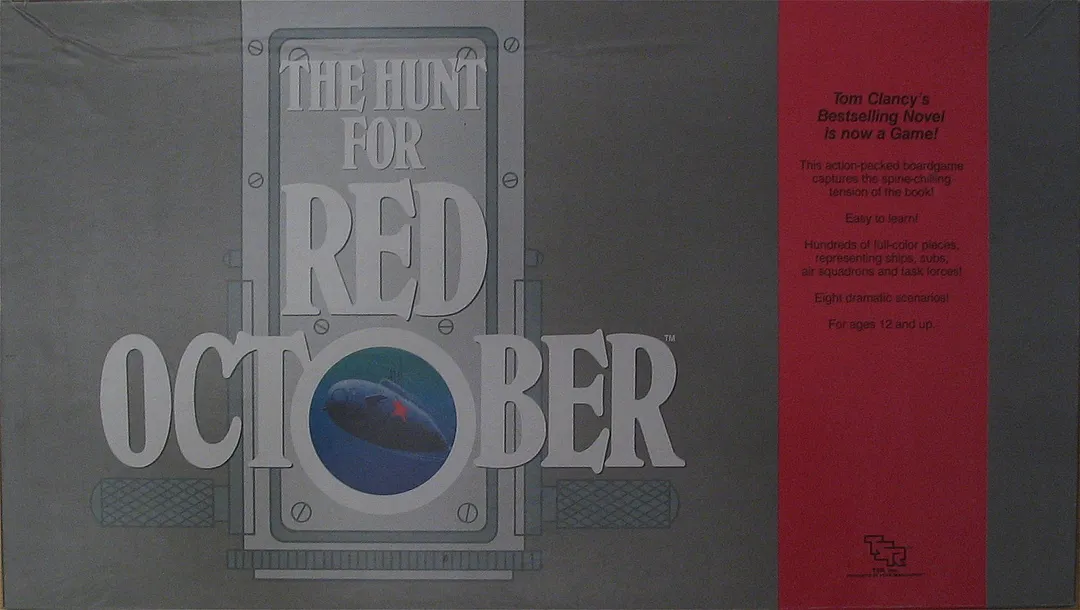
1988
Pomoc w zasadach gry The Hunt for Red October
Zrozumiałe wyjaśnienia tur, efektów kart i spornych sytuacji z odnośnikami do oficjalnych źródeł i zapisaną historią pytań.
Dla 2 graczy
Co chcesz wiedzieć?
Odpowiedzi pochodzą z oficjalnej instrukcji, ze stroną do sprawdzenia.
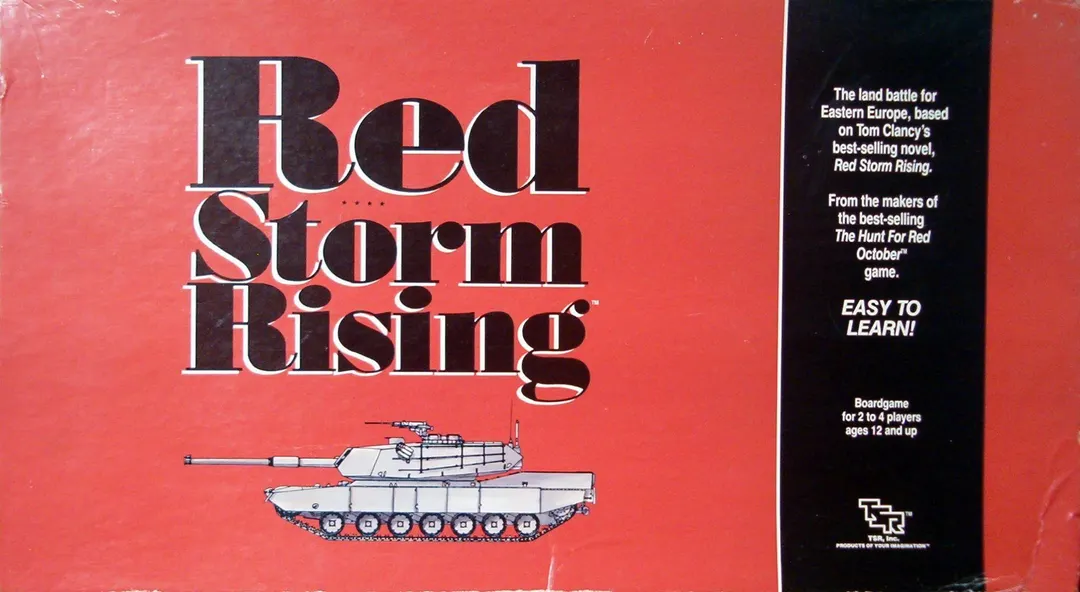
The Hunt for Red October to gra planszowa wydana w 1988 roku dla 2 graczy, z rozgrywką trwającą 60 minut i dla osób od 12 lat. Projekt gry: Douglas Niles. Główne mechaniki: Area Movement, Dice Rolling i Secret Unit Deployment.
Po angielsku
The Hunt for Red October depicts "modern" naval combat in the North Atlantic, Soviets vs. Nato. The game contains 8 scenarios that place various combinations of aircraft, surface ships, and submarines at the players' disposal. The map is broken up into irregular "spaces" containing land, shallow or deep sea. Land spaces may contain airbases and/or ports; sea spaces may contain standing detection patrols (SOSUS, etc). Pieces are double sided cardboard of 3 different sizes (capital ships/task forces, small ships/submarines, and aircraft) with the back only giving the basic information (a formation of aircraft, a submarine silhouette or a Task Force symbol) to keep the specific information of the unit secret from the opponent. Each unit has a detection rating and an attack rating. Each side starts each turn with a random number of detection attempts (2+d10 for NATO, 2+d6 for Soviet). Pieces are moved on the board (ships/subs up to 3 spaces, aircraft up to 1, 4, or 8 depending on type). As opposing pieces are moved into the same spaces, detection attempts are spent trying to locate the enemy units in the space (usually d10 <= detection rating). Detected units are turned sideways so both sides can see it. Once units are found combat may be initiated. Combat is done in two attack phases. Dice are rolled vs. the attack rating of the attacking unit(s) (usually 1 d10 but there are exceptions) and hits are determined and resolved simultaneously. Ships that did not fire in the first phase conduct a second attack phase. Units can be in combat if not detected but upon firing become detected (which means undetected units almost invariably shoot in the second phase). Hits are again determined. 1, 2 or 3 hits (subs, small surface ships, large surface ships) are required to destroy a unit. Aircraft are destroyed only if the hit on them was a rolled 1 or 2. Victory is determined by scenario conditions. There are several optional rules, none of which appear to significantly increase the complexity of the game.
Według katalogu The Hunt for Red October obsługuje 2 graczy. To liczba graczy podana przez wydawcę, więc gra jest zaprojektowana dokładnie dla takiej liczby uczestników. Warianty dla grup innej wielkości, jeśli w ogóle istnieją, opisano w instrukcji twojego wydania; sprawdź ją uważnie, zanim przygotujesz inną konfigurację stołu.
Podany czas rozgrywki w The Hunt for Red October wynosi 60 minut. To szacunek wydawcy dla pełnej partii. Rzeczywisty czas zależy od grupy, liczby graczy i znajomości zasad: pierwsze partie zwykle trwają dłużej, a doświadczone grupy kończą szybciej. Przygotowanie gry i tłumaczenie zasad nie są wliczone w ten szacunek.
Katalog podaje dla The Hunt for Red October wiek od 12 lat. To zalecenie wydawcy, które uwzględnia wymagania dotyczące czytania, złożoność zasad i drobne elementy, a nie tylko tematykę. Młodsi gracze często mogą dołączyć z pomocą dorosłego; sprawdź zalecenie wiekowe swojego wydania i weź pod uwagę doświadczenie grupy z grami planszowymi.
The Hunt for Red October ma ocenę złożoności 2,5 na 5 według graczy BoardGameGeek, co czyni ją grą raczej lekką. Ocena pokazuje, ile znajomości zasad, planowania i podejmowania decyzji wymaga typowa rozgrywka. Cięższe gry wymagają dłuższego pierwszego tłumaczenia, dlatego przed wieczorem z grami warto skorzystać z przewodnika przygotowania.
The Hunt for Red October należy do tych kategorii: Wargame, Nautical i Novel-based. Główne mechaniki to Area Movement, Dice Rolling i Secret Unit Deployment. Kategorie opisują temat i świat gry, a mechaniki to, co gracze faktycznie robią w swojej turze. Każda mechanika prowadzi do strony katalogu z podobnymi grami, co pomaga znaleźć coś porównywalnego na kolejny wieczór.
Autorzy wymienieni przy The Hunt for Red October to: Douglas Niles. Te informacje pochodzą z opublikowanych danych gry i wskazują osoby odpowiedzialne za jej projekt, a nie ilustratorów czy wydawców. Strony autorów w MeepleRules zbierają inne tytuły tych samych twórców, co pomaga, gdy gra ci się podoba i szukasz podobnych.
W katalogu The Hunt for Red October figuruje jako gra podstawowa. Można w nią grać samodzielnie, korzystając z elementów z pudełka, bez żadnego innego tytułu. Dodatki, jeśli istnieją, dokładają nową zawartość lub zasady i są wymienione w katalogu osobno, z odnośnikiem do tej gry podstawowej.