
- Pozycja w BGG
- BGG #8346
- Ocena BGG
- 6,9
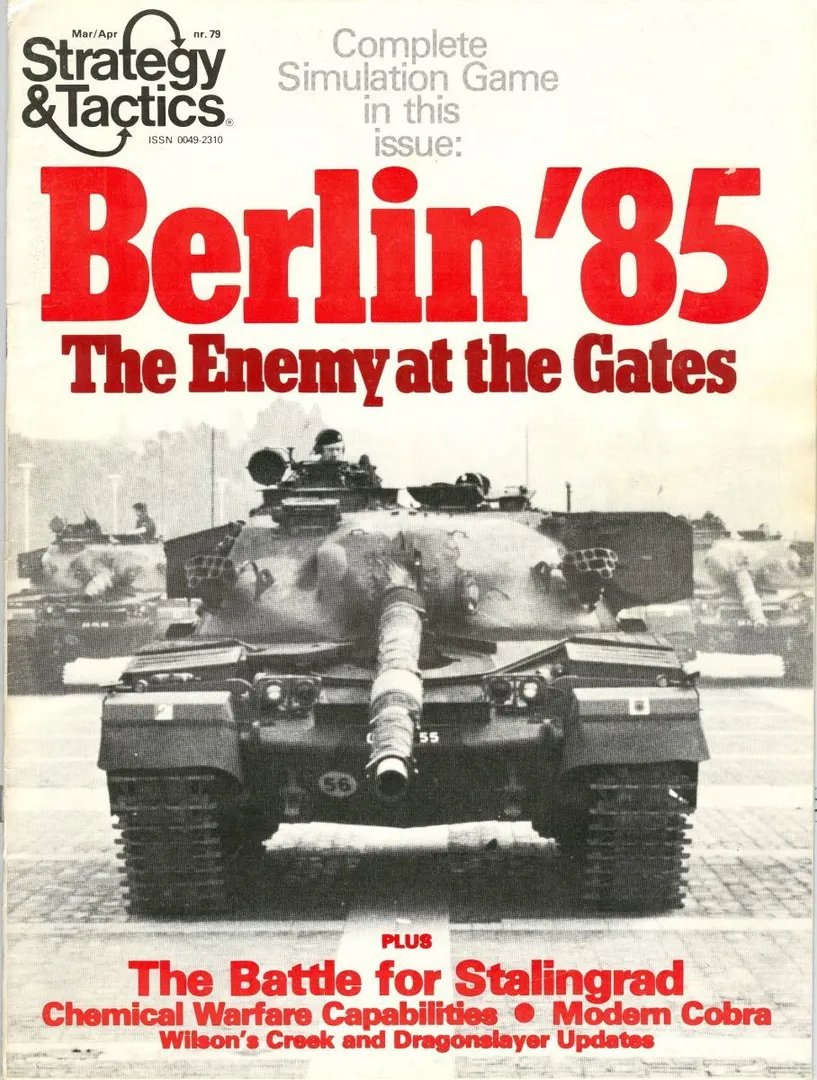
Berlin '85: The Enemy at the Gates
- 2 graczy
- 180 min
- Złożoność 2,8/5
- 1980
1978
Pomoc w zasadach gry The Next War: Modern Conflict in Europe
Zrozumiałe wyjaśnienia tur, efektów kart i spornych sytuacji z odnośnikami do oficjalnych źródeł i zapisaną historią pytań.
Dla 2 graczy
Co chcesz wiedzieć?
Odpowiedzi pochodzą z oficjalnej instrukcji, ze stroną do sprawdzenia.
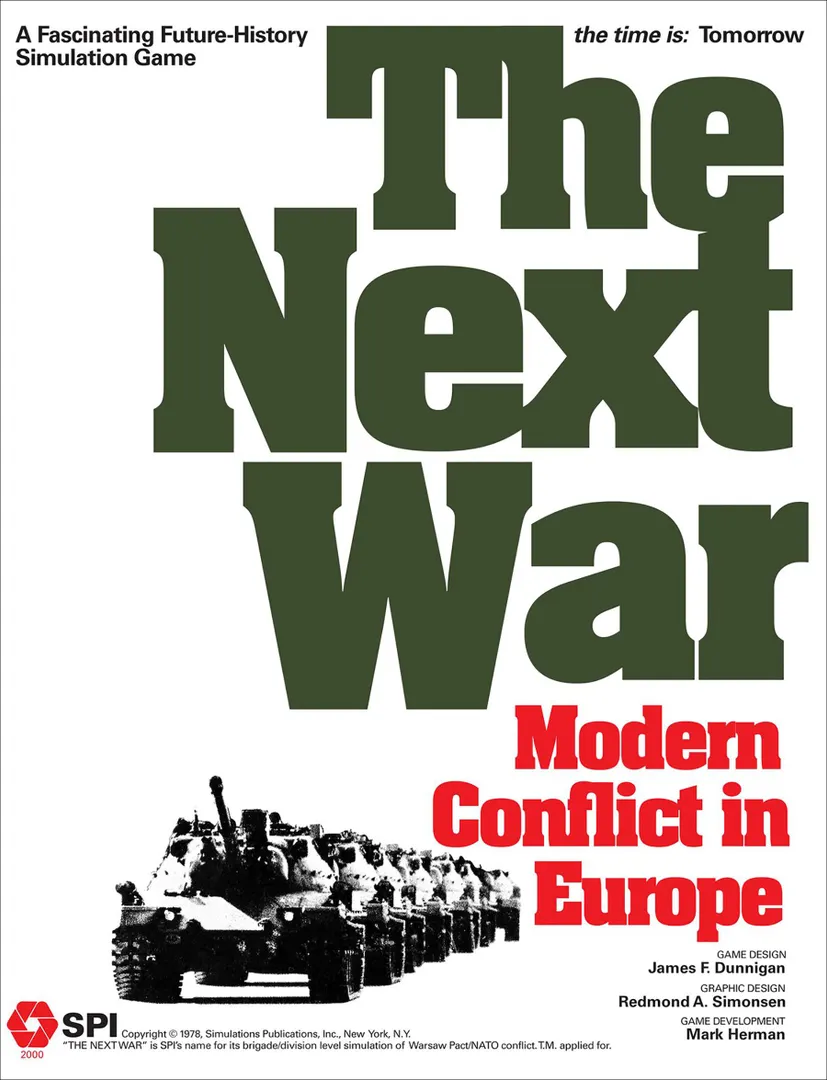
The Next War: Modern Conflict in Europe to gra planszowa wydana w 1978 roku dla 2 graczy, z rozgrywką trwającą 360 minut i dla osób od 14 lat. Projekt gry: Jim Dunnigan i Mark Herman. Główne mechaniki: Dice Rolling, Hexagon Grid i Simulation.





Po angielsku
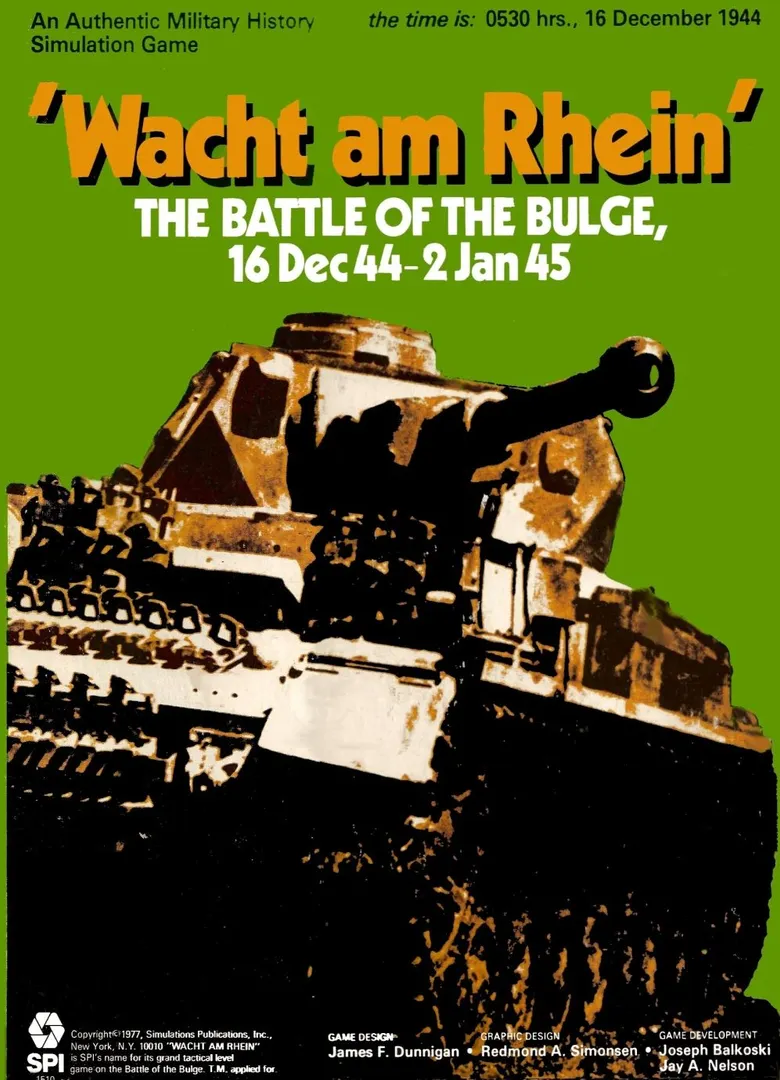
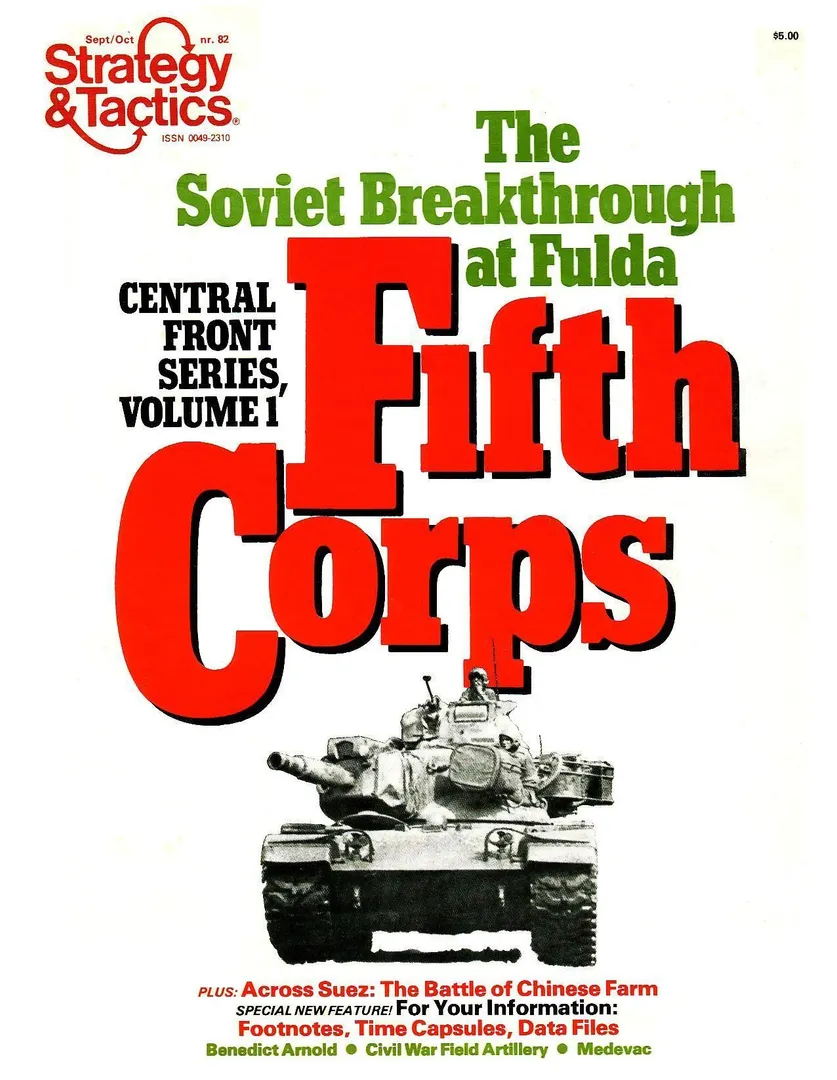
The Next War is a brigade/divisional level simulation of a Soviet-led Warsaw Pact invasion of the central European front of NATO in the late 1970's. The three maps cover the area from the far north of Denmark, through Germany and Austria to the industrial heartland of Italy. The standard rules constitute the fast game, and contain all the rules necessary to play "The Next War" land game - a complete game that can be played independently. The most notable mechanic is the combination of combat within the movement of land units, with the ability of units to greatly exceed the basic movement allowance at increased risk of fatigue/attrition. Optional rules cover weather, supply, chemical/nuclear warfare, air and naval operations, airborne/airmobile and amphibious operations, helicopters and special forces, and electronic warfare and add can considerably to the record keeping and playing time. The campaign game covers the first 60 days after mobilization in three basic scenarios, Sudden War, Spring Maneuvers, Tension. The differences between these three concern the timing of the outbreak of war and the resultant state of readiness of the respective forces. Due to the large number of optional rules, however, the players may in fact choose from a vast array of possible Campaign Game situations. Six smaller scenarios depict smaller areas of operations over briefer periods of time in the regions of Berlin, Vienna, The Baltic, Fulda, North German Plains, and the Main Front (Fulda + North German Plains). The game components: three 22" x 35" map sheets plus one 6" x 8" and one 10" x 12" map extensions, 2400 die-cut 1/2" counters, one 32 page rules book, one 40 page Scenarios and Situation Briefing book, two identical 4 page Charts & Tables folders, and one 17" x 22" Air Allocation Display.
Według katalogu The Next War: Modern Conflict in Europe obsługuje 2 graczy. To liczba graczy podana przez wydawcę, więc gra jest zaprojektowana dokładnie dla takiej liczby uczestników. Warianty dla grup innej wielkości, jeśli w ogóle istnieją, opisano w instrukcji twojego wydania; sprawdź ją uważnie, zanim przygotujesz inną konfigurację stołu.
Podany czas rozgrywki w The Next War: Modern Conflict in Europe wynosi 360 minut. To szacunek wydawcy dla pełnej partii. Rzeczywisty czas zależy od grupy, liczby graczy i znajomości zasad: pierwsze partie zwykle trwają dłużej, a doświadczone grupy kończą szybciej. Przygotowanie gry i tłumaczenie zasad nie są wliczone w ten szacunek.
Katalog podaje dla The Next War: Modern Conflict in Europe wiek od 14 lat. To zalecenie wydawcy, które uwzględnia wymagania dotyczące czytania, złożoność zasad i drobne elementy, a nie tylko tematykę. Młodsi gracze często mogą dołączyć z pomocą dorosłego; sprawdź zalecenie wiekowe swojego wydania i weź pod uwagę doświadczenie grupy z grami planszowymi.
The Next War: Modern Conflict in Europe ma ocenę złożoności 4,2 na 5 według graczy BoardGameGeek, co czyni ją grą ciężką. Ocena pokazuje, ile znajomości zasad, planowania i podejmowania decyzji wymaga typowa rozgrywka. Cięższe gry wymagają dłuższego pierwszego tłumaczenia, dlatego przed wieczorem z grami warto skorzystać z przewodnika przygotowania.
The Next War: Modern Conflict in Europe należy do tych kategorii: Wargame i Modern Warfare. Główne mechaniki to Dice Rolling, Hexagon Grid i Simulation. Kategorie opisują temat i świat gry, a mechaniki to, co gracze faktycznie robią w swojej turze. Każda mechanika prowadzi do strony katalogu z podobnymi grami, co pomaga znaleźć coś porównywalnego na kolejny wieczór.
Autorzy wymienieni przy The Next War: Modern Conflict in Europe to: Jim Dunnigan i Mark Herman. Te informacje pochodzą z opublikowanych danych gry i wskazują osoby odpowiedzialne za jej projekt, a nie ilustratorów czy wydawców. Strony autorów w MeepleRules zbierają inne tytuły tych samych twórców, co pomaga, gdy gra ci się podoba i szukasz podobnych.
W katalogu The Next War: Modern Conflict in Europe figuruje jako gra podstawowa. Można w nią grać samodzielnie, korzystając z elementów z pudełka, bez żadnego innego tytułu. Dodatki, jeśli istnieją, dokładają nową zawartość lub zasady i są wymienione w katalogu osobno, z odnośnikiem do tej gry podstawowej.