
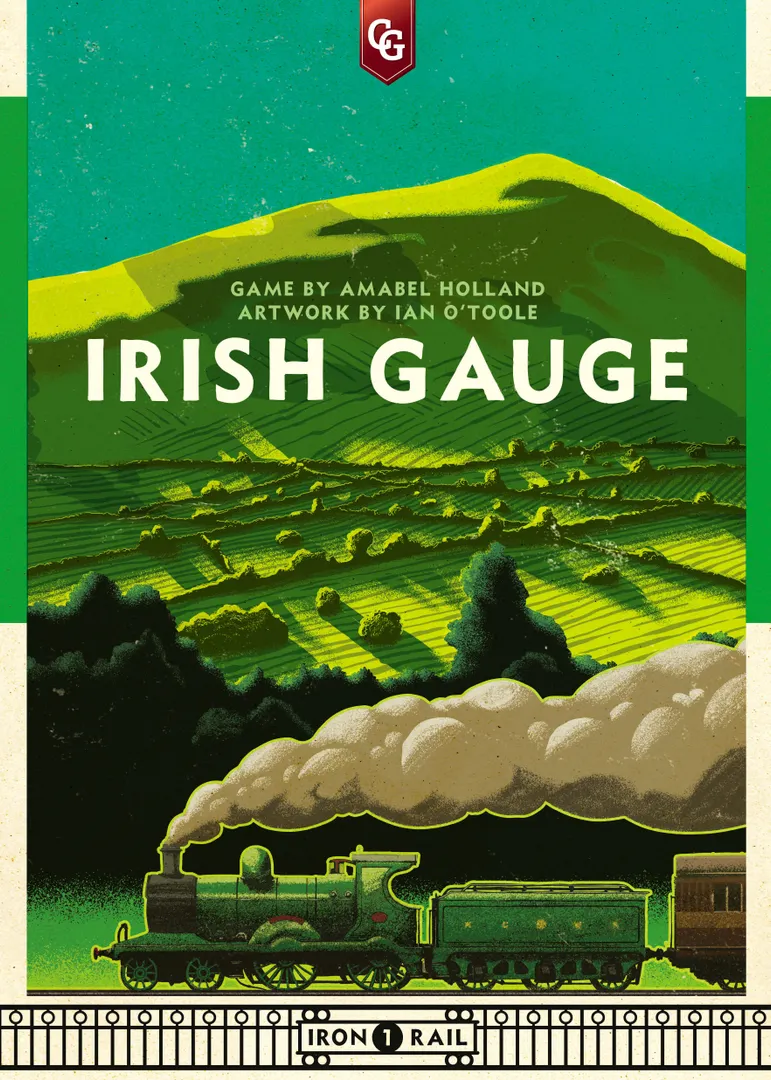
- Pozycja w BGG
- BGG #1254
- Ocena BGG
- 7,2
Irish Gauge
- 3–5 graczy
- 60 min
- Złożoność 2,3/5
- 2014
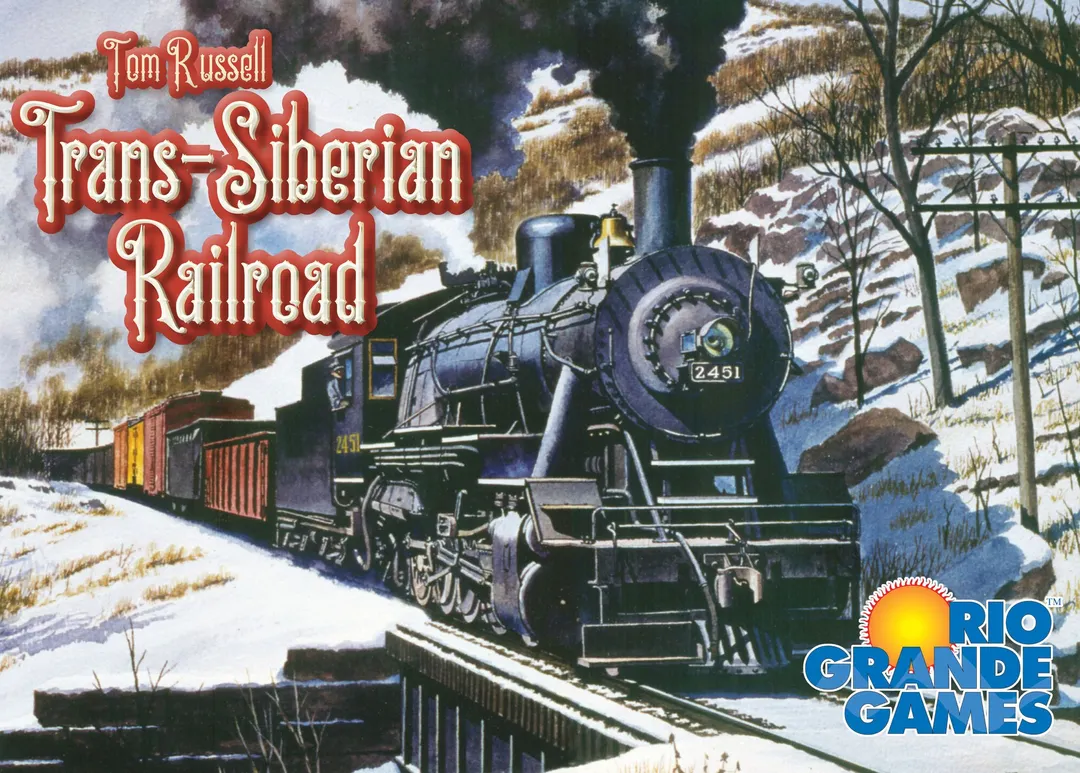
2015
Pomoc w zasadach gry Trans-Siberian Railroad
Zrozumiałe wyjaśnienia tur, efektów kart i spornych sytuacji z odnośnikami do oficjalnych źródeł i zapisaną historią pytań.
Dla 3 graczy
Co chcesz wiedzieć?
Odpowiedzi pochodzą z oficjalnej instrukcji, ze stroną do sprawdzenia.
Trans-Siberian Railroad to gra planszowa wydana w 2015 roku dla 3–5 graczy, z rozgrywką trwającą 60 minut i dla osób od 14 lat. Projekt gry: Amabel Holland. Główne mechaniki: Auction / Bidding, Income i Network and Route Building.



Po angielsku
In the late 19th century, the Russian government commissioned a project to build a railroad that would connect Moscow in the west with Vladivostok in the east. You and your fellow players are buying shares of the railroads that will expand across Russia, attempting to enrich yourself along the way and not lose control of railroads to the Tsar! Trans-Siberian Railroad — originally one of three titles in Winsome Games' 2015 Essen Set — shares some similarities with older Winsome titles in which the rail network is already printed on the board and individual railroad companies purchase the links that are printed. Four companies (Red, Blue, Green, and Yellow) are active at the start of the game, with one share of each company auctioned to the players in that order to provide starting capital for those companies. The winner of each auction chooses an unoccupied link from Moscow to another city; each link has a value listed in it, and the railroad's initial income is set to this value. Once the game begins, on a turn you can: • Buy stock, specifically one share in one company or one share each in two different companies; the money paid is placed in the railroad's treasury, and when you buy two shares, you must pay an additional $4 to one of the two companies. • Build links, specifically one link, two links, or one external link (i.e. to a location on Russia's border) — but only if the railroad is public (i.e., at least two shares have been purchased) and you hold at least as many shares in that railroad as each other player. (If a railroad has had only one share of stock purchased, it is private.) You can build direct links that extend that railroad's existing network or you can jump another railroad's links to extend the network in a more convoluted way. When you build two links, the second link must start from where the first link built that turn ended. The cost to build an internal link is $4, and if you jump another railroad's links, you must pay $2 to that railroad's treasury; the cost to build an external link is $8, plus $4 to each railroad per link you jumped. When you build a link, the value of that link — 2-6 — is added to that railroad's income. Each time a railroad's income marker lands on or passes over a black mark on the income track, that railroad's stock value is bumped up one level. Additionally, when you build two links or an external link, that railroad's stock value is bumped up one level. • Pass. When you buy two shares, build two links, build one external link, or pass, you move the timing token one space on the timing track. When this token reaches the end of the track, each railroad pays dividends to those who hold stock in it, with the railroad's income being divided by the number of shares owned, then rounded up. If Red has $11 income and you own two shares and another player owns one, then you receive $8 and the other player $4. After paying out dividends (and re-setting the timing token to 0), if any railroad has a stock value of at least $48, then the game enters phase 2, which starts with an auction for a share of the black and white railroads, with the winner of each auction claiming any one non-external link for that railroad that connects to another railroad's network. In phase 2, once you pay out dividends, you check to see whether any railroad's stock value is equal to or less than the nationalization value, which starts at $24 and which increases after each dividend payout in phase 1, each failure to auction a railroad's share at the start of either phase, and each dividend payout in phase 2 during which no railroads were nationalized. If a railroad's stock value is less than the nationalization value, that railroad is nationalized, with each owner of its stock getting one final dividend payment, after which all shares of that railroad are removed from the game. Once all nationalizations are complete, the nationalization value is increased three levels for each nationalization that took place. If at this point any railroad has a stock value of $75 or the dividend marker has reached the end of the track, the game ends; otherwise players continue playing. When the game ends, players sum the value of the stocks they hold in public railroads with any money they have on hand. The player with the most money wins.
Według katalogu Trans-Siberian Railroad obsługuje od 3 do 5 graczy. Ten zakres odpowiada liczbie graczy podanej przez wydawcę, więc grę można przygotować dla dowolnej grupy w jego granicach. Przygotowanie, niektóre zasady i punktacja mogą jednak różnić się w zależności od liczby graczy; dokładną konfigurację sprawdź w instrukcji swojego wydania.
Podany czas rozgrywki w Trans-Siberian Railroad wynosi 60 minut. To szacunek wydawcy dla pełnej partii. Rzeczywisty czas zależy od grupy, liczby graczy i znajomości zasad: pierwsze partie zwykle trwają dłużej, a doświadczone grupy kończą szybciej. Przygotowanie gry i tłumaczenie zasad nie są wliczone w ten szacunek.
Katalog podaje dla Trans-Siberian Railroad wiek od 14 lat. To zalecenie wydawcy, które uwzględnia wymagania dotyczące czytania, złożoność zasad i drobne elementy, a nie tylko tematykę. Młodsi gracze często mogą dołączyć z pomocą dorosłego; sprawdź zalecenie wiekowe swojego wydania i weź pod uwagę doświadczenie grupy z grami planszowymi.
Trans-Siberian Railroad ma ocenę złożoności 2,9 na 5 według graczy BoardGameGeek, co czyni ją grą raczej lekką. Ocena pokazuje, ile znajomości zasad, planowania i podejmowania decyzji wymaga typowa rozgrywka. Cięższe gry wymagają dłuższego pierwszego tłumaczenia, dlatego przed wieczorem z grami warto skorzystać z przewodnika przygotowania.
Trans-Siberian Railroad należy do tych kategorii: Economic i Trains. Główne mechaniki to Auction / Bidding, Income i Network and Route Building. Kategorie opisują temat i świat gry, a mechaniki to, co gracze faktycznie robią w swojej turze. Każda mechanika prowadzi do strony katalogu z podobnymi grami, co pomaga znaleźć coś porównywalnego na kolejny wieczór.
Autorzy wymienieni przy Trans-Siberian Railroad to: Amabel Holland. Te informacje pochodzą z opublikowanych danych gry i wskazują osoby odpowiedzialne za jej projekt, a nie ilustratorów czy wydawców. Strony autorów w MeepleRules zbierają inne tytuły tych samych twórców, co pomaga, gdy gra ci się podoba i szukasz podobnych.
W katalogu Trans-Siberian Railroad figuruje jako gra podstawowa. Można w nią grać samodzielnie, korzystając z elementów z pudełka, bez żadnego innego tytułu. Dodatki, jeśli istnieją, dokładają nową zawartość lub zasady i są wymienione w katalogu osobno, z odnośnikiem do tej gry podstawowej.