
- Pozycja w BGG
- BGG #8731
- Ocena BGG
- 6,7
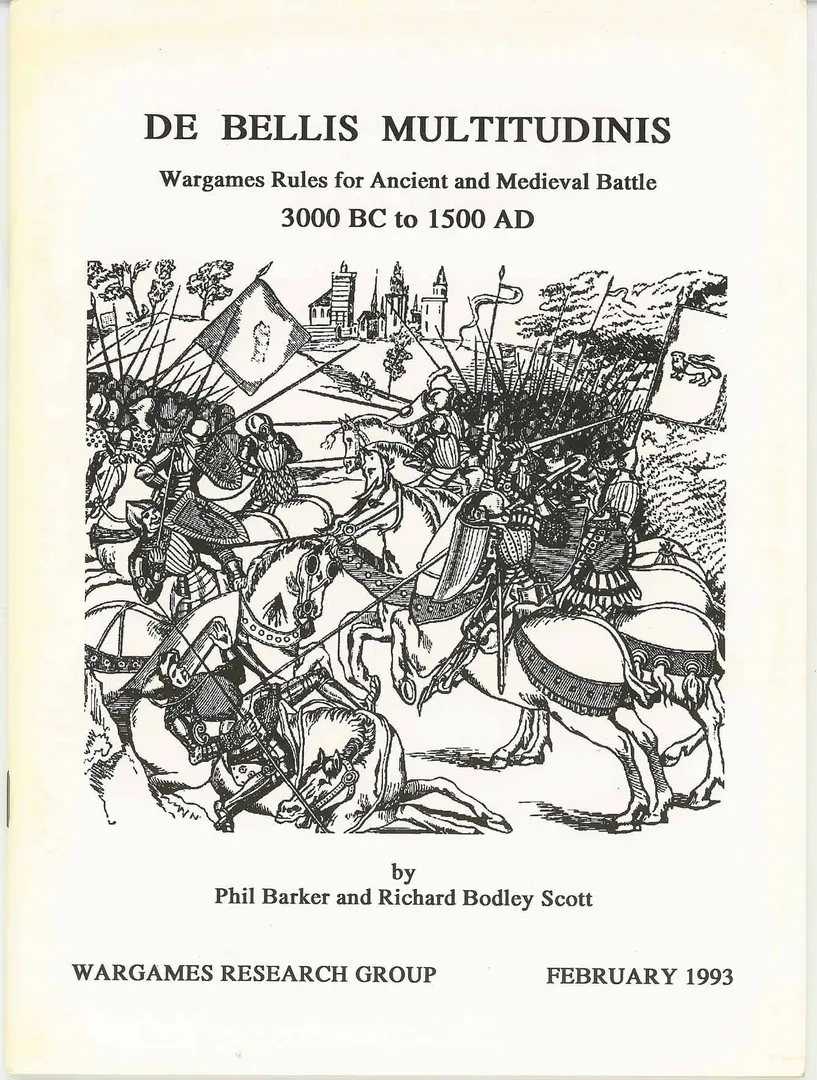
De Bellis Multitudinis: Wargames Rules for Ancient and Medieval Battles – 3000 BC to 1500 AD
- 2 graczy
- 180 min
- Złożoność 3,9/5
- 1993
1971
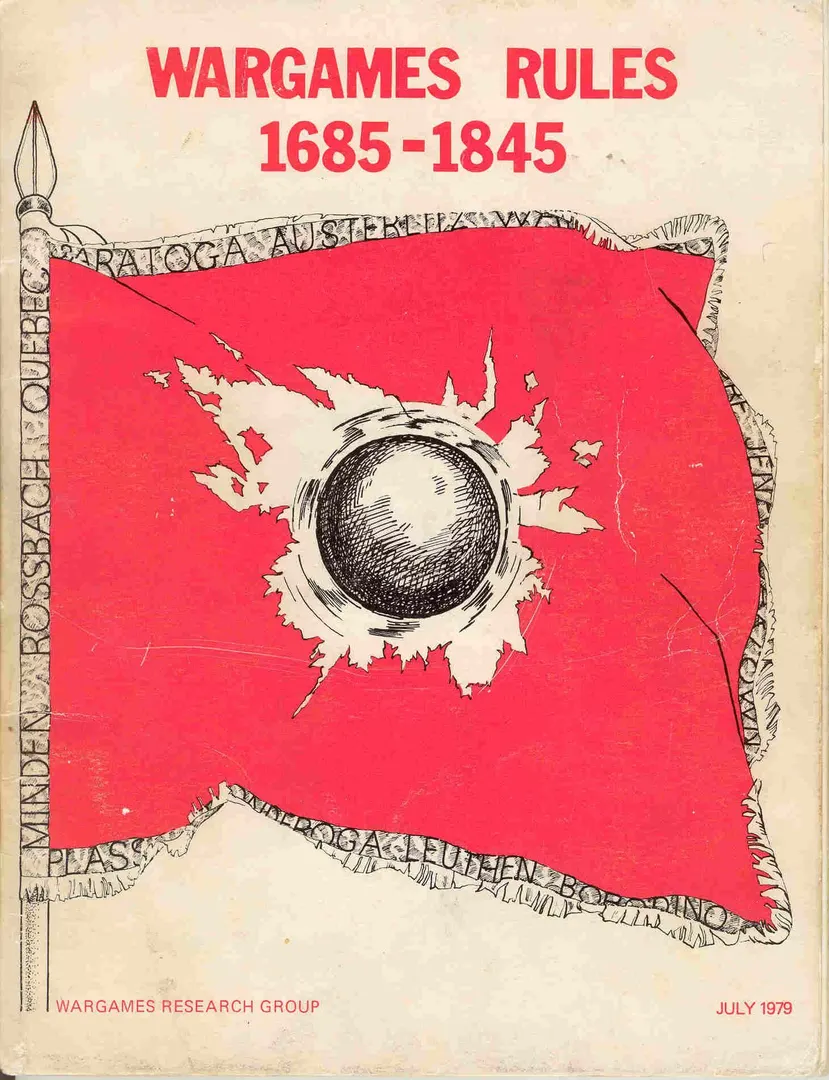
Pomoc w zasadach gry Wargames Rules 1685-1845
Zrozumiałe wyjaśnienia tur, efektów kart i spornych sytuacji z odnośnikami do oficjalnych źródeł i zapisaną historią pytań.
Dla 2 graczy
Co chcesz wiedzieć?
Odpowiedzi pochodzą z oficjalnej instrukcji, ze stroną do sprawdzenia.
Wargames Rules 1685-1845 to gra planszowa wydana w 1971 roku dla 2–6 graczy, z rozgrywką trwającą 60–240 minut i dla osób od 12 lat. Projekt gry: Philip C. Barker. Główne mechaniki: Dice Rolling, Variable Set-up i Simulation.
Po angielsku
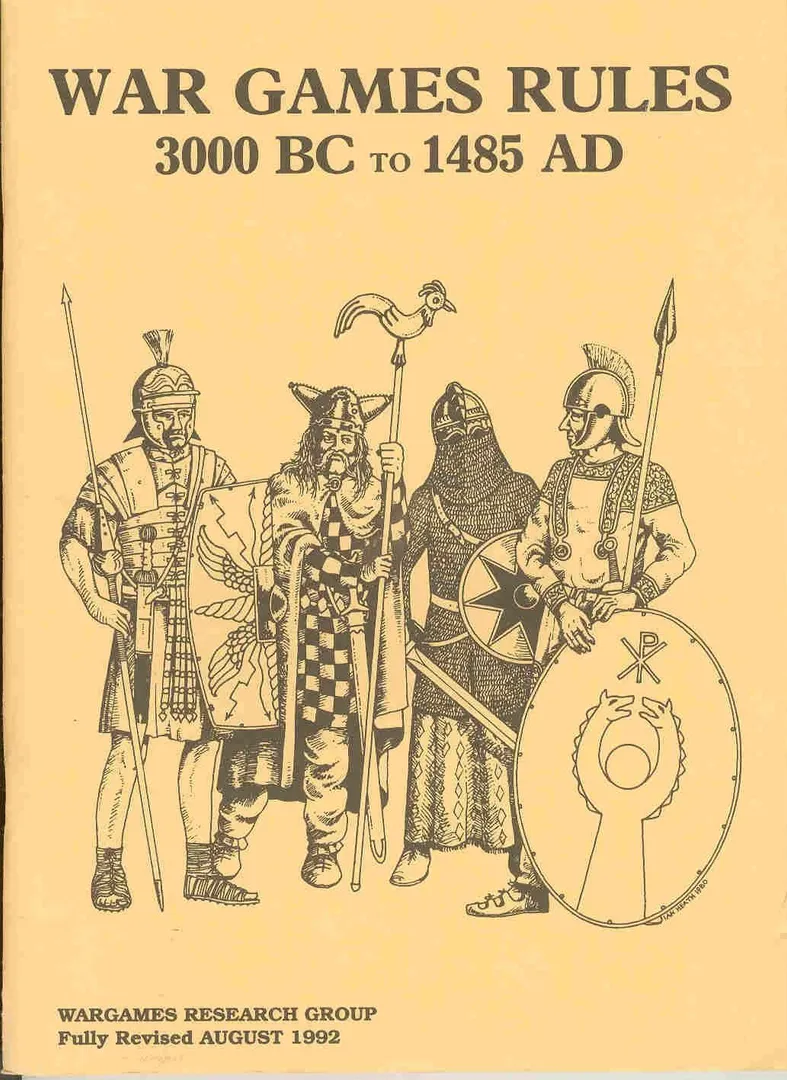
Wargame Rules 1685-1845 (for Miniatures) The biggest innovation is the introduction of an alternate play system developed from that used in our very successful World War Two and Modern Armour rules instead of the more recently fashionable simultaneous movement in accordance with detailed written orders. Its main advantages are that it saves the time spent order writing, eliminates disputes of the “If you do that, I do this” type, simplifies interactions between the two sides, places less strain on players honesty, and largely makes umpires redundant once players know the rules thoroughly. The special sequence of play we have devised eliminates the inherent disadvantages of more primitive alternate move as opposed to alternate play systems. The more innovatory a set of rules is, the more unfamiliar it is going to be to the players. Please dont write in blaming us for departing from accepted methods; after all it WAS us that invented them. It is possible that in spite of our testing anomalies will start to rear their ugly heads as more and trickier players become involved. If so, they will be cleared up with one of our usual free amendment sheets. We are in any case happy to answer rule queries enclosing a stamped addressed envelope or international reply coupon. Our test games have made us confident that the new system is a winner and will probably become the war-gaming standard. Let us know how you get on. By adopting alternate play and an apparently simple “bang you’re dead” combat system, we have been able to introduce a little more complexity elsewhere in the rules without overburdening the poor players brain too much. This includes a new method of choosing terrain based on actual battlefields, a command structure incorporating brigades, divisions and if you like corps, consideration of the personalities of individual generals, and a simple but very effective method of discouraging telepathic heroism and ensuring realistic conduct by units, including provision for differing national characteristics. The net effect is to give the player the sort of variety in his games previously provided only by ancient wargaming. We take the RESEARCH part of our name seriously, and it is because of this that you will find many of the basic assumptions in our former set have been changed. In particular, study of contemporary drill books in the Ministry of Defense library has convinced us that the movement rates specified by us (and universally copied by our competitors) were wildly out. This led to changes in ground and time scale that were ultimately of great benefit to the rules. We must also mention Brigadier B.P. Hughes whose two recent books made an excellent starting point for reconsidering the whole question of weapon lethality under combat conditions. The extension of our period back to 1685 enables us to take in all Marlborough’s battles, starting with Sedgemoor, the Highland rebellions, and the early battles of Frederick the Great, in addition to the Seven Years War, War of American Independence, campaigns in India, French Revolutionary and Napoleonic Wars covered in the previous set. Although at first chary of such an extension, our research discovered no good technical, tactical or organizational reason against it. However, had we gone earlier than 1685 we would have had to contend with half armoured infantry and three quarter armoured cavalry, while to go later than 1845 sees the introduction of the Colt revolver by Texas Rangers in the Mexican War, of the Dreyse breech loading rifle by Prussia against Denmark and of the expanding bullet muzzle loading rifle, together with the replacement of rigid lines by thick skirmish formations, at first unofficial but later recognized by authority. As for the beginner, do not be overawed by the size of this rule book and its apparent complexity. Start by reading right through it, but remember that all the basics are incorporated in the single thick reminder sheet enclosed, so that you will only need to turn to the main rules when you need fuller explanation. You will find that after a while you can increasingly rely on your memory instead of even the reminder sheet. Try and keep it simple for your first few games, bringing in more troops and more ambitious tactics when you get the feel. The rules are designed so that actual historical tactics will be the ones that work best.
Według katalogu Wargames Rules 1685-1845 obsługuje od 2 do 6 graczy. Ten zakres odpowiada liczbie graczy podanej przez wydawcę, więc grę można przygotować dla dowolnej grupy w jego granicach. Przygotowanie, niektóre zasady i punktacja mogą jednak różnić się w zależności od liczby graczy; dokładną konfigurację sprawdź w instrukcji swojego wydania.
Podany czas rozgrywki w Wargames Rules 1685-1845 wynosi 60–240 minut. To szacunek wydawcy dla pełnej partii. Rzeczywisty czas zależy od grupy, liczby graczy i znajomości zasad: pierwsze partie zwykle trwają dłużej, a doświadczone grupy kończą szybciej. Przygotowanie gry i tłumaczenie zasad nie są wliczone w ten szacunek.
Katalog podaje dla Wargames Rules 1685-1845 wiek od 12 lat. To zalecenie wydawcy, które uwzględnia wymagania dotyczące czytania, złożoność zasad i drobne elementy, a nie tylko tematykę. Młodsi gracze często mogą dołączyć z pomocą dorosłego; sprawdź zalecenie wiekowe swojego wydania i weź pod uwagę doświadczenie grupy z grami planszowymi.
Wargames Rules 1685-1845 ma ocenę złożoności 3,2 na 5 według graczy BoardGameGeek, co czyni ją grą średnio złożoną. Ocena pokazuje, ile znajomości zasad, planowania i podejmowania decyzji wymaga typowa rozgrywka. Cięższe gry wymagają dłuższego pierwszego tłumaczenia, dlatego przed wieczorem z grami warto skorzystać z przewodnika przygotowania.
Wargames Rules 1685-1845 należy do tych kategorii: Wargame, Napoleonic i Miniatures. Główne mechaniki to Dice Rolling, Variable Set-up i Simulation. Kategorie opisują temat i świat gry, a mechaniki to, co gracze faktycznie robią w swojej turze. Każda mechanika prowadzi do strony katalogu z podobnymi grami, co pomaga znaleźć coś porównywalnego na kolejny wieczór.
Autorzy wymienieni przy Wargames Rules 1685-1845 to: Philip C. Barker. Te informacje pochodzą z opublikowanych danych gry i wskazują osoby odpowiedzialne za jej projekt, a nie ilustratorów czy wydawców. Strony autorów w MeepleRules zbierają inne tytuły tych samych twórców, co pomaga, gdy gra ci się podoba i szukasz podobnych.
W katalogu Wargames Rules 1685-1845 figuruje jako gra podstawowa. Można w nią grać samodzielnie, korzystając z elementów z pudełka, bez żadnego innego tytułu. Dodatki, jeśli istnieją, dokładają nową zawartość lub zasady i są wymienione w katalogu osobno, z odnośnikiem do tej gry podstawowej.